
Formula details
Product Details
Overview
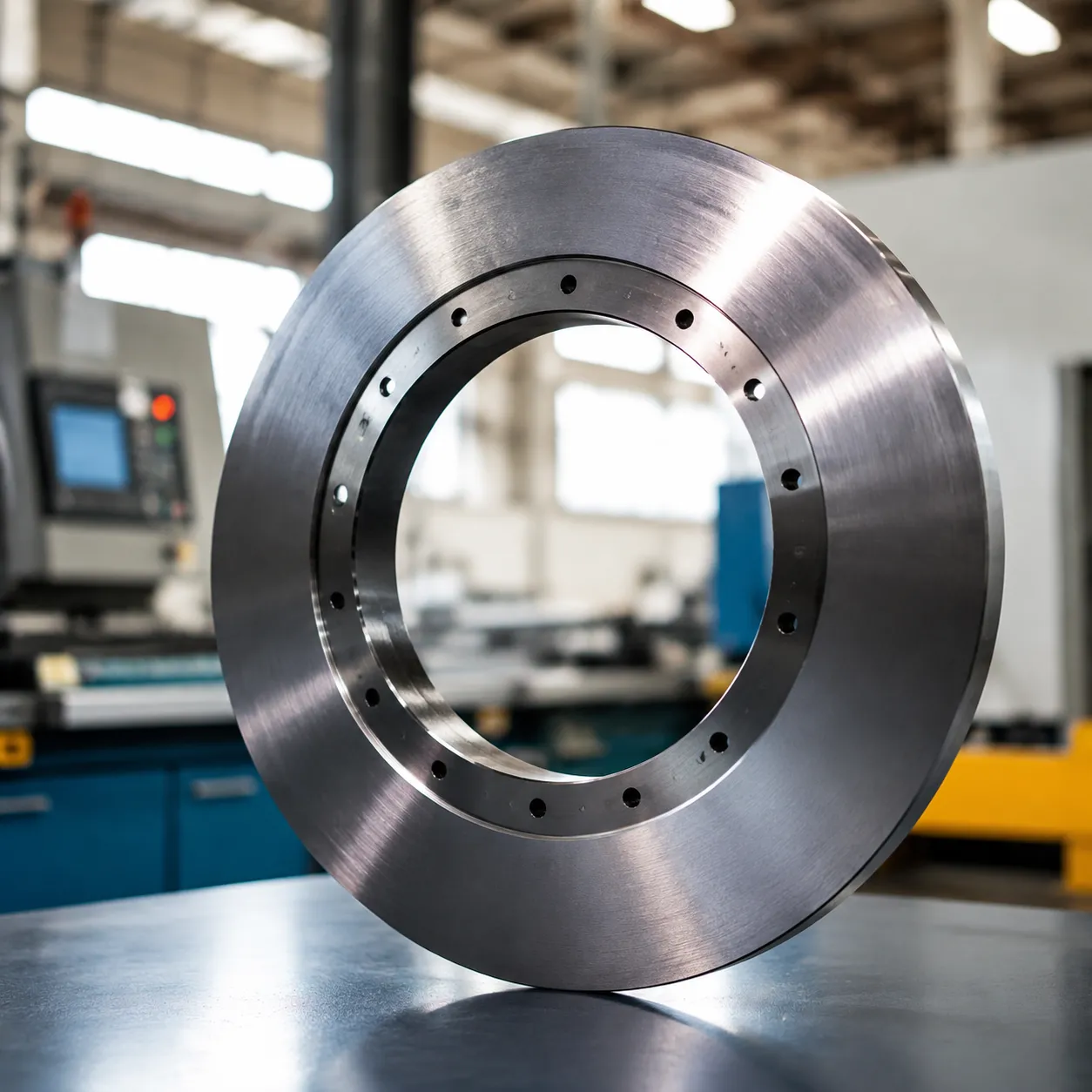
Sheet Metal Slitter Knife & High-Precision Rotary Blades
Technical Performance Metrics
- Grinding Tolerances: Standard production tolerances maintained down to ±0.002 mm, with ultra-precision grades available at ±0.001 mm.
- Surface Finish Quality: Ultra-fine surface finish reaching Ra < 0.1 µm, minimizing frictional drag and reducing edge wear during high-speed runs.
- ISO 9001 Quality Control: 100% optical and dimensional inspection under certified quality management protocols to ensure uniform thickness and flatness.
- Direct Factory Supply: Streamlined factory pricing backed by guaranteed engineering quotes delivered within 24 hours.
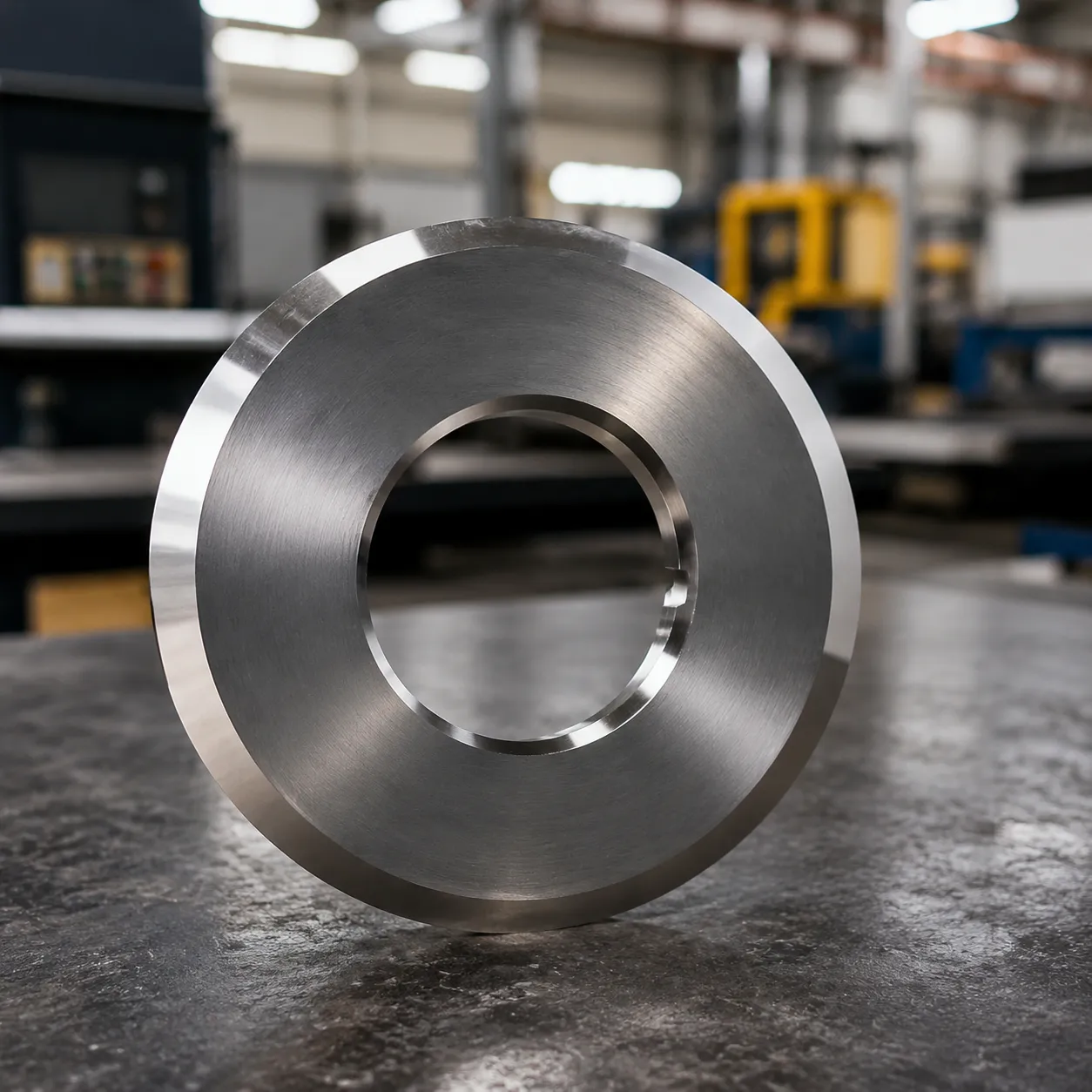
Sheet Metal Slitter Knife Specifications & Technical Tolerances
| Technical Specification | Standard Manufacturing | Ultra-Precision Grade |
|---|---|---|
| Outer Diameter (OD) | 50 mm to 680 mm | Custom OD sizes available |
| Thickness Range | 0.5 mm to 50 mm | Controlled thickness parallelism |
| Thickness Tolerance | ±0.002 mm | Down to ±0.001 mm |
| Flatness & Parallelism | Within 0.002 mm | Prevents strip camber & edge tear |
| Surface Finish (Roughness) | Ra 0.1 µm – Ra 0.2 µm | Ultra-mirror polish (Ra < 0.1 µm) |
Tightly controlled parallelism and mirror-finish polishing minimize frictional drag on the metal strip. Whether running standard slitting lines or custom-engineered special cutting components, these strict tolerances protect your arbor tooling setup and guarantee consistent edge quality on every pass.
Material Selection & Metallurgy Hardness Matrix
We match each sheet metal slitter knife to your specific coil tensile strength, gauge thickness, and operating line speed. Selecting the right metallurgical profile prevents premature edge micro-chipping, minimizes frictional friction, and maximizes production cycles between resharpening runs.
| Material Grade | Hardness Range | Metallurgy Advantage | Core Application |
|---|---|---|---|
| D2 / SKD11 Cold Work Tool Steel | 58–62 HRC | High wear resistance with deep air-hardening characteristics | General carbon steel shearing, medium-gauge coils, and standard coil slitting lines |
| S7 Shock-Resistant Steel | 54–58 HRC | Maximum impact energy absorption to resist dynamic fracturing | Heavy-gauge crop shearing, thick plate slitting, and high-impact flying shears |
| M2 / SKH51 High-Speed Steel | 62–66 HRC | Superior red hardness and edge stability under frictional heat | Continuous high-speed processing, stainless steel coils, and abrasive alloys |
| Solid & Inlaid Tungsten Carbide | 88–92 HRA | Extreme abrasion resistance extending operational service life up to 10x | Thin-gauge metal foil, silicon transformer steel, and high-precision web slitting |
Material Performance Breakdown
- General Sheet Shearing: Our D2 tool steel slitter blade options provide a reliable baseline for everyday service center processing, balancing cost efficiency with high abrasion resistance.
- Heavy Shock Operations: When processing heavy-gauge coils or operating flying shear lines, S7 tool steel absorbs heavy shear shocks without spalling or edge breakage.
- High-Speed Thermal Resistance: For high-speed lines generating elevated interface temperatures, a high-speed steel slitting knife maintains edge hardness where standard tool steels soften.
- Thin-Gauge Precision: When cutting ultra-thin metals or silicon steel, evaluate our carbide vs steel tool alloys to choose the right edge profile. For specialized thin-strip slitting, we supply carbide foil slitter blades engineered to prevent edge burrs and maintain tight tolerance control over extended runs.
Cutting Performance & Operational Advantages
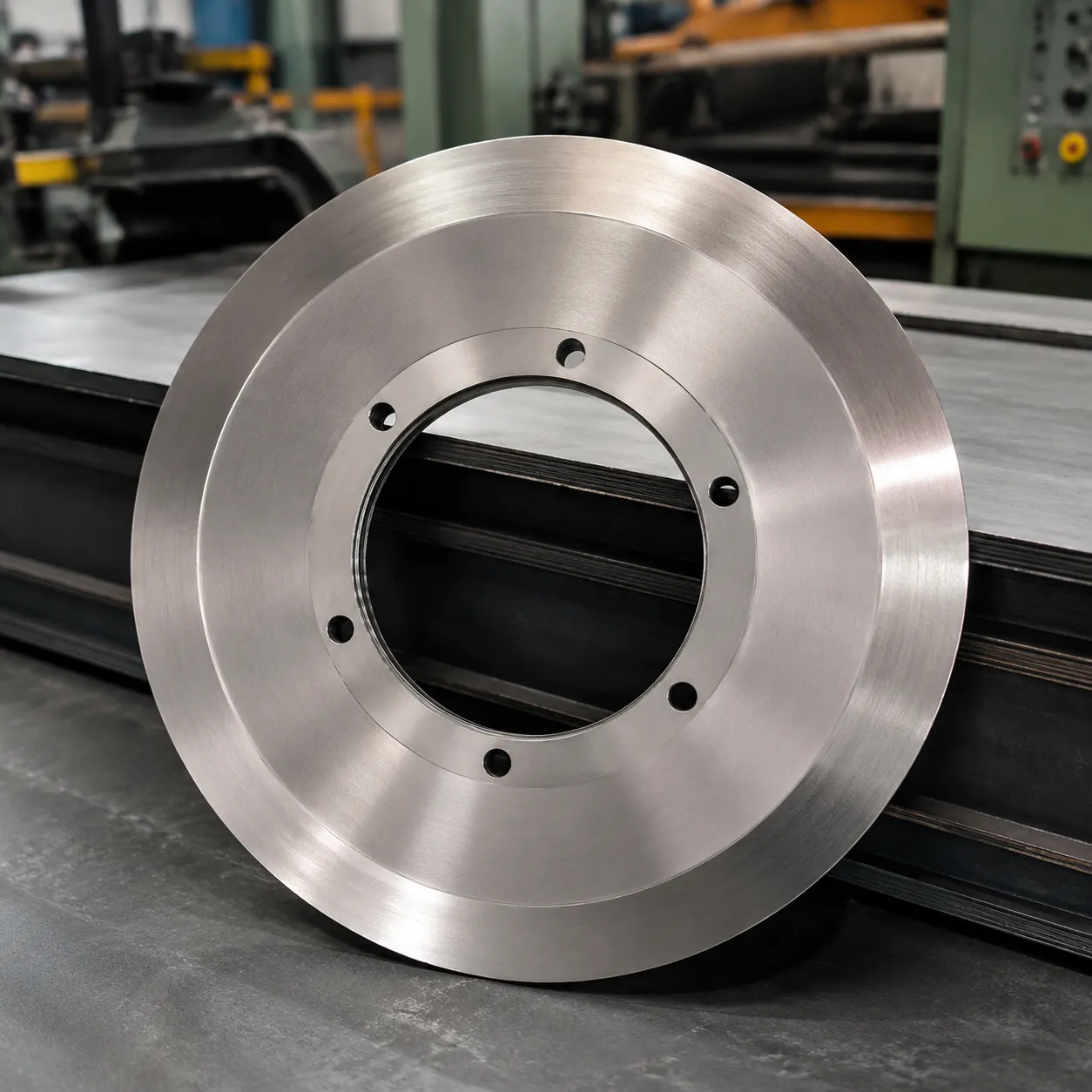
We engineer every sheet metal slitter knife to deliver continuous precision, reducing line stops and maximizing material yield on your coil processing lines.
- Burr-Free Edge Shear Quality: Optimized blade edge geometries prevent metal tearing, burrs, and strip camber. You get flat, clean edges across aluminum, stainless steel, and high-tensile carbon steel.
- Extended Service Life: Each vacuum heat-treated slitter knife undergoes deep cryogenic stress relief. This process locks in uniform carbide distribution, boosting wear resistance across long production runs.
- Minimized Line Downtime: Premium tool steel alloys and precise hardness control reduce resharpening frequency, keeping high-speed shear slitting knives running longer without edge degradation.
- Optional Wear Coatings: We apply TiN, TiAlN, or DLC (Diamond-Like Carbon) coatings to lower frictional drag, prevent galling, and eliminate metal pickup when processing soft or sticky alloys.
Industry Applications & OEM Machinery Compatibility
Primary Processing Sectors
- Steel Coil Service Centers: High-volume slitting of hot-rolled, cold-rolled, and galvanized carbon steel coils.
- Automotive Stamping Plants: Precision cutting of advanced high-strength steel (AHSS) and lightweight aluminum body panels.
- Foil & Non-Ferrous Processing: Burr-free shearing of thin-gauge aluminum, copper, brass, and stainless steel foils.
- Electrical & Transformer Manufacturing: Ultra-precise edge slitting of grain-oriented silicon steel to protect magnetic performance and prevent micro-burrs.
Direct OEM Blade Replacements
Tooling mismatches lead to arbor runout and premature wear. We supply direct-fit metal slitting blades built to standard original equipment specifications through our specialized custom OEM tooling services and precision OEM industrial knives manufacturing setups.
| Feature | Engineering Capability |
|---|---|
| Arbor Fit Specs | Precision-ground bore tolerances down to H6/h6 fit |
| Drive Configurations | Single keyways, double keyways, pin holes, and custom locking slots |
| Machine Compatibility | Custom fabricated for all major international coil slitting equipment brands |
Complete Slitting Line Tooling Setup
A high-performance sheet metal slitter knife setup requires precise support components to maintain cutting stability. We engineer complete steel slitter tooling packages alongside our circular slitter knives to eliminate arbor play, prevent edge camber, and protect delicate coil surfaces.
- Precision Slitter Spacers: Ground to matching thickness tolerances for exact knife alignment and consistent horizontal clearance.
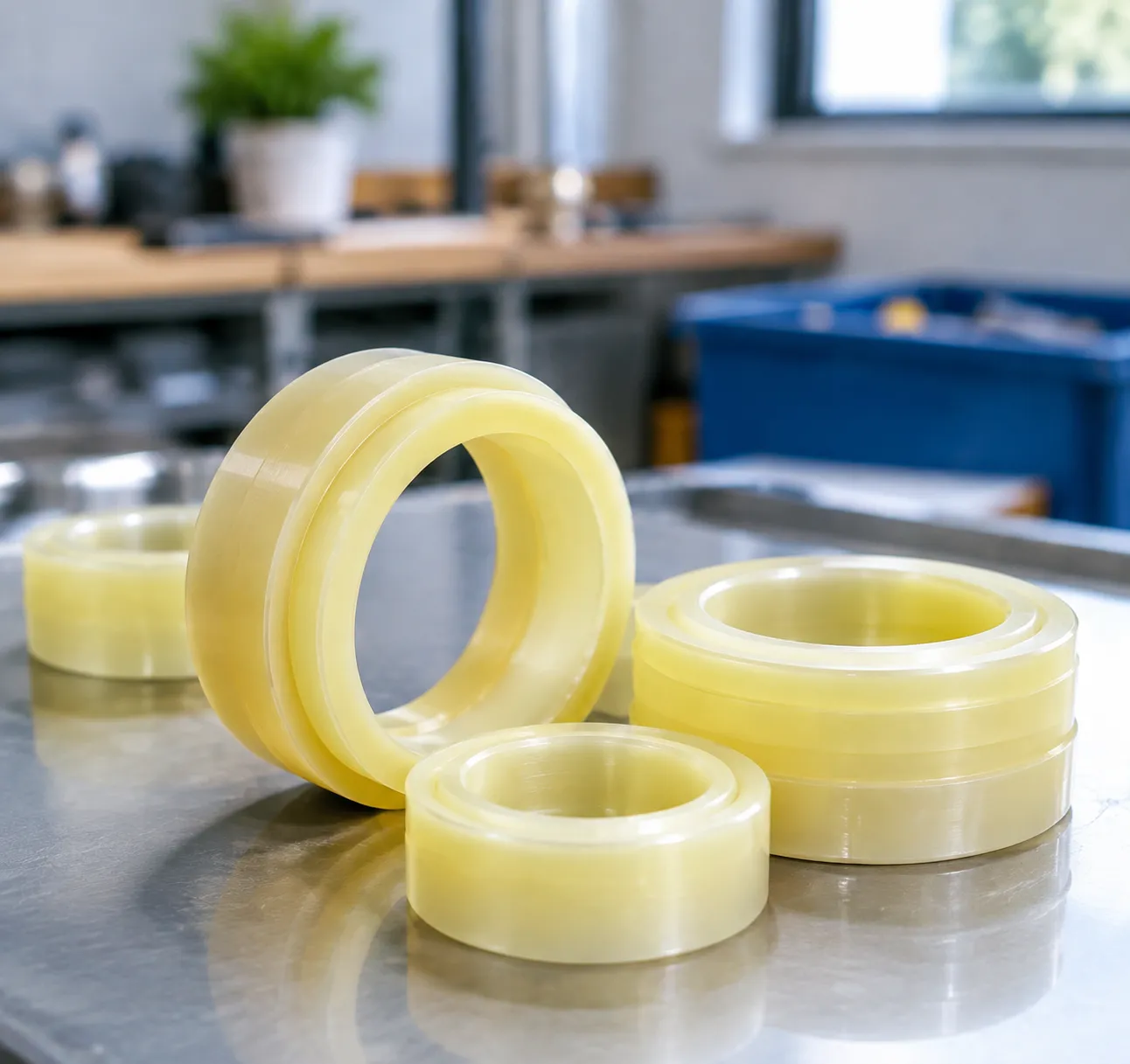
- Rubber-Bonded Stripper Rings: Made with oil- and wear-resistant elastomers to guarantee smooth sheet ejection without surface marring.
- Separator Discs: Precision-machined for clean, reliable strip separation at the rewinder.
Custom OEM Engineering & Reverse Engineering
Blueprint & CAD Production
We produce custom rotary slitting knives directly from your technical specifications:
Digital File Compatibility: Direct manufacturing from 2D DWG/DXF blueprints and 3D CAD models (STEP, IGES, SolidWorks)
Arbor & Drive Profiles: Precision-ground bore sizes with custom single keyways, double keyways, or locking pin hole configurations
Complete Line Tooling: Matched knife sets designed for seamless integration with existing spacers and stripper rings
CMM Reverse Engineering
When blueprints are unavailable, we recreate high-performance metal slitting blades directly from worn sample tooling. Through our custom engineering services, we inspect and optimize original blade designs:
3D CMM Inspection: High-precision coordinate measuring scans original geometry to capture exact dimensions down to micron-level accuracy
Metallurgical Analysis: Spectrographic testing determines alloy chemistry, core hardness, and heat treat structure to upgrade part life
Wear Correction: Reverse-engineered profiles correct baseline design flaws to prevent premature edge chipping or strip camber
Tailored Edge Bevels & Profiles
Blade geometry directly controls shear quality. We customize bevel angles and land widths based on your material thickness and tensile strength:
Single & Double Bevels: Profiled specifically for light-gauge foil, medium carbon coil, or heavy-gauge plate shearing
Material-Specific Geometries: Optimized rake angles engineered for aluminum, stainless steel, or high-grade silicon electrical steel
3-Step Ordering Workflow
We streamline procurement so you get custom tooling back on your arbor with minimal line downtime.
| Step | Action | Technical Scope |
|---|---|---|
| 1. Spec Submission | Blueprint & Drawing Upload | Send your CAD models, DWG blueprints, or target sample specs. |
| 2. Engineering Review | 24-Hour Quote Delivery | We evaluate tolerances, application speed, and material fit, issuing direct pricing within 24 hours. |
| 3. Precision Production | CNC Grinding & Shipping | 5-axis CNC grinding, ISO 9001 CMM quality verification, and worldwide shipping. |
Sheet Metal Slitter Knife FAQs
D2 Tool Steel vs. Tungsten Carbide for Slitting
D2 cold work tool steel (58–62 HRC) is the industry standard for medium-to-heavy gauge carbon steel shearing due to its high toughness and shock resistance. However, for continuous high-speed slitting of thin-gauge foil, copper, or silicon steel, upgrading to a tungsten carbide slitter knife extends edge life up to 10 times longer. To select the ideal alloy matrix for your specific line speed and material hardness, check out our comprehensive guide on how to choose slitting knives.
Ultra-Precision Tolerance & Line Speed Limits
Our ultra-precision grade (±0.001 mm thickness tolerance, Ra < 0.1 µm surface finish) is engineered for high-speed slitting lines operating above 300 m/min and running thin-gauge sheet metal (0.05 mm to 1.5 mm). Tight thickness parallelism stops edge camber, strip weave, and width variation before they start.
Maintenance & Resharpening Lifecycle
A premium rotary sheet metal slitter knife supports 3 to 5 regrinds over its service life, depending on edge wear and material gauge. We recommend removing 0.05 mm to 0.10 mm per grinding cycle using flood-cooled precision grinding equipment to preserve the original vacuum heat treatment and prevent thermal stress micro-cracks.