
Durable Rubber Processing Blades & Knives for Abrasive Material Cutting
Engineered to withstand dense carbon black formulations, synthetic elastomers, and steel-reinforced tire carcasses. Sharkcutting delivers high-toughness, mirror-ground machine knives that eliminate adhesive build-up, prevent edge chipping, and significantly extend production runs.
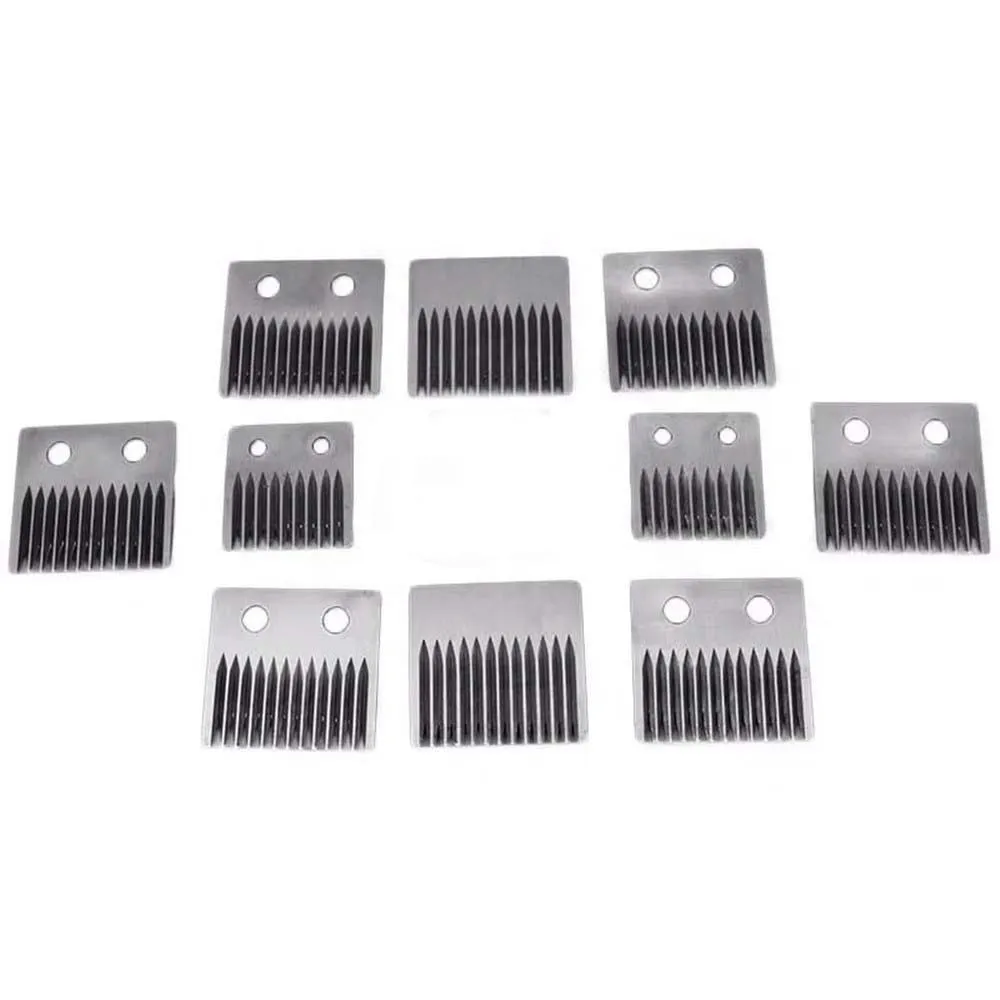
Material Process Breakthroughs for Abrasive and High-Toughness Rubber Cutting
Modern industrial rubber processing demands continuous operational endurance from machine knives. Advanced compound formulations featuring heavy carbon black loadings, micro-silica fillers, vulcanization accelerators, and embedded steel carcass wires rapidly degrade standard industrial blades. Sharkcutting engineers high-wear steel and carbide rubber cutting knives designed to eliminate friction heat, prevent gumming, and dramatically extend service life during demanding shear slitting operations.
Select Rubber Compound Formulation
Explore customized material compositions, hardness profiles, and edge surface treatments tailored for specific elastomer processing conditions.
D2 Cold-Work Tool Steel
High-carbon, high-chromium tool steel offering balanced shock resistance and edge retentive strength during sticky uncured rubber cutting.
Super Mirror Polish Finish
Ultra-smooth mirror grinding with surface roughness under Ra 0.05 microns prevents gumming adhesion and reduces lateral friction drag.
60 to 62 HRC
Deep cryogenic vacuum quenching maximizes wear resistance while preserving core structural ductility against deformation.
Severe Operational Pain Points in Industrial Rubber Shear Cutting
Industrial elastomers present unique mechanical challenges during shear processing. Identifying specific wear mechanisms allows Sharkcutting to engineer specialized cutting blades that maintain dimensional accuracy and sharp cutting profiles over long production runs.
Rapid Edge Dulling from Abrasive Fillers
Micro-abrasive carbon black and silica particles cause severe frictional wear, rapidly dulling conventional tool steel edges and producing burred cut edges.
Thermal Buildup and Rubber Gumming
Friction heat accumulation softens tacky compounds, leading to gumming on blade faces, excessive torque loading, and inconsistent cut geometry.
Edge Chipping on Reinforced Carcasses
Steel cords and high-tensile fabric belts inside conveyor stock and tires create intense point impacts, causing brittle fractures on standard industrial knives.
Engineering Breakthroughs in High-Wear Steel and Carbide
Through precision mechanical processing and rigorous thermal treatment control, Sharkcutting provides specialized carbide rubber blades, durable recycling blades, and alloy tooling that resolve core manufacturing bottlenecks.
- ✓Micro-Clean Vacuum Metallurgy: Refined carbide grain dispersion eliminates internal structural flaws, preventing premature edge cracking.
- ✓Blade Precision Grinding: Advanced CNC grinding achieves strict runout tolerances down to ±0.002 mm for seamless machine integration.
- ✓Anti-Friction Surface Coatings: Advanced physical vapor deposition and PTFE surface treatments eliminate rubber adhesion and heat buildup.
Metallographic Structure and Edge Micro-Geometry
Proprietary vacuum heat treatment combined with sub-zero cryogenic processing results in extremely dense carbide distribution. This refined microstructure yields superior impact toughness and long-lasting sharpness during continuous rubber slitting.
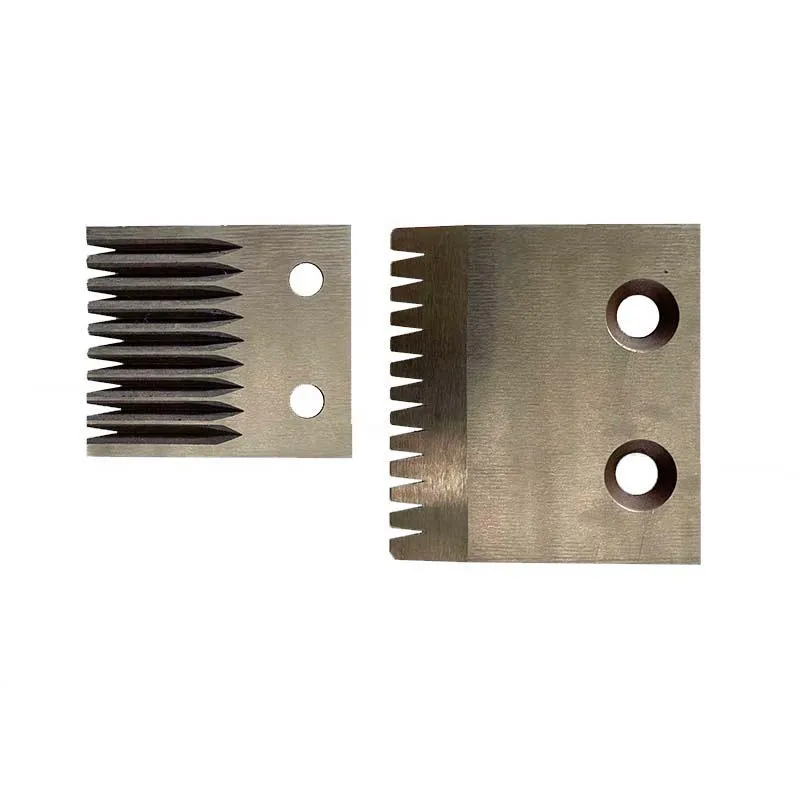
Material Performance Metrics Comparison
Quantitative benchmarking comparing standard tooling against Sharkcutting engineered alloy steel and sub-micron tungsten carbide blade configurations.
| Performance Metric | Standard Tool Steel | Sharkcutting High-Wear Steel | Sharkcutting Tungsten Carbide |
|---|---|---|---|
| Hardness Envelope | 52 to 56 HRC | 62 to 64 HRC | 65 to 68 HRC |
| Abrasive Wear Resistance | Baseline 1.0x | 2.8x Baseline | 4.5x Baseline |
| Coefficient of Friction | 0.45 Micron | 0.20 Micron | 0.12 Micron |
| Thermal Resistance Threshold | 180 degrees C | 350 degrees C | 600 degrees C |
| Blade Lifespan Before Resharpening | 24 to 48 Hours | 120 to 180 Hours | 350 Plus Hours |
| Recommended Primary Processing Target | Light Thin Rubber Sheet | Heavy Rubber Bales and Carcass Stock | High-Speed Slitting and Silica Fillers |
Specialized Blade Series for Precision Rubber Cutting
Sharkcutting engineered industrial knives deliver effective dull knife prevention and increase production uptime. Explore our full range of high-performance slitting knives, precision-fit for extrusion, calender filtering, and rubber recycling systems.
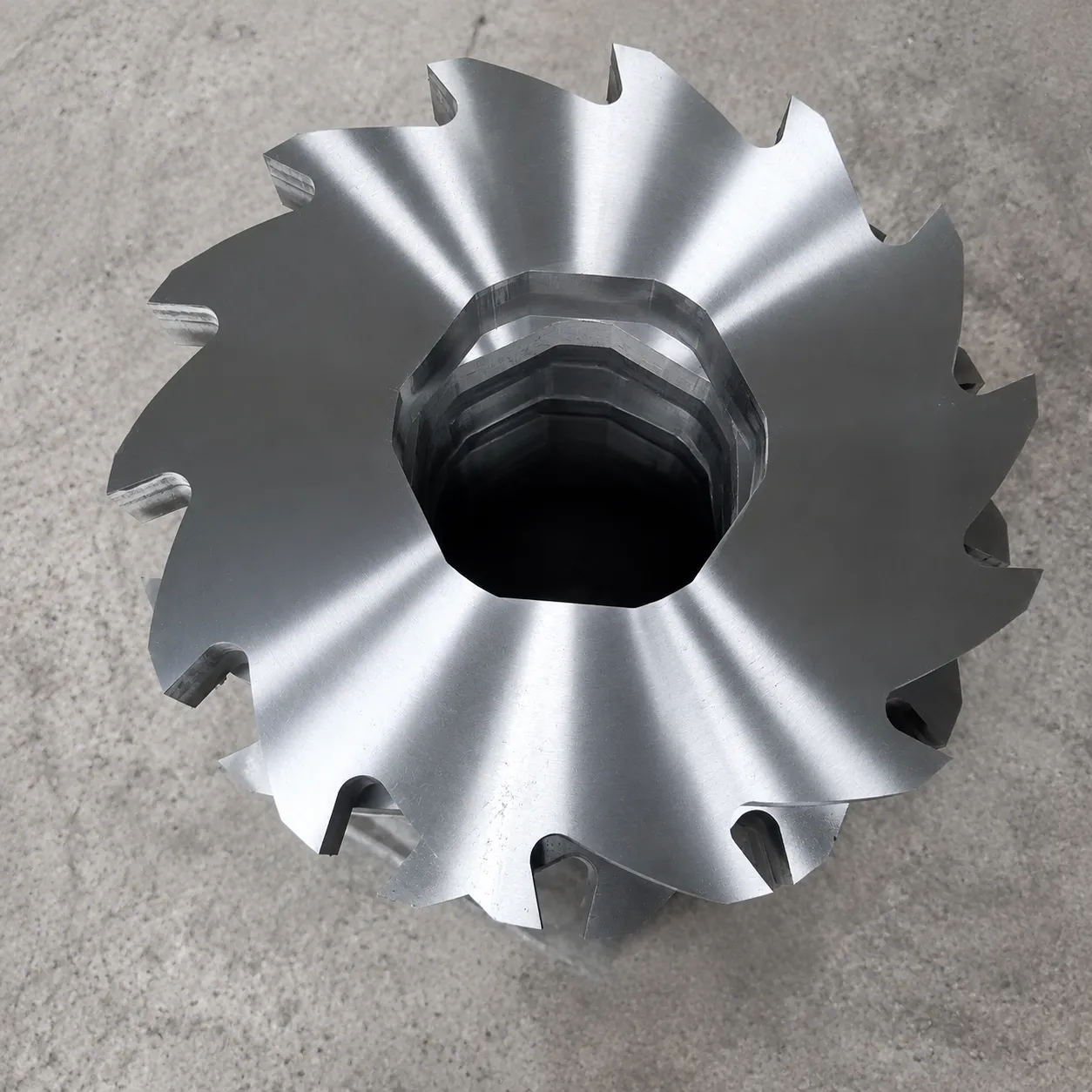
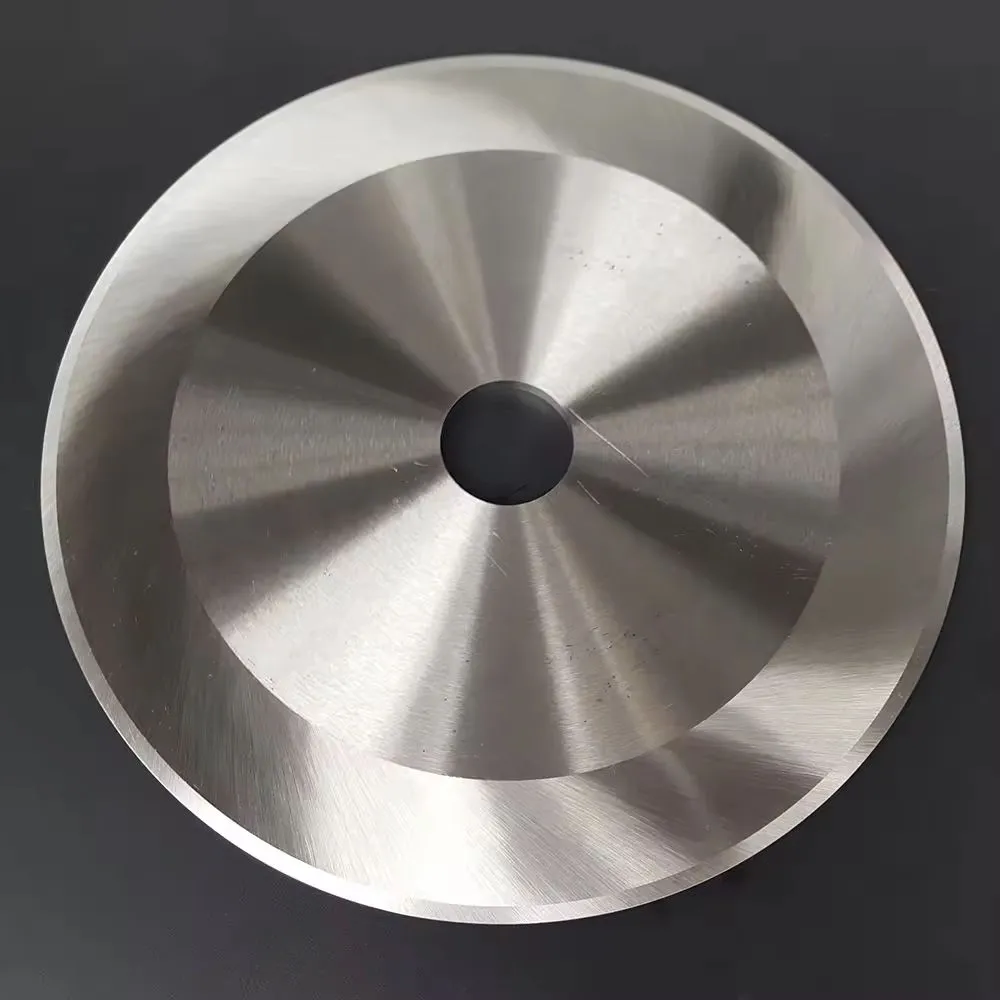 High Speed
Circular Rubber Slitter Knives
Designed for high-speed, burr-free slitting of rubber sheets, tape products, and thin rubber rolls using precision circular slitter knives.
- Ultra-clean circular rubber slitters
- Reduced friction heat & dust
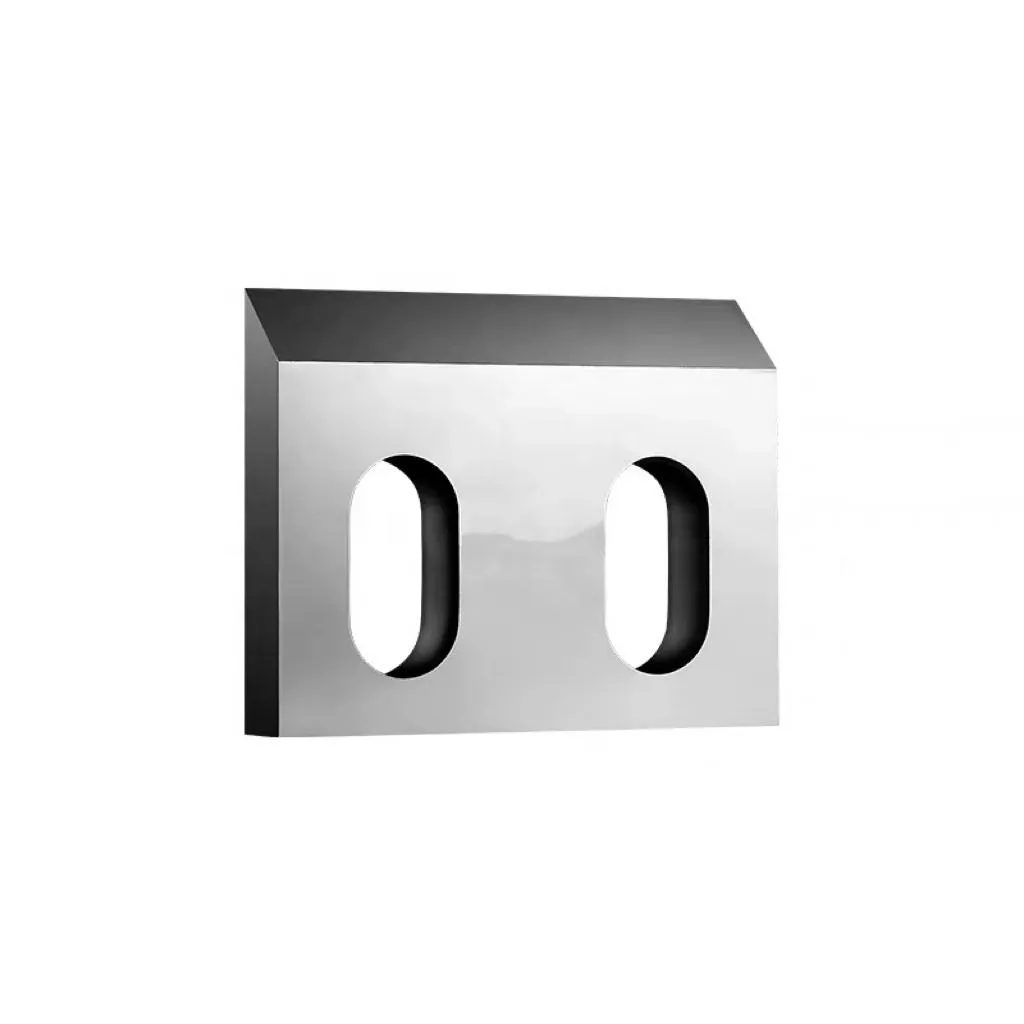 Heavy Duty
Rubber Guillotine & Shear Blades
Suitable for heavy-duty shearing of raw rubber bales, uncured rubber slabs, and thick sheets.
- Durable rubber guillotine blades
- Dull knife prevention engineering
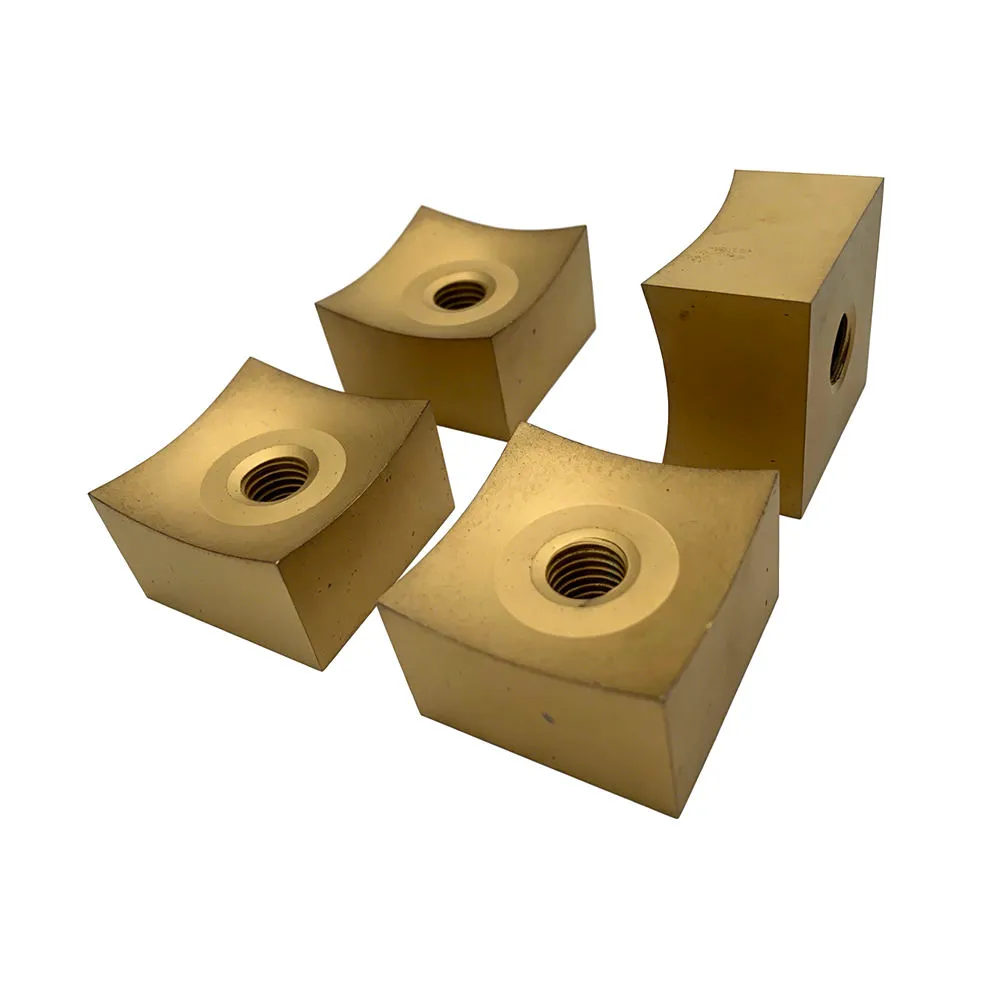
 High Endurance
Rubber Recycling & Shredder Blades
Suitable for high-strength crushing of scrap tires, waste rubber, and rubber-plastic trimmings.
- High impact & wear resistance
- Extended cutting edge retention
 Custom Fit
Custom Machine Knives
Non-standard blades precision-matched to specific automated rubber processing equipment.
- Tailored mounting configurations
- Custom geometry and bevel matching
Comprehensive Knife Seat Compatibility
Sharkcutting provides a complete industrial knife product line. We accurately match mounting dimensions and knife seat specs for extrusion, calender filtering, and recycling equipment.
High-Efficiency Cutting Applications Across the Entire Rubber Value Chain
From heavy-duty tire carcass shear operations to high-speed elastomer film slitting, Sharkcutting engineers specialized rubber processing blades designed to master demanding operating conditions. Our comprehensive line of industrial knife products is engineered to prevent heat buildup, suppress rubber gumming, and dramatically extend operational lifespan across global manufacturing and recycling facilities by combining application-tailored tool steels, ultra-hard carbide inserts, precision CNC grinding, and low-friction surface coatings.
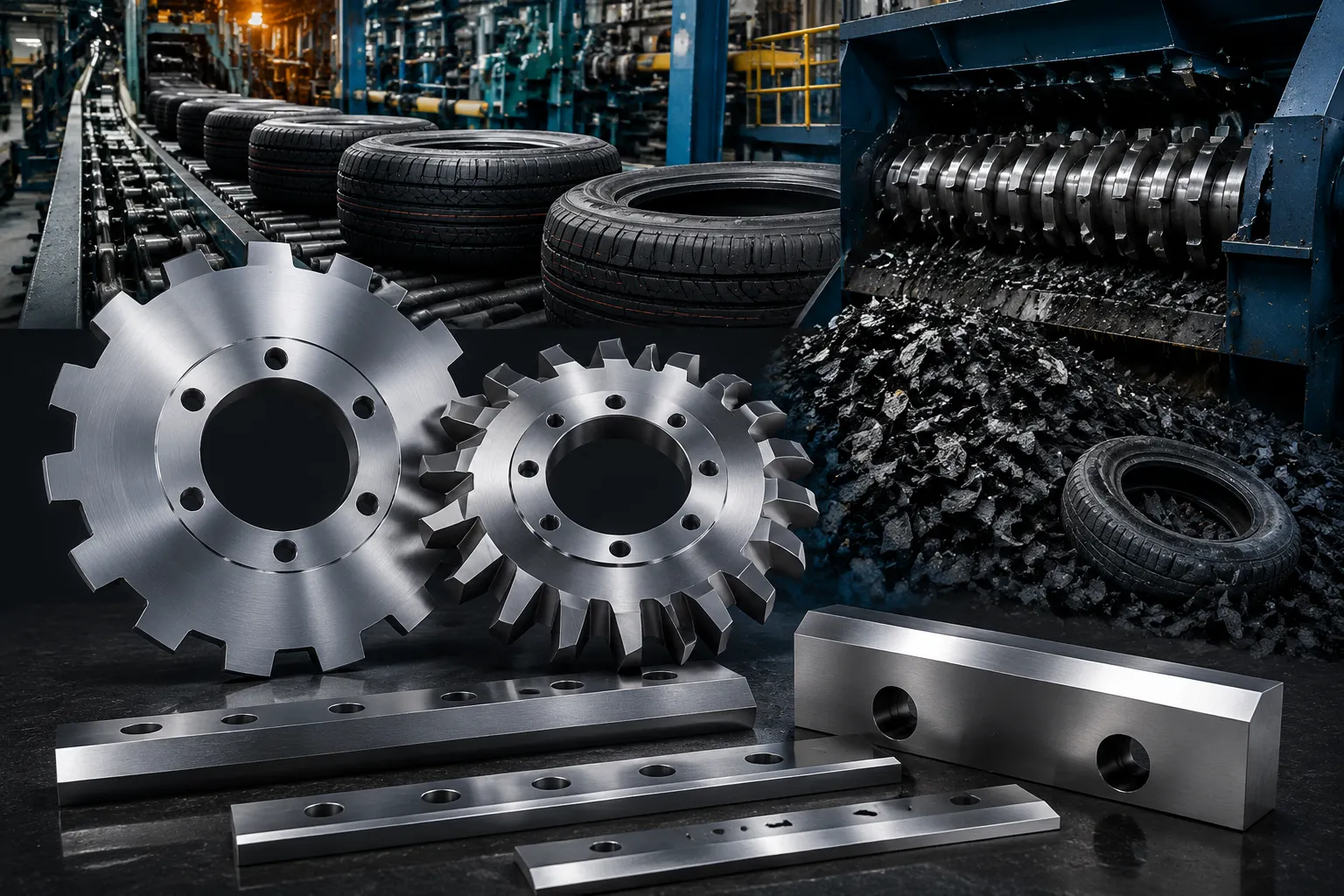
Tire Manufacturing and Scrap Rubber Recycling
Continuous shearing of steel-reinforced tire beads, dense carcasses, and highly abrasive rubber stock filled with silica or carbon black generates intense mechanical impact and thermal stress. Standard utility blades rapidly dull, chip along the edge, or create unwanted material stringing, leading to frequent line halts and elevated replacement costs.
Sharkcutting manufactures high-wear tool steel and tungsten carbide blades specifically tailored for tire recycling cutting and carcass prep lines. To overcome demanding processing environments, our durable rubber knives incorporate heavy-duty shear-slitting-knives configurations engineered with shock-resistant micro-alloy tool steel and microscopic edge bevel chamfering to absorb heavy impact loads without micro-fracturing.
- ✓ Steel Wire Reinforcement Capability: Slices through steel-belted radial carcasses cleanly without edge deformation or chipping.
- ✓ Carbon Black Abrasion Resistance: High-hardness alloy compositions resist aggressive abrasive wear from heavily filled rubber compounds.
- ✓ Clean Shear Profiles: Delivers sharp cross-sections that eliminate edge stringing and maintain uniform shredder feed size.
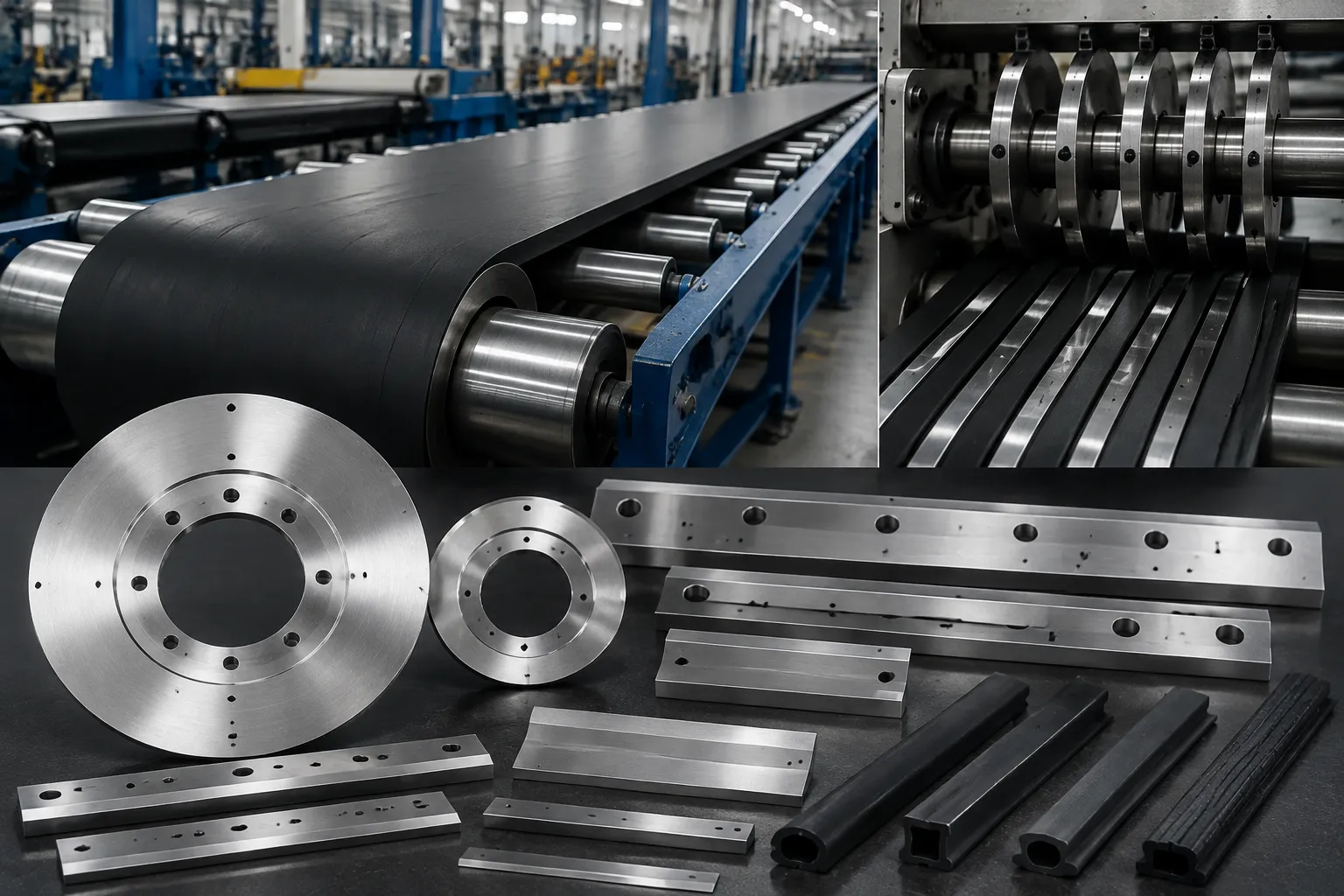
Conveyor Belt and Precision Seal Strip Production
Slitting thick multi-ply fabric conveyor belts and trimming dense extruded rubber profiles requires strict dimensional tolerances and low cutting resistance. Excessive friction during continuous high-speed runs causes temperature spikes, leading to soft rubber smearing, ply separation, or crooked cut profiles that compromise structural integrity.
Sharkcutting precision circular-slitter-knives are manufactured using multi-axis CNC grinding systems to keep axial runout and lateral parallelism within micron-level tolerances. Available in custom single-bevel and double-bevel configurations, our blades slice cleanly through synthetic fabric plies and tough vulcanized elastomers without edge dragging or ply delamination.
- ✓ Delamination Prevention: Sharp, low-drag edge geometries cut through multi-ply fabric carcasses without separating bonded layers.
- ✓ Dimensional Accuracy: Ultra-tight lateral runout control ensures straight slitting paths and exact product width consistency.
- ✓ Smooth Edge Cut: Produces burr-free sealing strip cross-sections, eliminating secondary edge finishing or deburring steps.
Elastomer Processing and Thin Film Slitting
Soft unvulcanized rubber compounds, tacky synthetic elastomers, and thin rubber film webs pose severe adhesion challenges during automated converting. Blade contact generates localized frictional heat that induces gumming, resin accumulation on the blade face, material stretching, and cross-sectional thickness distortion along the slitting path.
Super-mirror polishing combined with specialized fluoropolymer or low-friction PVD coatings minimizes sticky residue buildup and lowers drag coefficient.
Optimized rake angles and reduced bevel land widths dissipate frictional heat rapidly, preventing rubber softening and edge gumming during high-speed production runs.
Razor-sharp cutting bevels slice cleanly through soft elastomer sheets without pulling or web distortion, preserving exact roll width integrity.
Operating Condition Performance
Matching specific rubber processing operational challenges with Sharkcutting custom-engineered industrial blade solutions.
| Application Scenario | Operating Condition Challenge | Sharkcutting Blade Solution | Performance Outcome |
|---|---|---|---|
| Tire Carcass and Recycling | High steel-wire impact, severe silica and carbon black abrasion | High-toughness micro-alloy tool steel with impact-resistant bevel chamfers | Eliminates edge chipping, increases blade service life up to 300% |
| Conveyor Belt Slitting | Heavy multi-ply fabric shearing, risk of edge delamination and fraying | Precision CNC ground circular slitters with micro-parallelism control | Delivers clean, delamination-free edges with tight dimensional consistency |
| Unvulcanized Sheet Trimming | High rubber tackiness, resin sticking, thermal expansion deformation | Super-mirror polished carbide rubber blades with low-friction PVD coatings | Prevents blade gumming, lowers friction heat buildup, avoids material drag |
| Extruded Profile Cutting | High-speed guillotine impact, strict cross-sectional tolerance demands | Custom OEM guillotine blades engineered with optimized shear angles | Square cut faces, zero profile deformation, consistent seal strip fitment |
Long-Term Stable Cutting Component Support for Global Rubber Processors
Sharkcutting provides ongoing technical advice and high-performance blade supply for leading tire manufacturers, conveyor belt producers, rubber product converters, and scrap rubber recycling operations worldwide. Whether your production lines process dense uncured masterbatches or tough recycled tire carcasses, our engineering team customizes alloy compositions, bevel geometries, and surface finishes to match your specific machinery and formulation needs.
Rigorous Dimensional Precision Control and Quality Inspection
Engineered for demanding elastomeric cutting, Sharkcutting enforces strict dimensional accuracy and quality control across all high-wear steel and tungsten carbide blades to deliver long-lasting edge retention and seamless production performance.
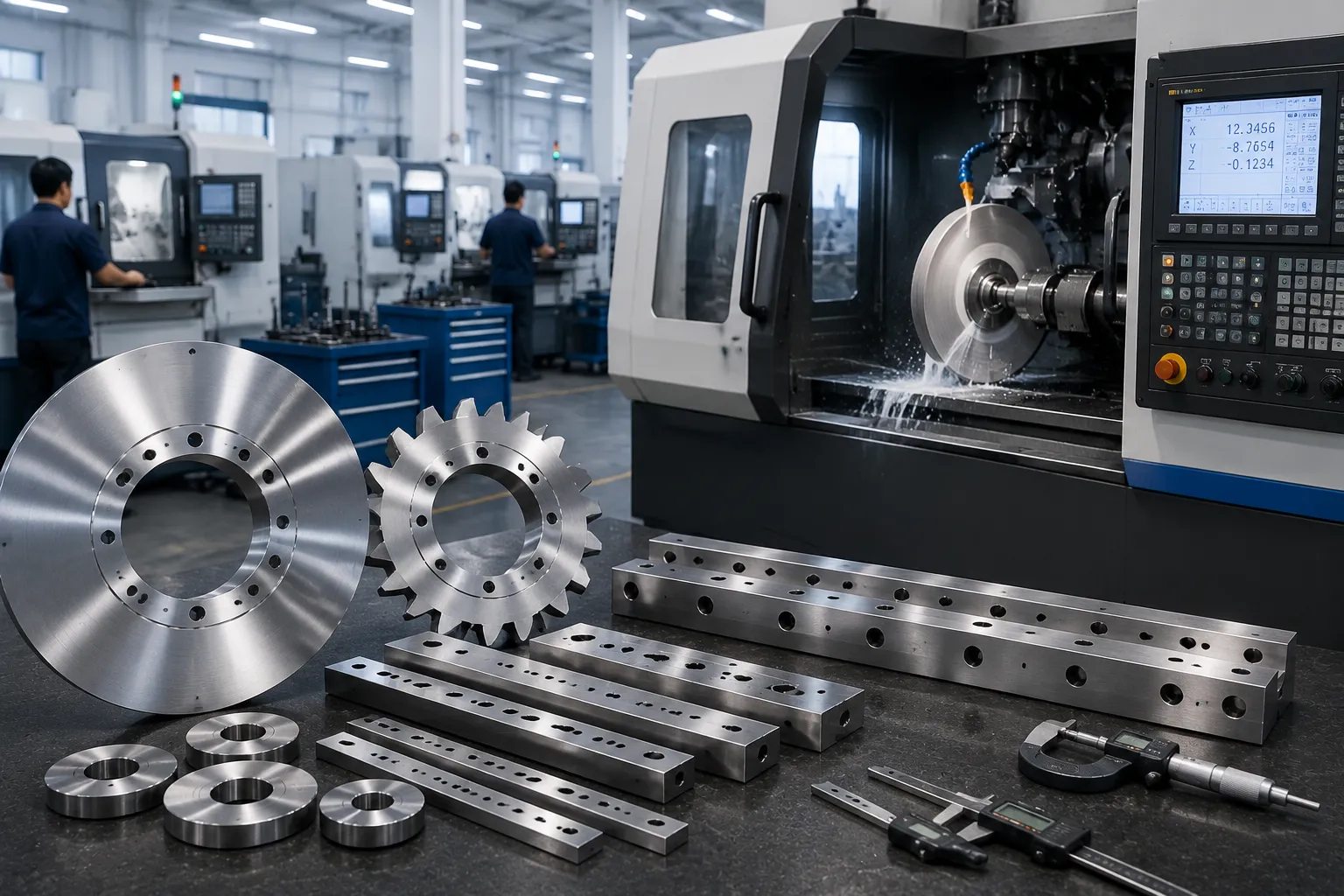
State-of-the-art CNC grinding centers delivering micron-level tolerances for industrial rubber cutting tools.
Zero-Defect Quality Assurance
Every custom rubber knife undergoes comprehensive optical and physical testing to eliminate cutting friction, reduce downtime, and guarantee continuous production efficiency.
Blade Precision Grinding
Utilizing fully automated multi-axis CNC grinding technology to maintain edge parallelism and runout within micro-tolerances (±0.002mm) for burr-free rubber slitting with high-precision slitting knives.
Full-Process Quality Inspection
Every batch undergoes optical profile projection, Rockwell hardness testing, and metallographic verification to secure reliable strength against abrasive rubber compounds, ideal for durable circular slitter knives.
Custom Rubber Knives & OEM/ODM Solutions
We engineer customized cutting blades including shear slitting knives according to OEM CAD drawings, physical samples, or specific operational requirements to resolve severe blade wear and material sticking.
Frequently Asked Questions About Rubber Processing Blades
Selecting the ideal cutting components for highly abrasive elastomers, synthetic rubber stocks, and steel-wire reinforced carcasses directly influences production throughput, edge cleanliness, and operational uptime. As a leading industrial machine knives supplier, Sharkcutting addresses core procurement and technical questions to help rubber processing plants optimize cutter lifespan and eliminate unplanned maintenance halts.
Technical Support & OEM Procurement Guidance
Rubber processing environments demand cutting tools engineered specifically for high abrasion, heavy impact, and thermal friction. Our engineering team provides tailor-made material formulations and edge treatments for every stage of production.
- Hardness engineered up to 62–68 HRC / HRA equivalents
- Operational rubber blade lifespan extended by up to 300%
- Micro-tolerance control within ±0.002 mm
- Rapid 2–3 week turnarounds on custom OEM cutting components
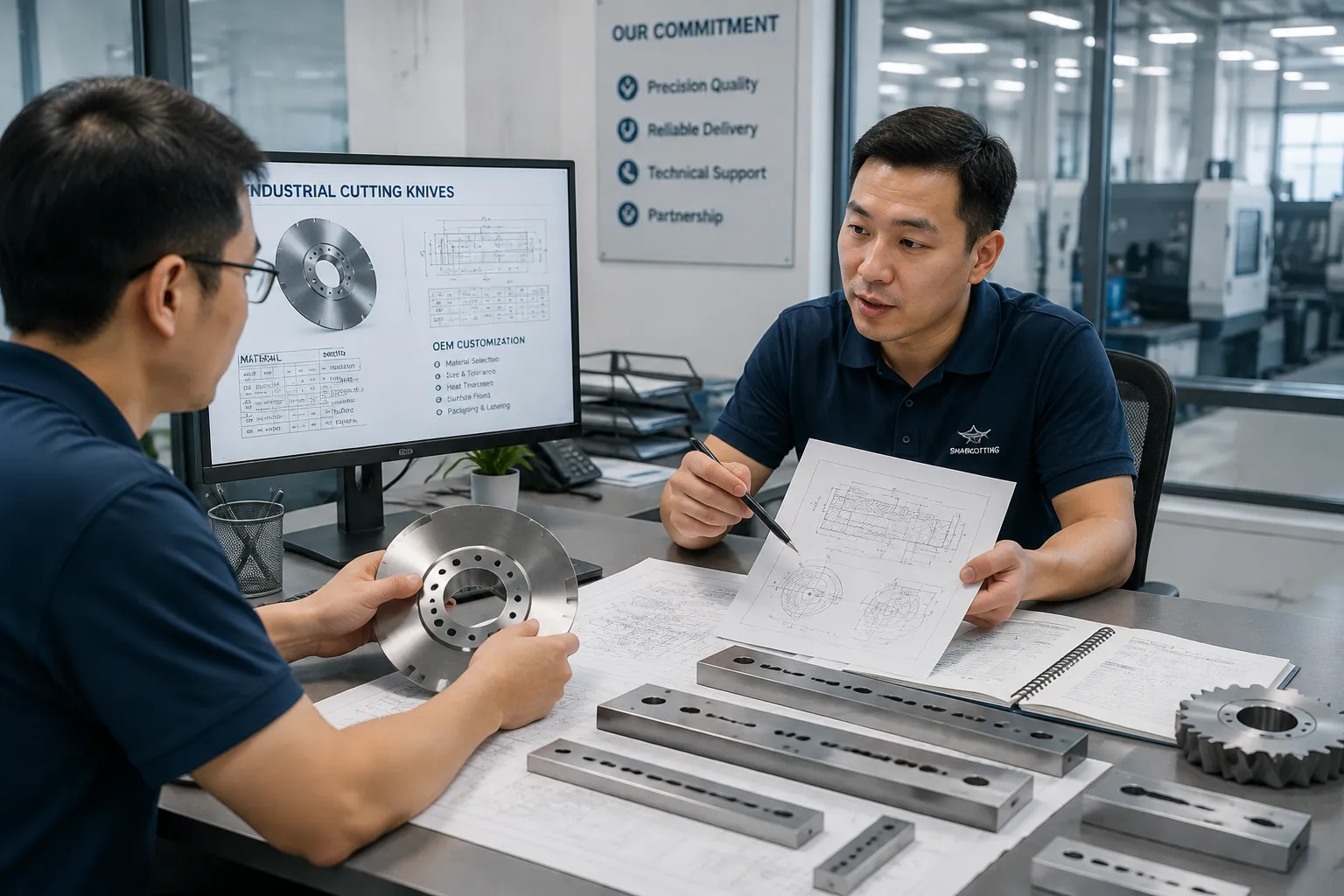
Sharkcutting High-Performance Precision Cutting Tools
Solving Blade Sticking and Overheating in Rubber Cutting
Gumming, material adhesion, and rapid frictional heating during rubber shear cutting and continuous slitting stem from high friction coefficients between raw elastomers and cutter surfaces. When processing uncured stock or soft polymers, localized heating softens the rubber further, causing stringing, rough cut edges, and premature dull knife syndrome.
At Sharkcutting, we solve thermal buildup and material sticking using a three-part engineering protocol:
- Super-Mirror Surface Polishing: Grinding knife faces to a mirror surface finish (Ra < 0.1 µm) eliminates microscopic crevices where tacky rubber compounds adhere.
- Specialized Low-Friction Coatings: Applying PVD titanium nitride (TiN), diamond-like carbon (DLC), or fluoropolymer coatings reduces the coefficient of friction by up to 60 percent.
- Optimized Cutting Geometry: Customizing rake and clearance angles reduces drag during deep penetration, accelerating heat dissipation across high-speed circular rubber slitters.
Implementing these enhancements extends rubber blade lifespan, reduces cleaning downtime, and guarantees clean, burr-free slitting profiles on thick sheets and rubber films. Similar precision engineering techniques are also applied in our specialized film-cutting knives line.
Preventing Edge Chipping on Steel-Reinforced Elastomers
Shearing rubber stocks containing high concentrations of carbon black, silica, or embedded high-tensile steel wire—such as tire carcasses, heavy conveyor belts, and reinforced seal profiles—subject cutter edges to severe mechanical impact and abrasive wear. Standard tool steel blades frequently experience micro-chipping or catastrophic edge fracture under these conditions.
To maintain structural integrity during abrasive material cutting, Sharkcutting recommends:
- High-Toughness Micro-Alloy Steels: Premium high-wear steel tool grades such as D2, M2, modified high-speed steel (HSS), and fine-grain carbide rubber blades provide an exceptional balance between hardness and impact toughness.
- Impact-Resistant Micro-Chamfering: Applying specialized micro-honing and chamfers to the cutting edge redistributes impact force, preventing stress concentration during steel tire cord shearing.
- Cryogenic Heat Treatment: Multi-stage deep cryogenic freezing refines the grain structure and converts residual austenite into stable martensite, dramatically boosting blade toughness.
These material upgrades allow rubber guillotine blades and tire recycling shredder knives to withstand severe impact while preserving razor-sharp cutting performance over extended cycles.
Custom Non-Standard Rubber Blade Fabrication from Drawings
Yes, durable custom rubber knives and non-standard blade geometries represent a core specialty of Sharkcutting. Automated rubber processing equipment, calender filtering lines, and specialized extrusion cutters often require exact mounting dimensions, customized keyways, or proprietary bevel profiles that stock blades cannot satisfy. In addition to elastomer applications, we also manufacture specialized packaging machine knives for automated production lines.
Our end-to-end OEM custom engineering workflow ensures perfect operational compatibility:
- Drawing and Sample Analysis: Submit CAD files or worn physical samples for comprehensive reverse-engineering and dimensional audit.
- Application Feasibility Review: Our technical team evaluates your rubber formulation, operating temperature, and cutter shaft dynamics to recommend optimal steel grades and edge bevels.
- Precision CNC Manufacturing: Utilizing five-axis CNC grinders, wire EDM, and blade precision grinding equipment, we achieve tight dimensional accuracy within ±0.002 mm.
- Quality Inspection Certificate: Every production batch undergoes full optical projection testing, hardness verification, and metallographic testing prior to shipment.
Production Lead Times and Expedited Delivery Options
We recognize that unplanned downtime in tire recycling cutting, conveyor belt slitting, or elastomer processing facilities incurs substantial financial loss. To minimize disruption, Sharkcutting maintains flexible manufacturing schedules and a strategic inventory of semi-finished tool blanks.
Standard Inventory Items
Popular sizes of circular rubber slitters and straight shear blades ship within 24 to 48 hours.
Custom OEM Blades
Engineered custom rubber knives ship within 2 to 3 weeks following final technical drawing confirmation.
For emergency plant shutdowns or unexpected tool failures, we offer fast-track rush fabrication services to produce urgent replacement OEM cutting components without compromising micro-tolerance quality.
Maximizing Rubber Blade Lifespan and Regrinding Protocols
Achieving the lowest total cost of ownership requires a proactive maintenance schedule paired with correct re-sharpening methods. Over-grinding or using improper wheel abrasive media can ruin blade temper and cause thermal micro-cracking along the cutting bevel.
Recommended maintenance practices include:
- Flood Coolant Application: Always use abundant synthetic coolant during blade precision grinding to prevent thermal burn and localized softening.
- Super-Abrasive Grinding Wheels: Utilize CBN (Cubic Boron Nitride) wheels for high-wear alloy tool steel and diamond wheels for carbide rubber blades.
- Shear Gap Alignment: Maintain precise clearance gaps between upper and lower blades to prevent metal-to-metal rubbing during conveyor belt slitting or tire recycling cutting.
Material Selection Matrix for High-Wear Rubber Processing
Matching cutter material to your specific elastomeric substrate ensures dull knife prevention, extends production runs, and lowers overall tool replacement expenditure.
| Material Grade | Hardness Range | Primary Application | Key Advantage |
|---|---|---|---|
| D2 / Cold-Work Tool Steel | 58–62 HRC | Natural rubber slitting & uncured slab shearing | High compressive strength & cost-effective wear resistance |
| M2 High-Speed Steel (HSS) | 62–65 HRC | High-speed circular rubber slitters & film converting | Superior edge retention at elevated friction temperatures |
| Sub-Micron Tungsten Carbide | 88–92 HRA | Continuous elastomer slitting & silica-filled compounds | Extreme wear resistance; up to 10x longer life in clean stock |
| Micro-Alloy Impact Steel | 56–60 HRC | Steel-wire tire recycling & heavy guillotine shearing | Maximum fracture toughness under extreme shock loads |
Need Technical Assistance for Your Rubber Cutting Production Line?
As an authoritative industrial blade supplier, Sharkcutting provides global supply capabilities, rapid drawing evaluation, and full technical support to lower total cost of ownership.