
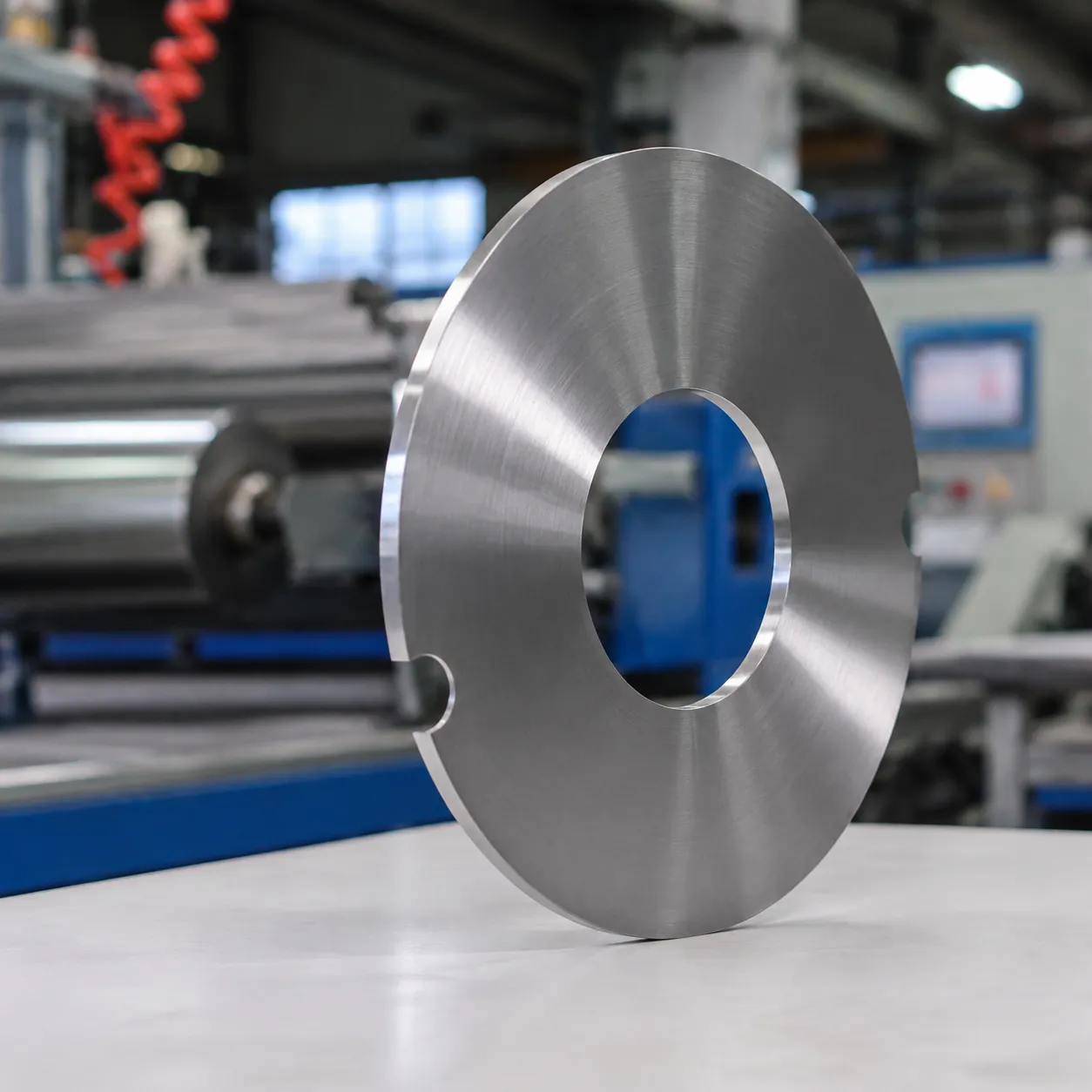
Formula details
Product Details
Overview
Engineered Cloth Slitter Blade Solutions for Precision Converting
Operational Performance Metrics
| Parameter | Performance Specification | Operational Benefit |
|---|---|---|
| Manufacturing Tolerance | Down to ±0.002 mm | Prevents line wobble, runout, and premature edge wear |
| Maximum Web Speed | Exceeds 800 m/min | Maintains edge stability on high-speed industrial lines |
| Cut Quality | Zero-fray shear edge | Eliminates material drag, fiber bunching, and edge re-trimming |
Material Compatibility
Our industrial textile slitter blades are optimized for dynamic converter lines and specific substrate properties:
- Woven Textiles & Apparel Stock: Clean shearing action without pulling or unraveling warp and weft yarns.
- Meltblown Filtration Fabric: Precise cuts that preserve delicate fiber web structures without crushing filtration pores.
- Technical Non-Wovens: Durable edge retention when slitting heavy polyester, polypropylene, and spunbond materials.
- Synthetic Composites: High resistance to abrasive resins and reinforced composite fiber matrices.
Advanced Metallurgy & Thermal Processing (HRC 55–68)
We build every cloth slitter blade to withstand intense operational stress and abrasive synthetic fibers. Matching the right substrate material to your converting line prevents premature edge breakdown, burnish marks, and costly downtime.
Substrate Material Selection
- High-Speed Steel (M2, M35, ASP 2026): Delivers exceptional edge toughness and thermal resistance under continuous high-speed web converting.
- D2 Air-Hardening Tool Steel: Offers superior abrasion resistance and long-lasting edge retention. Learn more about our specialized manufacturing process in our guide on how to make a slitter blade with D2 steel heat treatment.
- Fine-Grain Solid & Brazed Tungsten Carbide: Provides extreme hardness and maximum service life when cutting tough technical fabrics. Check out our high-performance tungsten carbide slitter knife options for heavy non-woven and composite processing.
Cryogenic Hardening & Stress Relief
| Process Step | Operational Impact | Technical Target |
|---|---|---|
| Vacuum Furnace Hardening | Prevents surface decarburization and maintains exact blade geometry | Computer-controlled cycle |
| Deep Cryogenic Treatment | Liquid nitrogen soak transforms retained austenite to martensite | -196°C (-320°F) |
| Triple Tempering Protocol | Eliminates internal micro-stresses and prevents edge chipping under shear forces | Target Hardness: HRC 55–68 |
Optimized Bevel Geometries & Surface Coatings
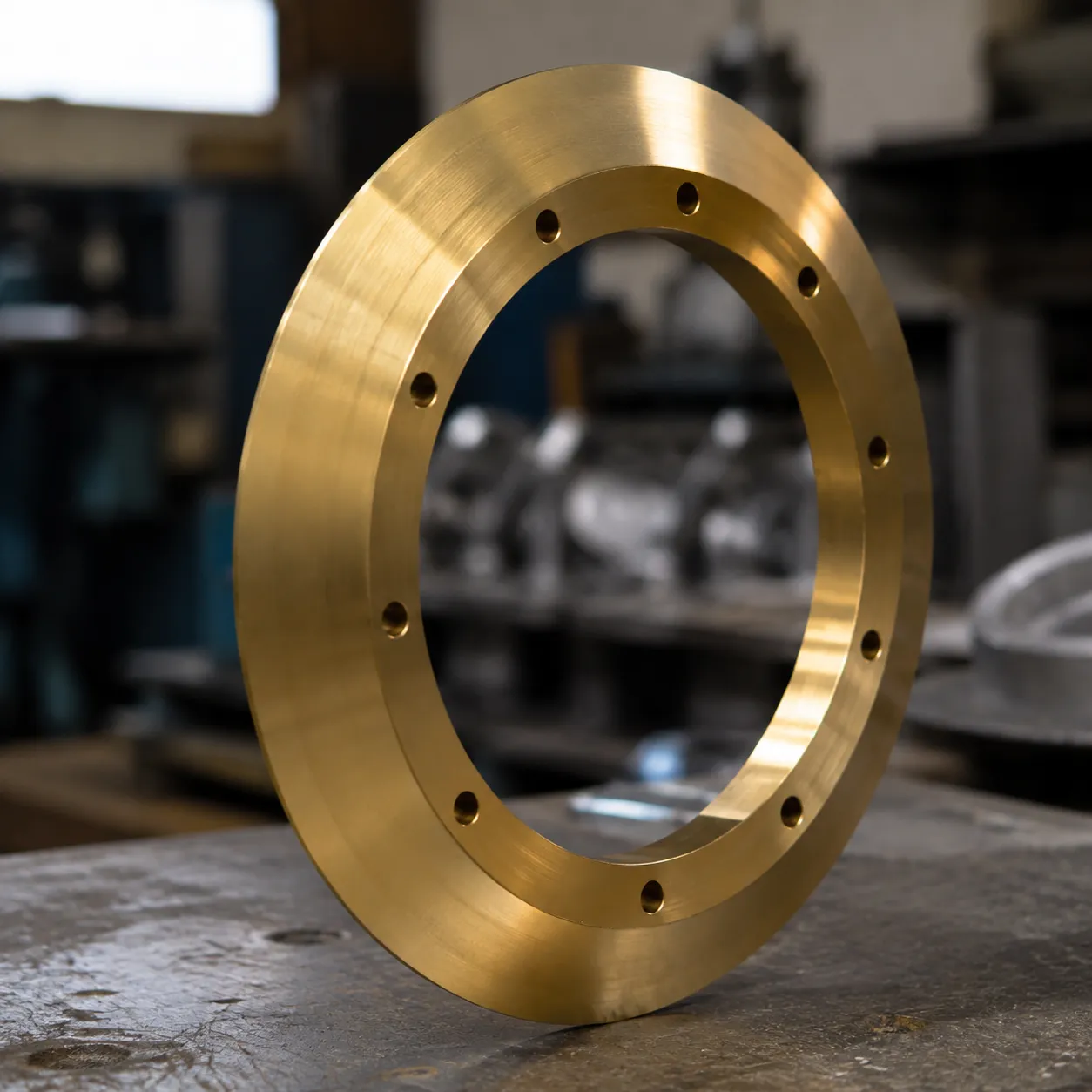
We precision-engineer every cloth slitter blade geometry to match your specific fabric density and line speed. Matching the right bevel profile with specialized surface treatments eliminates heat buildup, prevents material drag, and delivers clean, fray-free edges on high-speed web converting lines.
Tailored Bevel Configurations
| Bevel Style | Ideal Application | Performance Benefit |
|---|---|---|
| Ultra-Acute Double Bevel | Light synthetics, non-wovens, meltblown media | Minimal penetration force, zero edge burrs |
| Single Bevel | Heavy industrial textiles, coated fabrics | High stability against lateral deflection |
| Circular Dish Slitters | Rotary top/bottom shear slitting setups | Consistent point-of-cut alignment |
| Shear Cutting Assemblies | Multi-ply woven stock, technical composites | Clean scissor-action slitting at high speeds |
Advanced Anti-Friction & Anti-Stick Coatings
Sticky adhesives, synthetic fibers, and extreme friction can degrade edge quality and force unexpected downtime. We apply micro-thin physical vapor deposition (PVD) surface coatings to extend edge retention. To optimize your tool life across different web converting environments, consult our comprehensive slitter blade material selection guide.
- Titanium Nitride (TiN): Increases surface hardness up to 2,300 HV, drastically reducing edge wear when slitting abrasive synthetic textiles.
- Diamond-Like Carbon (DLC): Delivers an ultra-low friction coefficient (<0.1) to eliminate material drag and static buildup on delicate non-woven lines.
- Teflon (PTFE) Coating: Prevents molten polymer transfer, adhesive buildup, and fiber gumming during continuous, high-speed slitting runs.
Custom OEM/ODM Engineering & Reverse Engineering
When standard tooling falls short, we manufacture tailored slitting solutions built for your exact production line requirements. Through our specialized OEM/ODM services, we engineer custom cloth slitter blade solutions designed to eliminate material drag and cut production downtime.
3D Reverse Engineering
Do not let missing blueprints or obsolete tooling halt your converting line. Send us your worn or damaged sample blades, and our technical team uses high-precision 3D scanning to reconstruct exact production drawings, restoring original geometry and tolerances down to the micron.
Complete CAD File Compatibility
We streamline the onboarding process by reviewing design files directly in your preferred format:
3D Solid Models: STEP, IGES
2D Vector Drawings: DXF, DWG
Technical Blueprints: High-resolution PDF
72-Hour DFM Engineering Review
Our metallurgists and tooling specialists complete a comprehensive Design for Manufacturability (DFM) review within 72 hours. Through our custom engineering protocol, we optimize your cloth slitting knife bevel angles, blade thickness, and shear geometry to maximize edge life on every industrial textile slitter setup.
4-Step Custom Cloth Slitter Blade Manufacturing Process
| Step | Timeline | Key Manufacturing Operations |
|---|---|---|
| 1. Technical DFM & Quote | Days 1–2 | Blueprint analysis, alloy selection (HSS/Carbide), and itemized commercial quote. |
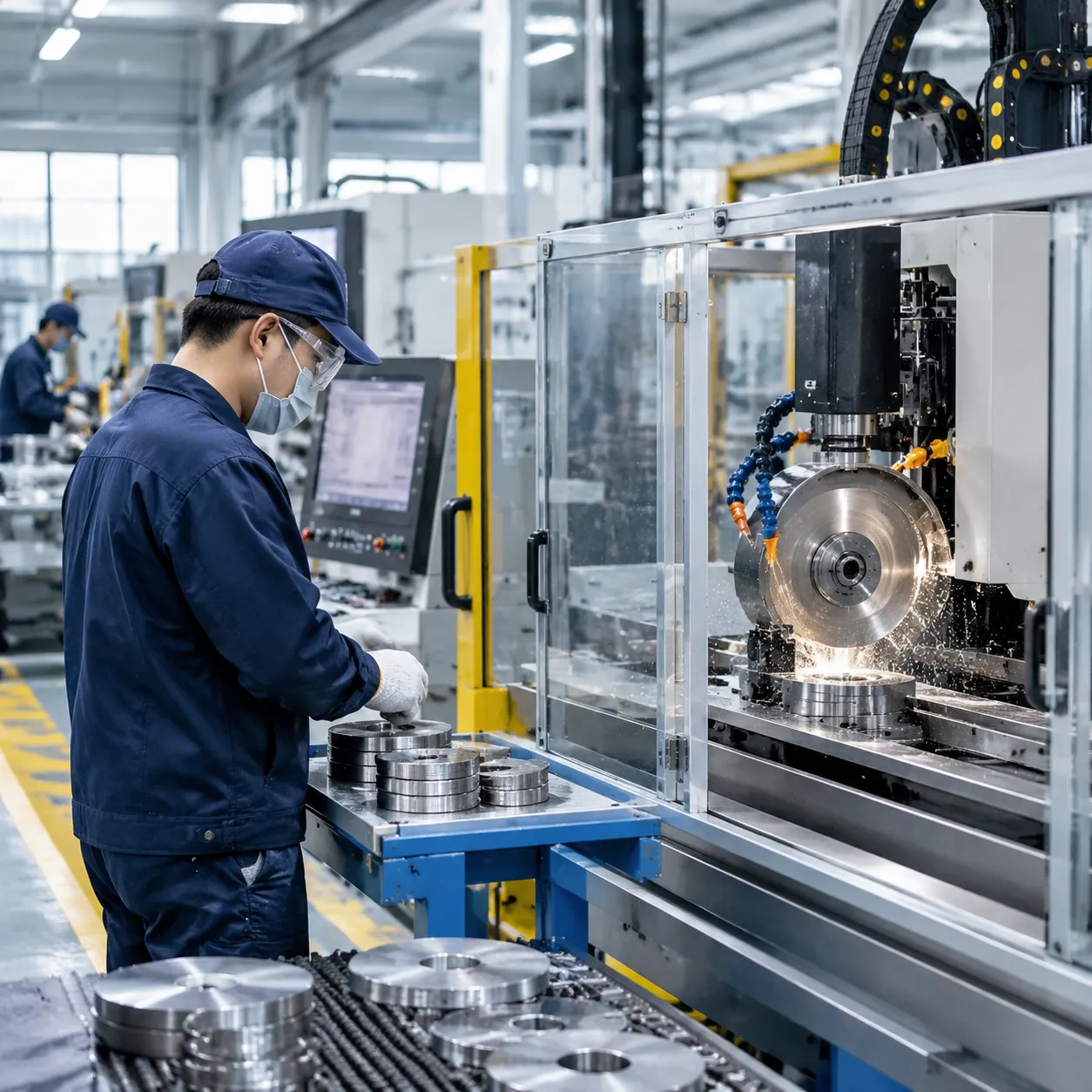
| 2. Precision Fabrication | Days 3–6 | 5-axis CNC grinding, wire EDM profiling, and deep cryogenic heat treatment (-196°C). |
| 3. QA & Prototyping | Days 7–15 | 100% optical dimensional check, spectrographic alloy test, and 15-day prototype dispatch. |
| 4. Production & Delivery | Scale-Up | Vacuum anti-rust sealing and flexible global shipping terms (FOB, CIF, DDP). |
Streamlined Fulfillment for Rotary Fabric Cutting Blades
- Engineering Review (Days 1–2): We evaluate your CAD files (STEP, IGES, DXF) to optimize edge geometry and substrate selection for your specific web converting lines.
- Precision Machining (Days 3–6): Using advanced 5-axis CNC grinding and controlled cryogenic thermal processing, we maintain tolerances down to ±0.002 mm for wobble-free performance.
- Rigorous Inspection (Days 7–15): Every custom cloth slitter blade passes through our quality control process, featuring spectrographic material verification and 100% optical inspection before prototype shipping.
- Global Logistics: Finished blades are packed in vacuum-sealed anti-rust packaging, ready for seamless deployment into your cutting machinery under your preferred international trade terms.
Cloth Slitter Blade Technical Specifications & RFQ
Below is our standard manufacturing matrix for industrial textile and non-woven slitting tooling:
| Specification | Standard Size Matrix | Custom Machining Limits |
|---|---|---|
| Outer Diameter (OD) | 20 mm – 350 mm | Up to 500 mm |
| Inner Diameter (ID) | 10 mm – 100 mm | Custom keyways & pinholes |
| Blade Thickness | 0.5 mm – 5.0 mm | Tight tolerances to ±0.002 mm |
| Surface Roughness | Ra 0.1 µm (Standard) | Ra 0.05 µm (Micro-polished) |
| Substrate Hardness | HRC 58–64 (Tool Steel) | Up to HRC 68 / Solid Carbide |
Direct B2B RFQ & Custom Tooling Process
- Blueprint Upload: Direct submission for STEP, IGES, DXF, DWG, and PDF blueprints.
- Alloy Selection Dropdown: Choose between D2, M2/M35 high-speed steel, ASP 2026, or solid tungsten carbide based on material abrasiveness.
- Batch Size Selection: Flexible production quantities ranging from 10-piece prototype evaluations to large-scale OEM supply runs.
- Defined Lead Times: 72-hour DFM engineering reviews with prototype delivery within 7–15 business days.
Whether you need standard rotary replacements or specialized custom machine knives, our engineering team optimizes edge geometry to ensure zero fiber drag. We also produce direct-fit OEM industrial knives tailored to your specific converting line speeds and shear assembly configurations.
Frequently Asked Questions (FAQs)
What blade material is best for high-speed synthetic cloth slitting?
For high-speed synthetic webs, solid tungsten carbide and premium high-speed steels (M2, M35, ASP 2026) deliver superior performance. We recommend carbide slitter blades for fabric when cutting abrasive glass fibers or meltblown filtration materials due to their extreme wear resistance. For lines subject to heavy web tension spikes, deep cryogenically treated HSS provides the optimal blend of edge sharpness and impact toughness to eliminate micro-chipping.
How do TiN and DLC coatings extend cloth slitter blade operational life?
Titanium Nitride (TiN) and Diamond-Like Carbon (DLC) surface treatments reduce surface friction, stopping synthetic resin adhesion and heat transfer during shearing. Equipping your converting line with anti-friction coated textile blades minimizes material drag and edge fraying. A coated cloth slitter blade routinely yields 3x to 5x longer service life compared to uncoated steel tooling, drastically lowering maintenance downtime.
What are standard manufacturing tolerances for custom rotary textile knives?
We engineer our high-performance circular slitter knives and rotary fabric cutting blades to sub-micron precision to guarantee wobble-free operation at line speeds exceeding 800 m/min:
Concentricity & Runout: Held within ±0.002 mm to prevent web alignment drift and premature edge dulling.
Thickness Consistency: Ground to ±0.001 mm for repeatable shear clearance on each textile bottom slitter blade.
Edge Roughness: Micro-polished down to Ra < 0.1 µm for clean, burr-free fabric slit edges.
How does 3D reverse engineering work for obsolete or worn slitter blades?
When original OEM blueprints are unavailable, send your worn or damaged sample knife directly to our laboratory. We perform 3D optical CMM laser scanning to capture precise blade dimensions, reconstruct bevel profiles, and correct original wear patterns. We deliver verified CAD blueprints (STEP, DXF) and DFM engineering reviews within 72 hours, ensuring quick production of exact-fit replacement textile cutting machine blades.