
Formula details
Product Details
Overview
Product Overview & Immediate Fitment
Plant engineers and machinery operators cannot afford rotational play during high-speed continuous web slitting and shear cutting.
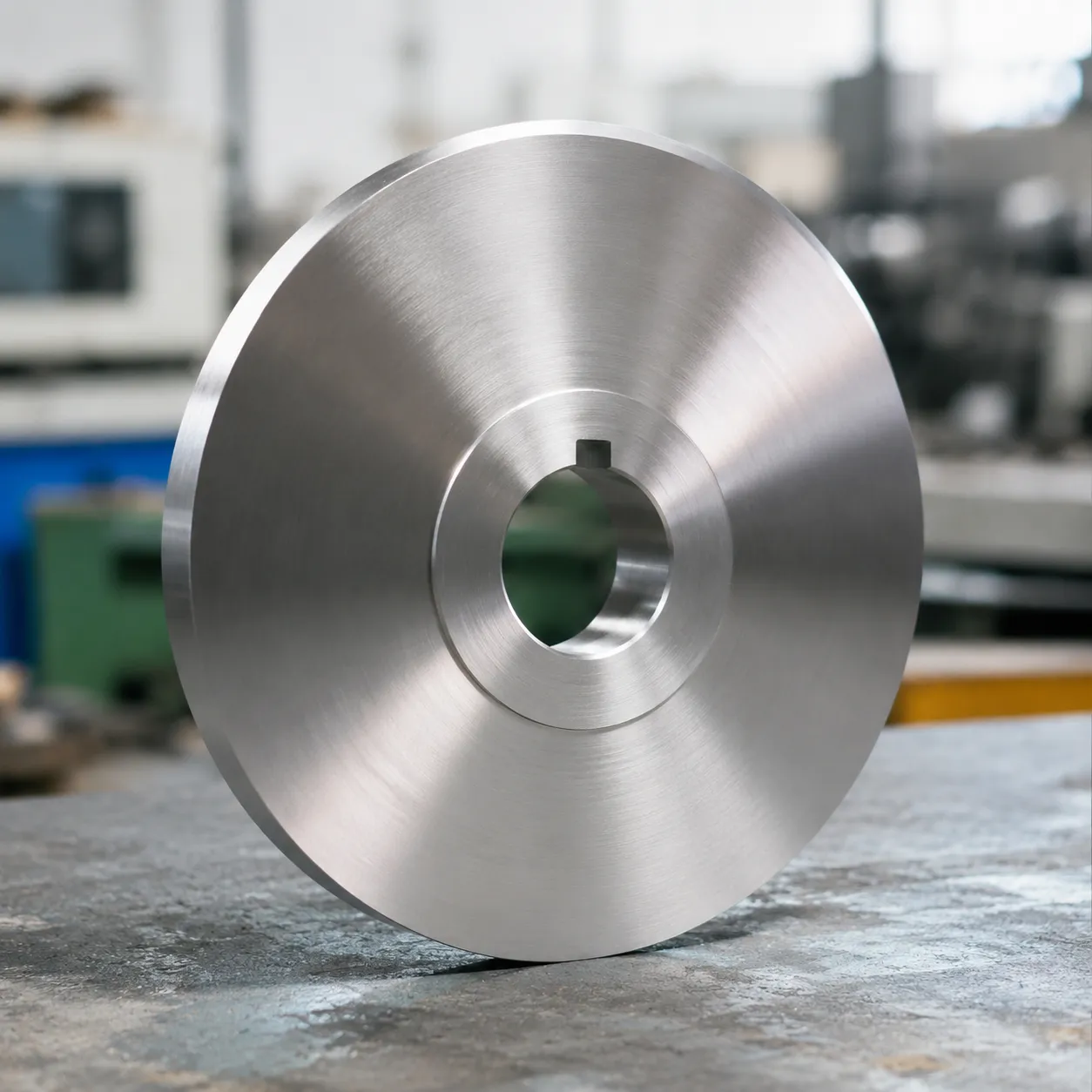
We engineered our premium 170mm slitter blade with 20 mm bore to deliver immediate drop-in fitment, eliminating drive slip and maintaining uncompromising cut accuracy across demanding converting operations.
Key Fitment & Performance Specifications
- Precision Arbor Fit: Built as a 170mm slitter blade with 20 mm hole, engineered for absolute concentricity to prevent shaft vibration and wobble.
- Positive Torque Drive: Features a Wire-EDM ground 170mm slitter blade with 20 mm bore 6mm key way for reliable, zero-slippage power transfer under high torque loads.
- Micron-Level Tolerances: Precision CNC ground down to ±0.001mm with a mirror surface finish (Ra < 0.1µm) to minimize drag and material buildup.
- Exact Drive Geometry: Our 170mm slitter blade with 20mm bore 6mm keyway locks securely onto standard driveshafts, protecting both the arbor and blade from key shearing.
Every blade manufactured by Sharkcutting carries our 100% OEM fitment guarantee, giving your facility maximum operational runtime and clean, burr-free cuts on every pass.
Technical Specifications: 170mm Slitter Blade with 20mm Bore & 6mm Keyway
We manufacture every 170mm slitter blade with 20mm bore 6mm keyway to exact geometric tolerances, ensuring seamless torque transfer and vibration-free rotary slitting.
| Engineering Parameter | Technical Standard & Performance Metric |
|---|---|
| Outer Diameter (OD) | 170 mm |
| Bore Size (Arbor Hole) | 20 mm |
| Drive Shaft Keyway | 6 mm width |
| Grinding Tolerance | ±0.001 mm to ±0.002 mm |
| Surface Roughness | Ra < 0.1 µm (Mirror Polish) |
| Concentricity & Runout | ≤ 0.003 mm |
| Hardness Standards | HRC 58–62 (D2) / HRC 62–66 (M2) / HRA 88–92 (Carbide) |
| Steel Grade Options | D2 / SKD11, M2 / SKH51, Solid Tungsten Carbide |
| Bevel Profile Options | Single Bevel, Double Bevel, Compound Bevel, Dished Profile |
- Custom Metallurgy: Choose cold-work D2 tool steel for paper, M2 high-speed steel for thermal resistance, or a long-lasting tungsten carbide slitting disc for abrasive film and foil lines.
- Material Selection: Evaluate wear properties and operational lifespans across grade options using our comprehensive carbide vs steel knives guide.
Keyway Drive Engineering & Shaft Stability
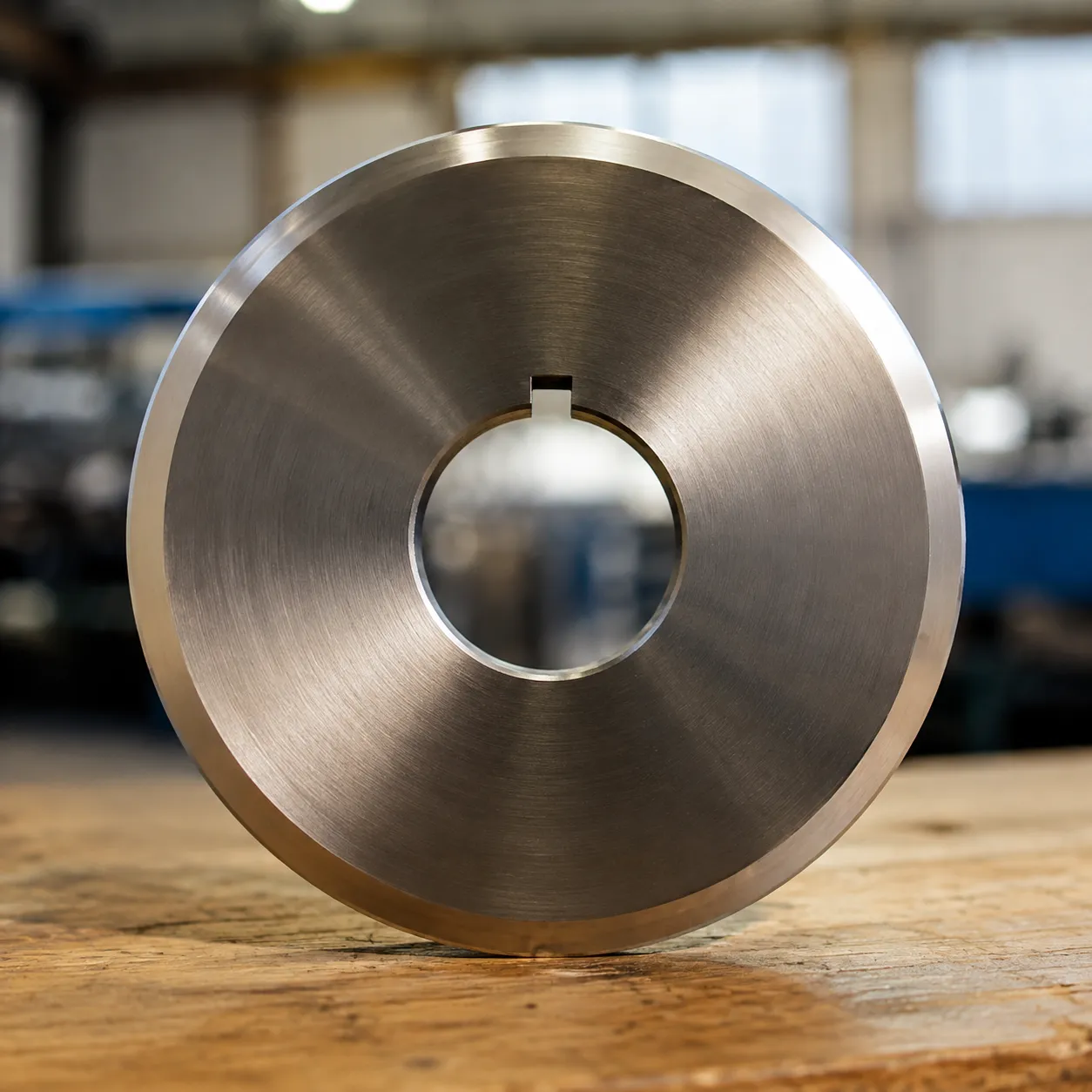
We manufacture every 170mm slitter blade with 20mm bore 6mm keyway to handle demanding torque loads without dynamic distortion or shaft slippage. Blade chatter and mounting slop degrade cut quality and wear out drive shafts. Installing a high-precision 170mm slitter blade with 20 mm hole locks your shaft setup in place and protects your converting equipment.
- Wire-EDM 6mm Keyway: Precision Wire-EDM keyway machining eliminates shaft play, key shearing, and rotational slippage under heavy torque loads.
- Vibration Reduction: The micro-ground 20mm bore maintains tight concentricity and runout (≤ 0.003 mm), eliminating blade chatter and side wobble at high operating speeds.
- Axial Balance: Balanced profile engineering prevents dynamic imbalance during continuous shear slitting on our industrial rotary slitting knives.
Material Selection Guide for Converting Applications
We supply each 170mm slitter blade with 20mm bore 6mm keyway in distinct steel alloys engineered for your exact line speeds, web tension, and substrate shear requirements. Selecting the correct material minimizes edge breakdown and slitter downtime.
| Material Grade | Hardness | Core Characteristics | Target Converting Applications |
|---|---|---|---|
| D2 / SKD11 Cold Work Tool Steel | HRC 58–62 | Excellent wear resistance paired with high core toughness | Standard paper converting lines, paperboard, and packaging materials |
| M2 / SKH51 High-Speed Steel (HSS) | HRC 62–66 | High red hardness and thermal resistance under extreme friction | High-speed film processing operations, polymer slicing, and edge-banding |
| Solid Tungsten Carbide | HRA 88–92 | Maximum abrasion resistance offering up to 10x edge life vs steel | Abrasive foils, metallic films, and continuous high-volume converting |
Deep Cryogenic Treatment for Thermal Stability
Every 170mm slitter blade with 20 mm bore undergoes an advanced deep cryogenic stress-relief process following vacuum heat treatment.
- Eliminates Internal Stress: Transforms retained austenite into stable martensite, preventing blade warping under severe operating temperatures.
- Preserves Axial Flatness: Prevents lateral runout shifts during high-rpm continuous rotary cutting.
- Tighter Grain Structure: Enhances edge retention so your 170mm slitter blade with 20 mm hole holds a razor-sharp profile significantly longer.
Whether fitting a standard 170mm slitter blade with 20 mm bore 6mm key way on a rewinder or an OEM shear slitting rig, matching material density to your material substrate guarantees clean, burr-free cuts.
170mm Slitter Blade Substrate Compatibility and Edge Customization
Target Substrates & Materials
We engineer each 170mm slitter blade with 20 mm hole to handle diverse processing requirements:
Flexible Films & Foils: BOPP, PET, PE, stretch film, and thin aluminum foils.
Paperboard & Packaging: Heavy paperboard, corrugated liners, kraft paper, and printed packaging.
Non-Woven Fabrics: Technical non-wovens, spunbond web, and synthetic composites. For dedicated textile lines, explore our high-performance nonwoven knives.
Rubber Sheets & Elastomers: Dense rubber sheets, gaskets, and vulcanized polymers. Learn more about our dedicated rubber cutting knives for heavy elastomer applications.
Veneers & Edge-Banding: PVC, ABS, acrylic, and natural wood veneers.
Machinery & OEM Compatibility
Our 170mm slitter blade with 20 mm bore serves as a direct drop-in OEM replacement across major converting and rewinding machinery:
Rewinder & Slitter Equipment: Fits Tidland, Dusenbery, Cameron, and Kampf shear slitting systems.
Edge-Banding Lines: Fully compatible with FS Tool cutting assemblies and primary edge-trimming machinery.
Arbor Shaft Integration: Precision ground 20mm arbor hole ensures exact alignment on standard drive shafts without custom modification.
Edge Customization & Performance Coatings
We offer custom blade geometry and surface treatments to solve specific production challenges:
Bevel Configurations: Single bevel, double bevel, compound bevel, and dished shear profiles tailored to your cut angle needs.
Edge Modifications: Micro-serrations for grip on slippery polymer films and polished cutting edges to prevent friction heat.
Anti-Stick Coatings: Optional TiN (Titanium Nitride), Ceramic, or Teflon coatings to eliminate adhesive buildup and reduce cleaning downtime.
Sharkcutting Manufacturing & Quality Assurance for 170mm Slitter Blades
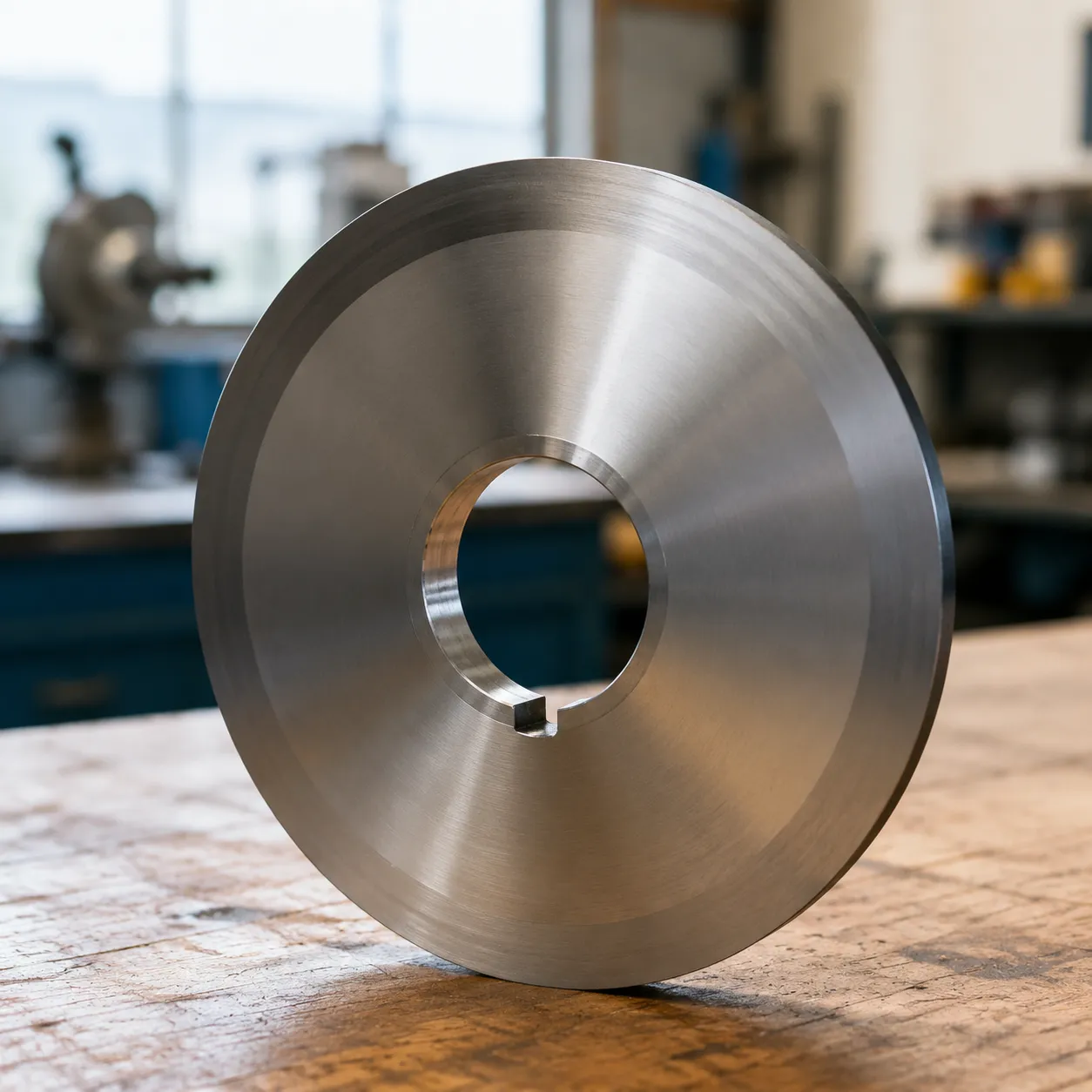
Micron-Precision 5-Axis CNC Grinding
- Burr-Free Edge Geometry: Advanced 5-axis CNC grinding technology creates razor-sharp edge profiles for clean slitting without material fraying.
- Tight Tolerances: We maintain grinding tolerances down to ±0.001mm on every 170mm slitter blade with 20 mm hole, ensuring perfect concentricity and dynamic shaft balance.
100% Quality Inspection & Testing
Each 170mm slitter blade with 20 mm bore 6mm key way passes through strict testing protocols before shipment:
CMM Dimensional Validation: High-precision Coordinate Measuring Machines verify keyway geometry, arbor hole size, and outer diameter accuracy.
Rockwell Hardness Verification: Hardness testing verifies structural core toughness and edge density for D2, M2 HSS, and Tungsten Carbide materials.
Our facility operates under a comprehensive manufacturing quality control system to guarantee a 100% direct drop-in OEM fitment.
Reverse Engineering & Custom OEM Mapping
- Direct Drop-In Fabrication: We manufacture custom replacement knives tailored to your exact converting machinery specs.
- CAD & Sample Reverse Engineering: Submit your technical CAD drawings or physical blade samples, and we will map the exact geometry, bevel profile, and hardness required for your production line.
Frequently Asked Questions
Why is a 6mm keyway necessary on a 170mm slitter blade with 20 mm bore 6mm key way?
A 6mm keyway provides positive mechanical drive transfer between the arbor shaft and the rotary knife. On high-speed converting lines, friction-only or set-screw mounting can slip under severe torque or thick substrates, leading to shaft scoring and dynamic misalignment. Installing a 170mm slitter blade with 20mm bore 6mm keyway eliminates rotational play, prevents key shearing, and ensures smooth shear cutting under continuous load.
How do I choose between D2, M2 HSS, and Tungsten Carbide for 170mm circular blades?
We select tool steel chemistry based on line speeds, substrate abrasiveness, and operational cycle targets:
| Steel Grade | Hardness | Key Advantage | Recommended Substrates |
|---|---|---|---|
| D2 / SKD11 | HRC 58–62 | High shock resistance & cost balance | Paperboard, standard paper, corrugated, packaging |
| M2 HSS / SKH51 | HRC 62–66 | High red hardness & heat resistance | Flexible films (BOPP, PET), polymers, edge-banding |
| Tungsten Carbide | HRA 88–92 | Up to 10x edge retention & wear resistance | Aluminum foils, abrasive non-wovens, 24/7 continuous lines |
Read our detailed technical guide on how to choose slitting knives to evaluate blade life versus material costs.
How does concentricity affect blade longevity and cut quality during continuous slitting?
Poor concentricity increases total indicator reading (TIR) runout, causing the blade edge to slap against the counter knife or anvil roll. This micro-impact accelerates localized edge chipping, causes material burring, and induces harmful drive shaft vibration. Every 170mm slitter blade with 20 mm hole we grind maintains concentricity ≤0.003mm to eliminate chatter and maximize blade life.
Can a 170mm slitter blade with 20 mm bore be re-sharpened or customized?
Yes. We manufacture and precision re-grind circular slitter knives to factory tolerances. Depending on total edge wear, each blade can undergo multiple re-grinding cycles on 5-axis CNC grinders without compromising bevel geometry. We also offer custom bevel angles (single, double, or compound), micro-serrations, and low-friction anti-stick coatings (TiN, Teflon) to meet specific web converting needs.