
Fundamental Mechanics of Blade Crusher Design
Rotor and Stator Shear Mechanics
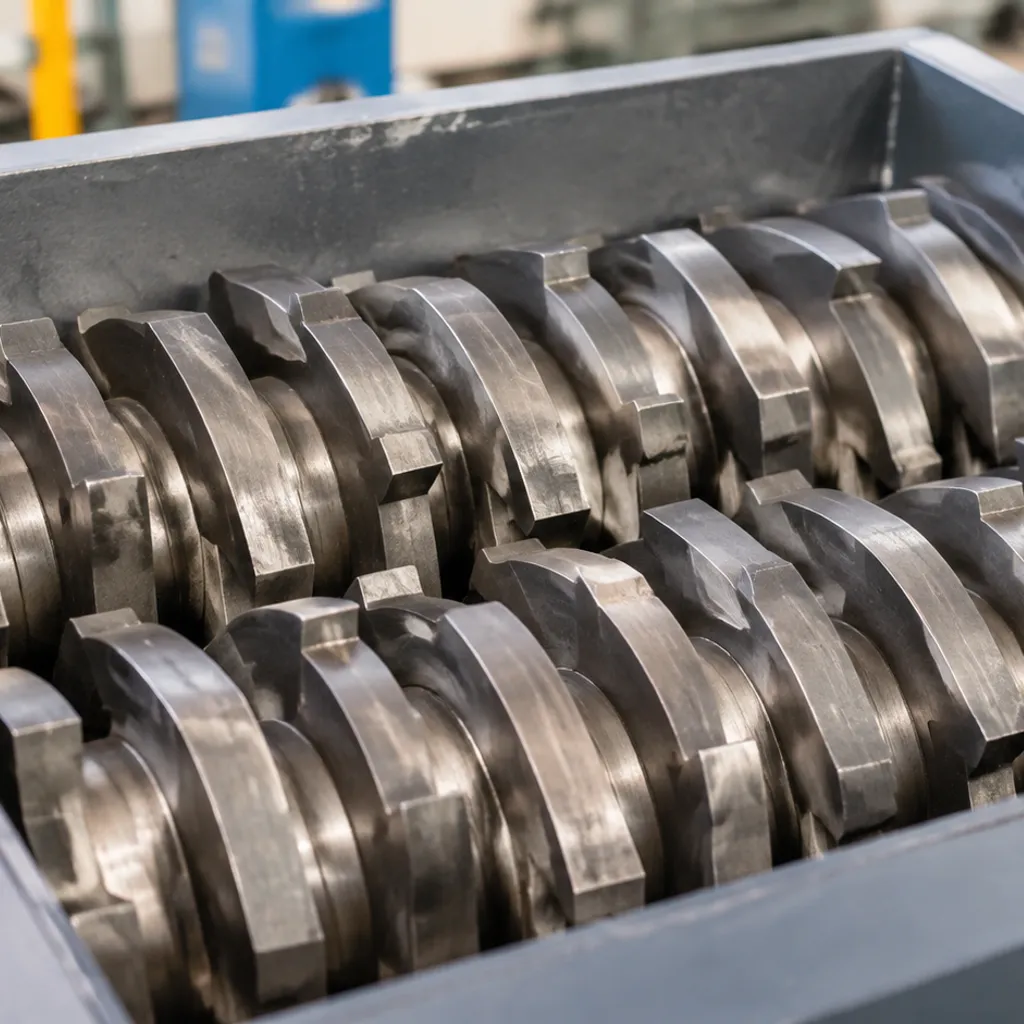
The core of any size reduction process is the scissor-like action between the rotating blades and the stationary bed knives. Proper rotary shear shredder mechanics rely on maintaining consistent contact points to prevent material from folding or passing through un-cut. Our engineering focus ensures that the blade path is perfectly aligned to maximize cutting force across the entire length of the cutting chamber.
Defining Optimal Clearance Tolerances
Precision is vital when setting the gap between rotor and stator components. Achieving rotor-stator clearance optimization involves:
Material Sensitivity: Reducing gaps for thin films or plastics to prevent shredding "stringers."
Uniformity: Maintaining consistent tolerances across the width of the rotor to prevent uneven wear.
Thermal Expansion: Calculating necessary clearances to account for metal growth during high-heat operational cycles.
Balancing Rotor Speed and Torque
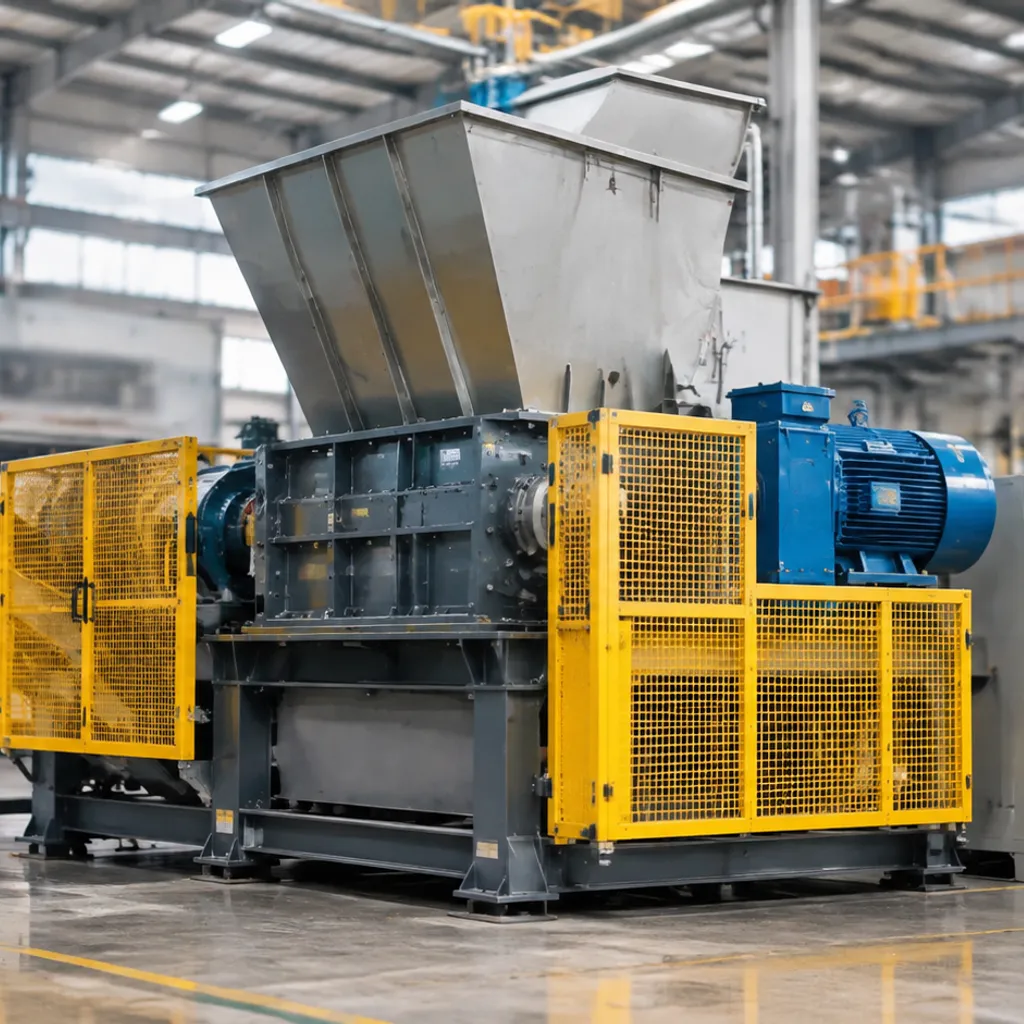
The relationship between rotational speed and crushing power determines the efficiency of your size reduction machinery components. We emphasize a design balance that provides:
High-Torque Performance: Essential for heavy-duty shredding of thick materials without stalling the motor.
Controlled Throughput: Adjusting RPMs to match the material’s structural integrity, preventing excessive fines while maintaining high output.
Mechanical Longevity: Reducing structural stress on the rotor assembly by selecting drive ratios that favor torque over excessive centrifugal speed.
Optimizing Blade Geometry for Throughput
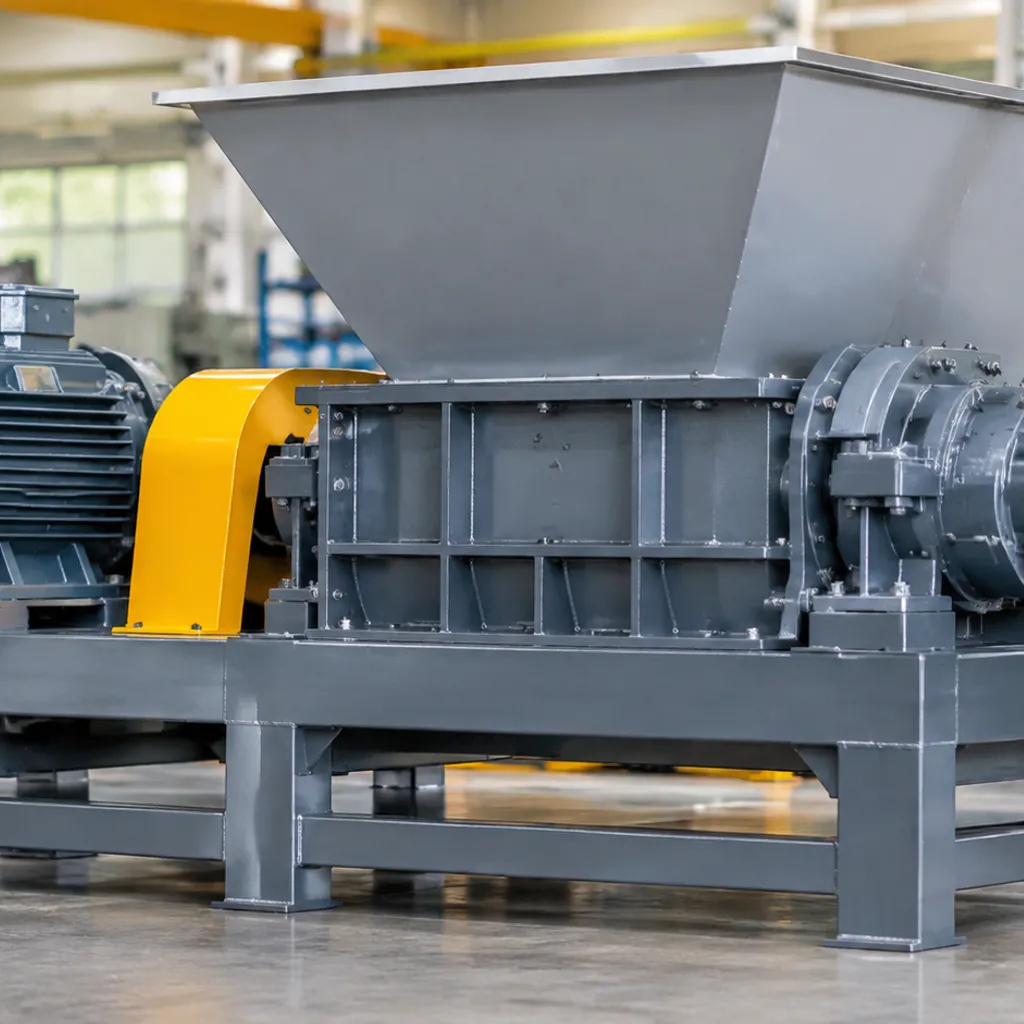
To maximize processing speed and efficiency, the geometry of your blade crusher design must be tailored to the material stream. We focus on three critical design pillars to keep throughput high and downtime low:
- Hook Angle Engineering: By fine-tuning the hook angle, we significantly improve the "grab-and-pull" performance of the rotor. A more aggressive angle pulls bulkier materials into the cutting chamber faster, reducing bridging and feeding interruptions.
- Cutting Edge Profiles: Selection depends entirely on your output requirements:
- Straight edges: Ideal for clean, shearing cuts on consistent plastic or paper feedstocks.
- Concave profiles: Provide a slicing action that reduces the total force needed for initial penetration.
- Serrated edges: Essential for high-friction or fibrous materials, providing multiple contact points that grip and tear instead of sliding.
- Interlocking Rotor Patterns: We design rotor configurations to eliminate cutting chamber dead zones. By staggering knife positions, we ensure that every rotation provides constant, overlapping shear forces across the entire width of the screen.
When your PET bottle crusher blade design is optimized with the correct geometry, you minimize material smearing and ensure a uniform granulate size, which is vital for downstream processing. Proper pattern alignment not only boosts throughput but also distributes the mechanical load more evenly across the drive train, extending the service life of your shredder components.
Selecting Materials for Industrial Crusher Blades
When choosing the right crusher blade materials, I prioritize the balance between wear resistance and structural integrity. The choice of steel directly impacts the lifespan of your size reduction machinery and the cost-efficiency of your operations.
Comparing Tool Steel Grades
- D2 Tool Steel: My go-to for general-purpose applications due to its high carbon and chromium content, offering excellent wear resistance and reasonable toughness.
- SKD-11: Frequently preferred for its superior dimensional stability and edge retention, making it highly effective for heavy-duty shredding where precision must be maintained over long production cycles.
High-Abrasion Solutions
For extreme environments, standard steels often fall short. I utilize tungsten carbide inlays when dealing with high-abrasion tasks, such as recycling contaminated materials or processing glass-filled polymers. The carbide edge provides a significantly longer service life, though it requires a more rigid mounting design to prevent cracking.
The Hardness vs. Toughness Trade-off
Balancing Rockwell hardness (HRC) with impact toughness is critical to preventing blade failure:
High HRC (58-62): Maximizes edge life but increases the risk of brittle fractures under high-torque shock loads.
Balanced Toughness: By specifying the appropriate heat treatment, I ensure the blade core remains resilient enough to absorb impact energy, preventing the teeth from snapping during unexpected stall events.
Selecting the right alloy is about matching the material to the specific load and wear characteristics of your workflow to avoid frequent replacements.
Designing for Specific Industry Applications
Effective blade crusher design requires a tailored approach based on the material's physical properties. My team focuses on balancing durability and cutting efficiency across varied industrial sectors to ensure high-performance size reduction.
Plastic and Polymer Recycling
To prevent material smearing—a common issue when processing thermoplastic polymers—we prioritize specific clearance adjustments and heat dissipation profiles. Utilizing a plastic shredder blade supplier for durable blade sets allows operators to maintain the sharp, clean edges necessary to prevent friction-induced melting during high-speed grinding.
Metal and Scrap Shredding
High-shock environments require blades engineered for extreme toughness. We focus on:
Impact-Resistant Alloys: Utilizing materials that resist chipping under heavy mechanical stress.
Reinforced Geometry: Designing thicker tooth profiles to withstand the irregular forces of shredded scrap metal.
Fatigue Management: Minimizing stress risers in the blade body to prevent structural failure during high-torque processing.
Wood and Biomass Processing
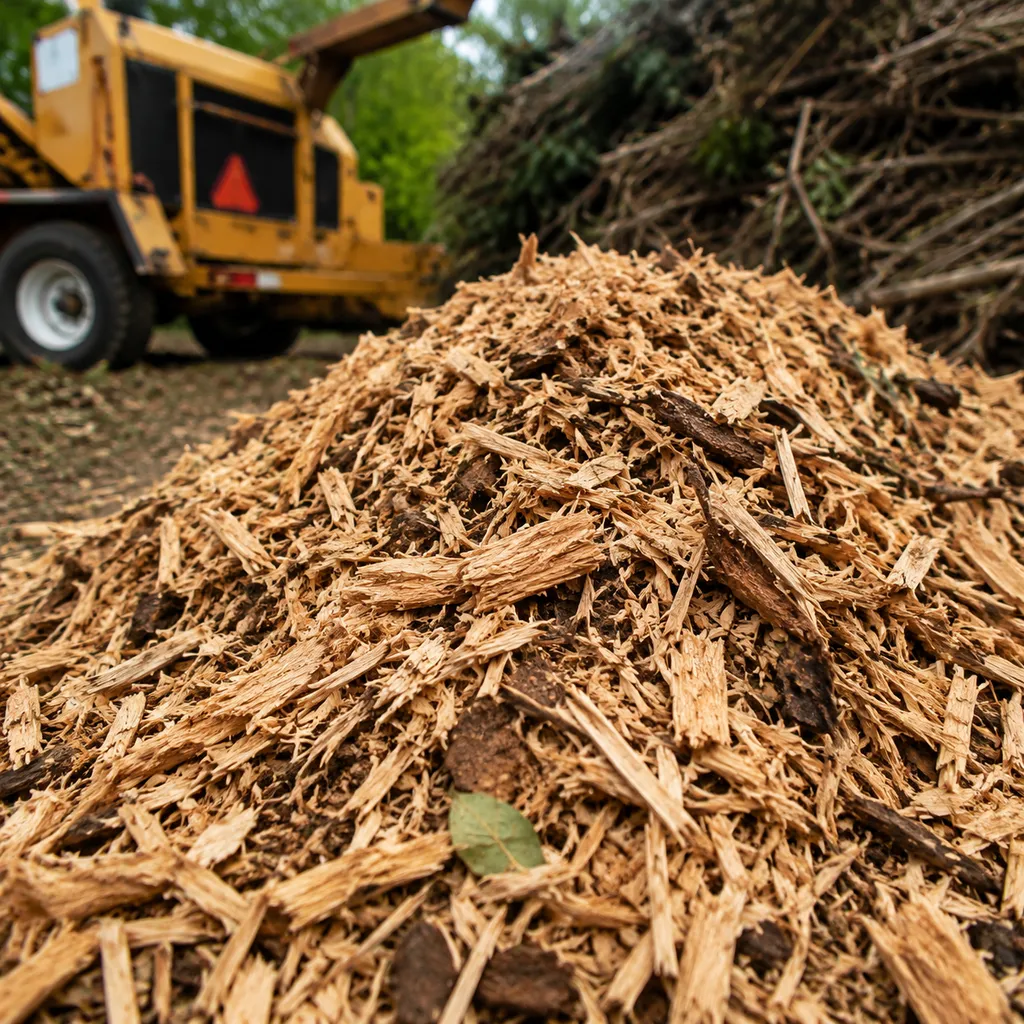
Processing wood requires aggressive intake geometry to ensure consistent material feeding. We optimize the hook angle and tooth spacing to:
Increase Throughput: Enhancing the "grab-and-pull" action to prevent stalling.
Reduce Energy Load: Designing profiles that shear wood fibers cleanly, minimizing the torque required to cycle through dense biomass.
By applying these specific design strategies, we ensure that your industrial shredder blades provide consistent, long-term output regardless of the material feed.
Ensuring Long-Term Design Integrity
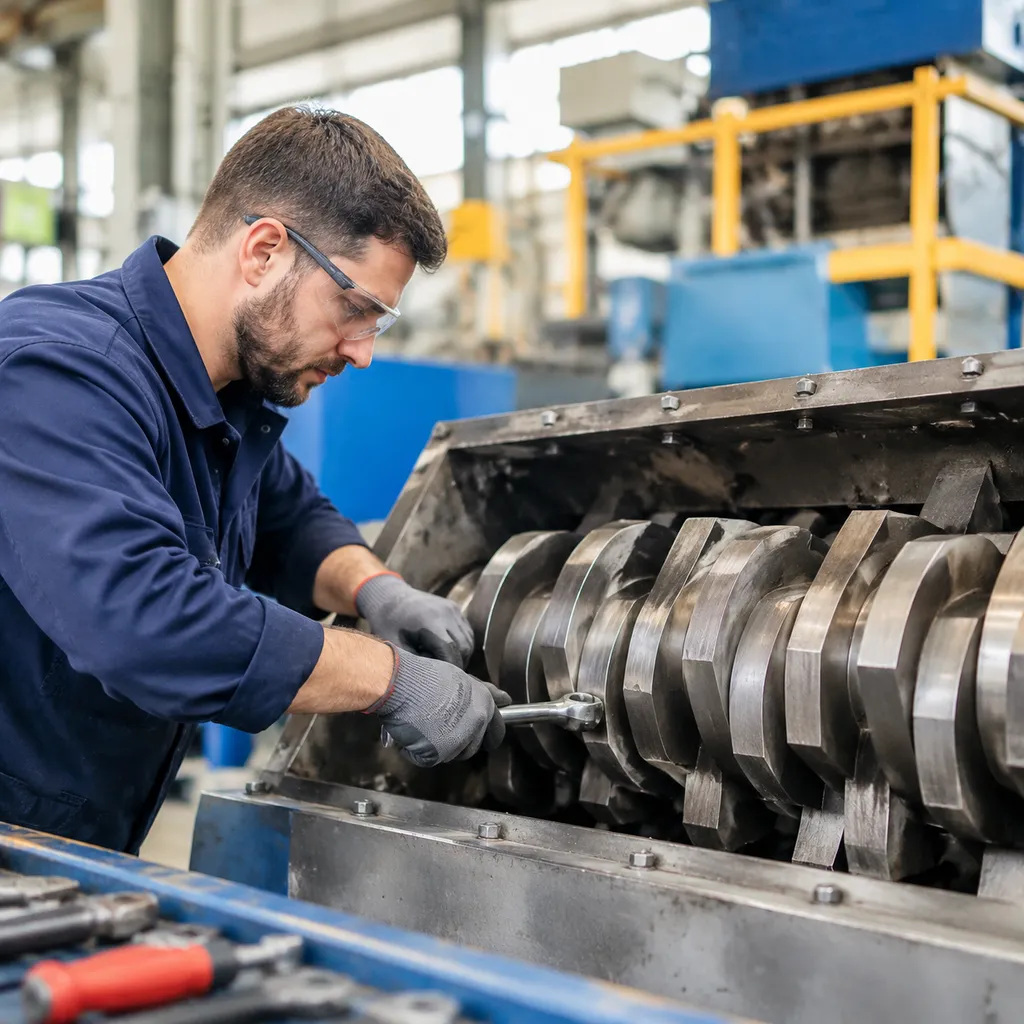
Maintaining the operational lifespan of your equipment relies on proactive maintenance and a rigid adherence to design tolerances. To ensure your chipper shredder blade design remains effective over time, focus on these critical areas:
- Profile Consistency: Every regrinding cycle alters the geometry of your blades. We prioritize designs that retain structural integrity through multiple sharpenings, ensuring that the cutting edge geometry remains within optimal parameters even after material removal.
- Wear Limit Monitoring: It is essential to establish clear wear limits. Operating beyond the design-specified threshold increases the risk of catastrophic mechanical failure, which can damage the rotor assembly and lead to costly downtime.
- Precision Regrinding Practices: When refreshing your blades, follow manufacturer-recommended angles to prevent heat buildup and edge softening. Improper grinding techniques often introduce stress fractures, which undermine the impact resistance of the tool steel.
By establishing a regular inspection schedule and adhering to strict maintenance protocols, you can maximize the return on your investment and keep your size reduction machinery components performing at their peak.
FAQs: Common Crusher Design Questions
Navigating the complexities of size reduction machinery requires addressing frequent technical challenges regarding durable blade crusher systems.
What is the ideal rotor-stator gap for my material?
The gap is determined by the input material and target output size. For high-precision granulating, a tighter clearance (often 0.1mm to 0.3mm) is required to ensure clean shearing. For heavy-duty shredding of contaminated scrap, a wider gap prevents jamming and protects the rotor assembly from shock loads.
How often should shredder blades undergo heat treatment?
Heat treatment is a one-time metallurgical process performed during manufacturing to achieve the desired Rockwell hardness (HRC). It is not a recurring maintenance task. However, if your blades show premature wear, you may need to specify a more resilient material grade or an upgraded hardening process during your next replacement.
Why does my blade profile deform during high-torque operations?
Deformation usually occurs due to:
Insufficient Impact Toughness: The selected material grade is too brittle for the shock loads encountered.
Inadequate Heat Treatment: The core hardness is not balanced with the surface hardness.
Incorrect Cutting Geometry: Excessively aggressive hook angles can cause edge rollover under heavy load.
Can I reverse engineer legacy crusher knives for better performance?
Yes. I often work with facility managers to optimize legacy components by:
Upgrading the steel grade to modern, wear-resistant alternatives.
Adjusting the tooth profile to match current throughput needs.
Applying advanced coatings to improve surface longevity in abrasive environments.
If you are looking to enhance your operation, exploring high-quality plastic crusher machine blades is the first step toward improving machine uptime and cutting efficiency.