
Why Blade Design is the Backbone of Recycling Efficiency
The Geometry-Efficiency Connection
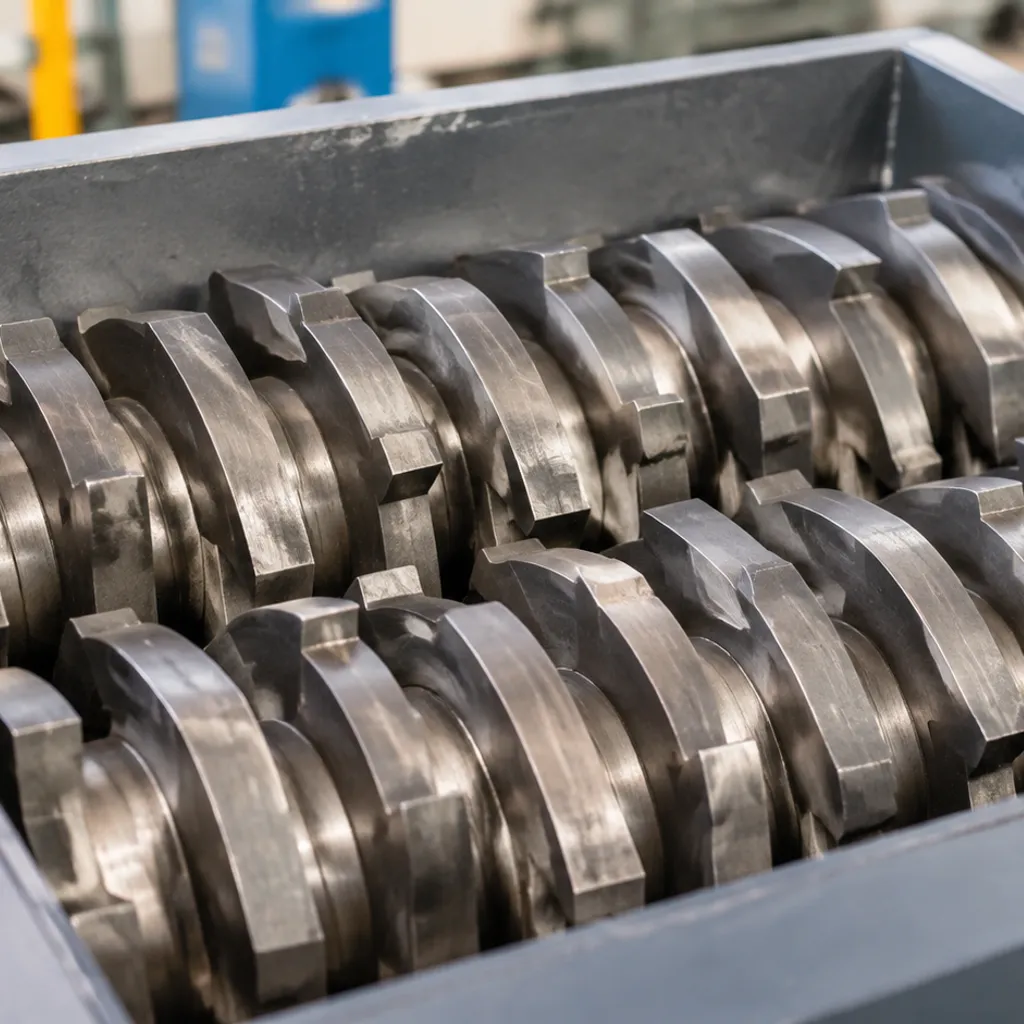
The efficiency of your shredding process is dictated by how effectively your blades engage with waste streams. Proper blade geometry ensures a clean shear rather than a tear. When angles are optimized:
Reduced Motor Load: Sharp, correctly angled edges slice through plastics with minimal resistance, lowering peak amperage draw.
Optimal Throughput: Precision-engineered teeth maximize the "grab" on plastic materials, ensuring consistent feeding and preventing surging.
Energy Savings: Efficient cutting reduces the duration of the shredding cycle per load, directly impacting your bottom line.
Impact on Maintenance and Downtime
Reliability in an industrial setting is defined by uptime. Subpar plastics shredder blade design is the leading cause of premature machine fatigue. When blades lack the correct clearance or edge hardness, they dull rapidly, leading to increased friction, heat build-up, and potential machine jamming. By prioritizing high-grade, precision-manufactured blades, you extend the intervals between sharpening and maintenance cycles, keeping your facility running at peak performance without the constant interruption of component failure.
Critical Geometries for Plastic Shredder Blade Design
Cutting Angles and Bevels
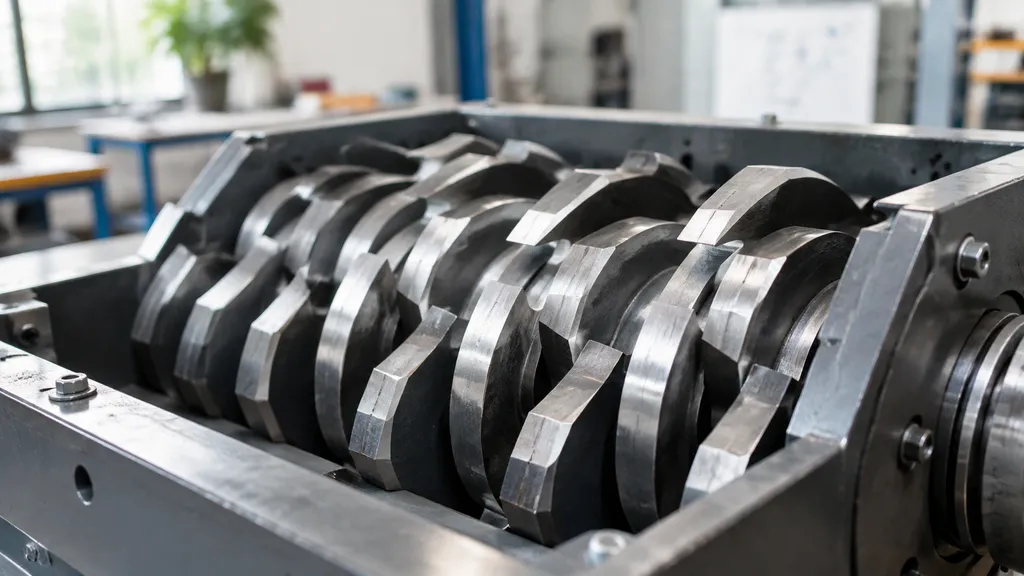
The bevel angle serves as the primary contact point between the knife and the plastic.
Hard Plastics: Require a more robust, obtuse bevel angle to prevent edge chipping when encountering rigid materials.
Soft Films: Benefit from a sharper, acute angle that allows for clean shearing, reducing the energy required to pull the material through the rotor.
For specialized guidance on matching your blade edge to the material, see our PET bottle crusher blade design guide for efficient cutting.
Claw Design and Grabbing Efficiency
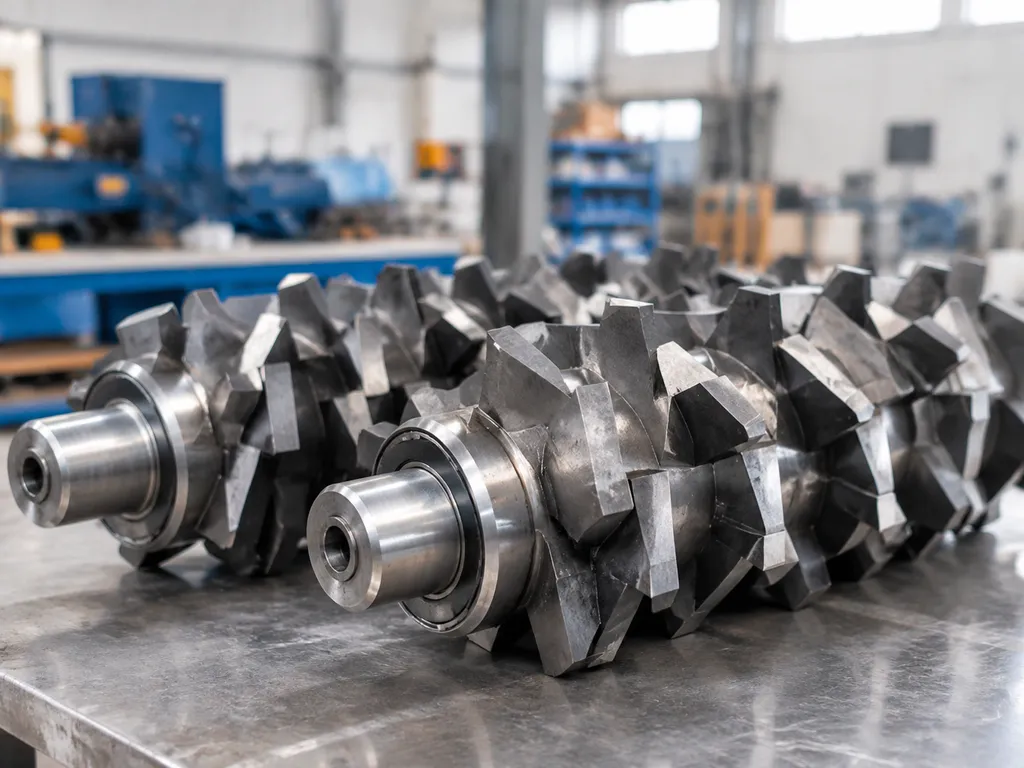
The "hook" or claw design of a shredder blade dictates how effectively the rotor grabs material. A more aggressive hook increases the bite of the shredder, pulling bulky waste into the cutting chamber with minimal slippage. However, excessive aggression can lead to motor strain, so we balance this by tailoring the tooth profile to match your machine's torque capacity.
Tip-to-Tip vs. Tip-to-Face Clearance
Managing the gap between blades is the most effective way to prevent jamming and ensure consistent output size.
Tip-to-Tip: Ideal for shear-cutting applications where precision is required for uniform particle size.
Tip-to-Face: Provides a broader cutting surface that can handle high-volume intake, often used in heavy-duty primary shredders to reduce the risk of material wrapping around the shaft.
Proper clearance management is vital, as an improper gap often leads to plastic "smearing" or wrapping, which significantly increases power consumption and equipment wear.
Material Science and Selecting the Right Steel
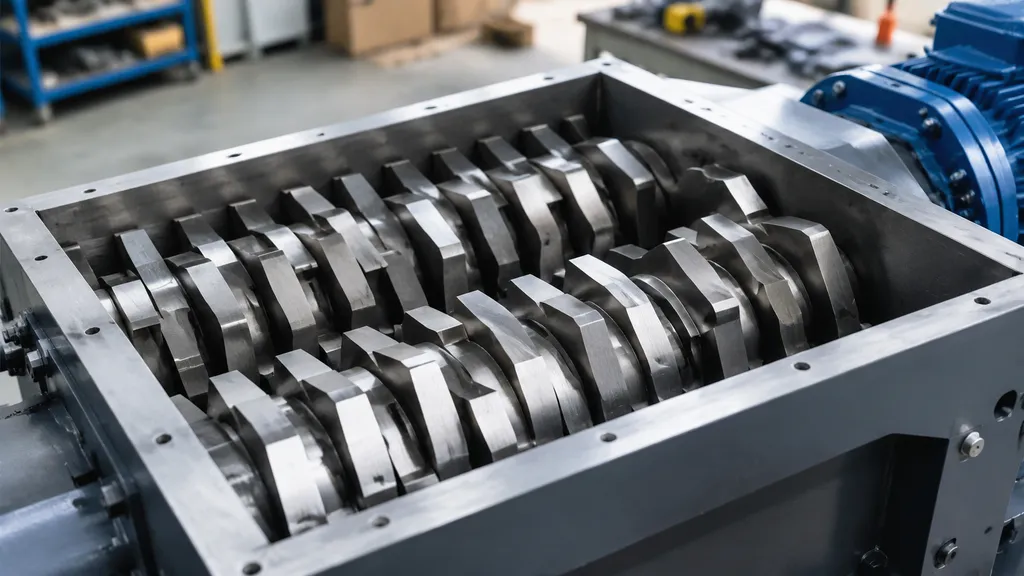
In high-throughput recycling environments, standard steel grades consistently fail due to premature dulling, chipping, and catastrophic blade failure. Industrial plastic shredding requires materials that can handle constant abrasive contact while maintaining a sharp cutting edge. We prioritize the use of high-grade alloy steels, such as D2 and A8, which offer the superior edge retention necessary for demanding waste management applications.
Achieving a balance between impact toughness and wear resistance requires more than just high-quality raw material; it demands expert processing. We utilize specialized heat treatment protocols to ensure the steel can withstand the sudden shocks of shredding dense plastic without becoming too brittle. Proper heat treatment for D2 steel blades is critical to maximizing the life of your equipment and ensuring consistent throughput. By matching the correct alloy to your specific material stream—whether you are processing PET bottles or heavy-duty industrial waste—we help you significantly reduce downtime and replacement frequency.
Custom vs. OEM Shredder Knives
Standard factory knives are designed for general utility, not your specific recycling challenges. When operating at industrial scale, targeted plastic shredder blade design makes the difference between consistent output and frequent, costly downtime. We build cutting tools that either replicate original equipment specifications or upgrade them to overcome the typical bottlenecks of stock components.
Limitations of One-Size-Fits-All Shredder Parts
Factory-installed cutters are built to handle average scrap, which presents several problems in demanding recycling plants:
- Excessive Edge Wear: Processing abrasive plastics quickly rounds standard edges, driving up motor load.
- Material Wrapping: Generic profiles struggle to grab and sever thin films, leading to shaft wraps and blockages.
- Non-Uniform Regrind: Mismatched geometries generate high fines and irregular particle sizes, lowering yield value.
When you need an exact replacement or an upgraded profile, choosing high-performance OEM industrial knives ensures proper fit while addressing the premature wear typical of stock parts.
Improving Yield for Specific Waste Streams Through Custom Blade Design
Every scrap material reacts differently under shear stress. Upgrading your plastics shredder blade design allows us to tailor the cutting edge directly to your throughput requirements:
- Rigid Purgings & Thick Scrap: Heavy-duty hook profiles and blunt bevel angles deliver high impact toughness without chipping.
- Film, Fibers, and Flexible Packaging: Razor-sharp shearing edges draw material in and cut cleanly without pulling or jamming.
- Contaminated Regrind: Reinforced wear-resistant alloy tool steels withstand foreign particulate without immediate dulling.
For multi-rotor systems, integrating custom double shaft shredder blades guarantees that tooth count, throat depth, and hook angles pull and shred your specific feedstock cleanly.
Maintaining Tight Tolerances with Precision CNC Manufacturing
Custom knife engineering only succeeds when execution matches design. We utilize advanced CNC machining for industrial blades to hold exacting tolerances on every batch:
- Precise Bolt-Hole Alignment: Ensures rapid, drop-in replacement with zero mounting play or rotor balance issues.
- Uniform Edge Geometry: Maintains an exact cutting gap across the entire shaft, minimizing motor strain and energy consumption.
- Predictable Clearances: Tight dimensional control keeps tip-to-tip and tip-to-bedknife clearances consistent to eliminate bypass and machine jamming.
Maintenance Best Practices for Shredder Blades
Recognizing Signs of Blade Dullness
Early detection of wear prevents catastrophic mechanical failure. Keep an eye out for these indicators:
Increased Motor Load: If your shredder runs at a higher amperage than usual, it indicates the blades are tearing rather than shearing the material.
Irregular Particle Size: Inconsistent output or an increase in "fines" suggests a loss of edge sharpness.
Audible Indicators: Excessive vibration or a change in the pitch of the shredding process often points to chipped or rounded cutting edges.
Importance of Scheduled Re-sharpening
Regular sharpening schedules are vital for maintaining the integrity of your multi-blade slitter knife or shredder rotor sets. Letting blades run too long in a dull state creates a "mushroom" effect on the edge, which requires more material to be ground away during refurbishment, effectively shortening the total service life of the blade.
Pro-Tips for Gap Adjustment
Proper blade clearance is the foundation of efficient cutting. Adjusting your gap periodically based on the material stream is essential:
Maintain Tight Tolerances: Use precision gauges to ensure the gap between rotor and stator blades remains within OEM or custom specifications.
Consistency is Key: A uniform gap across the entire rotor length prevents localized jamming and premature wear on specific blade sections.
Follow Installation Guidelines: Refer to professional laminate slitter blade installation guides to ensure your setup is perfectly aligned for your specific plastic waste stream.
By prioritizing regular inspection and precise gap adjustments, you ensure that your investment in heavy-duty knives delivers high-performance results throughout their extended operational life.
FAQs About Plastic Shredder Blade Design
How often should shredder blades be sharpened for optimal performance?
Sharpening intervals depend directly on your material stream and daily operating hours. Uncontaminated, clean plastics allow blades to run for several hundred production hours, whereas abrasive materials or post-consumer scrap accelerate edge wear. We recommend tracking motor amperage and particle consistency rather than relying solely on fixed calendar intervals. Switching to wear-resistant shredder blades engineered with durable alloy steels helps extend the duration between scheduled regrinds and protects your cutting shafts from excessive mechanical stress.
What is the best steel material for recycling contaminated plastic waste?
Contaminated plastic streams containing dirt, sand, or foreign matter demand an optimal balance between wear resistance and shock resistance.
- High-Carbon, High-Chromium Alloys (such as D2): Ideal for abrasive resistance when processing clean or lightly contaminated plastics.
- Modified Tool Steels (such as A8): Better suited for contaminated streams because they provide superior impact toughness, preventing the cutting edge from chipping when hitting foreign particulates.
Our specialized heat-treatment processes allow our industrial shredder knives to maintain high surface hardness while retaining the core toughness needed to survive tough recycling conditions.
Why does my shredder jam when processing thin film plastics?
Film shredding failures almost always stem from incorrect blade cutting clearance or an improper cutting angle. In effective plastics shredder blade design, flexible materials require a precise scissor-action shear.
- Excessive Clearance: Wide gaps between rotor and counter knives cause flexible films to fold and pull into the clearance rather than shear cleanly.
- Film Wrapping: Once material pinches between the knives, it winds tightly around the cutting shaft, bogging down the drive system.
- Aggressive Bevels: Using sharp shear angles and tight clearances eliminates bunching and ensures clean, rapid throughput.
Does blade gap size significantly affect energy consumption?
Yes. Blade clearance directly dictates cutting efficiency. When the clearance widens past optimal tolerances, the machine stops cleanly slicing and begins tearing or pinching the feed. This mechanical resistance forces the drive motor to draw significantly more amperage to push through each rotation. Proper plastic shredder blade design focuses on holding tight, consistent cutting gaps to keep motor loads low, decrease power consumption, and maintain consistent output size.