
Formula details
Product Details
Overview
Metal Shredder Blade Options
Industrial Blade Types and Cutter Disc Configurations
Different shredding technologies require specific cutter geometries to maintain throughput and uniform sizing:
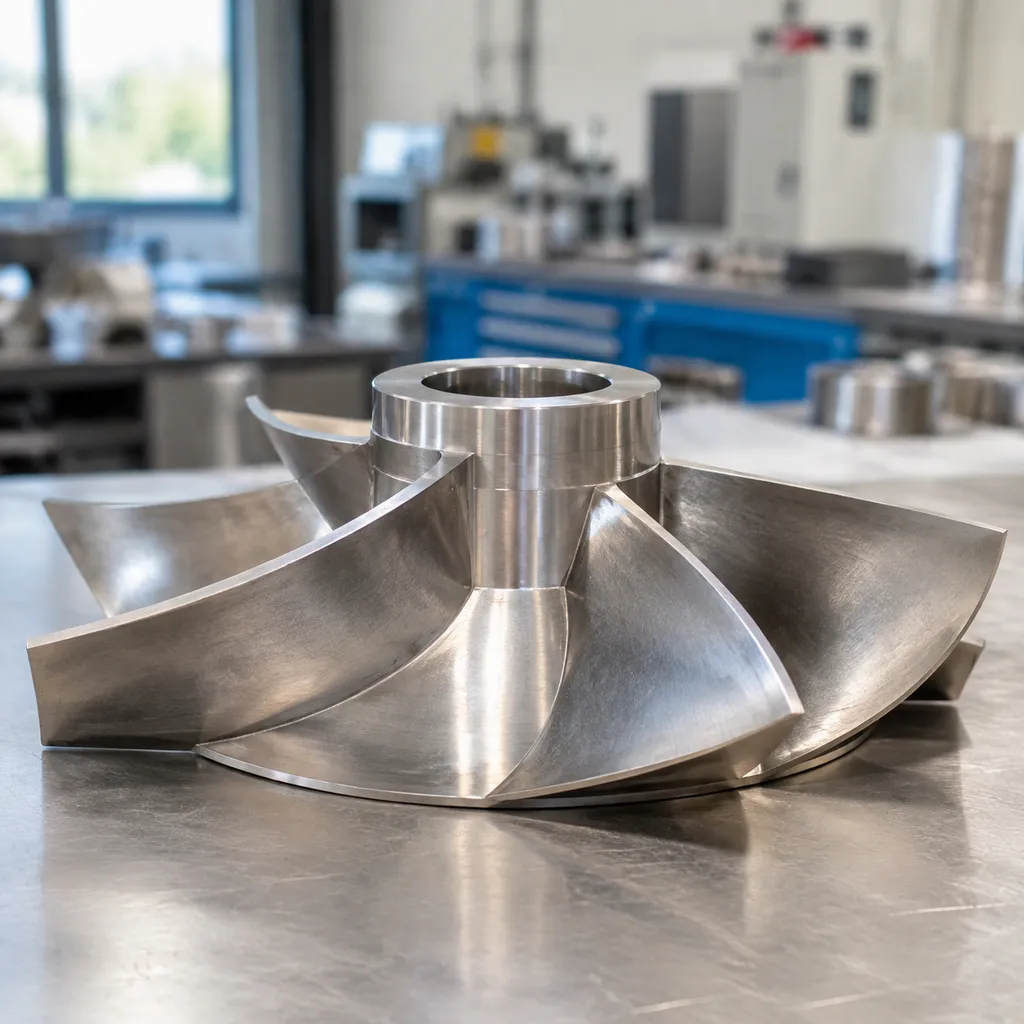
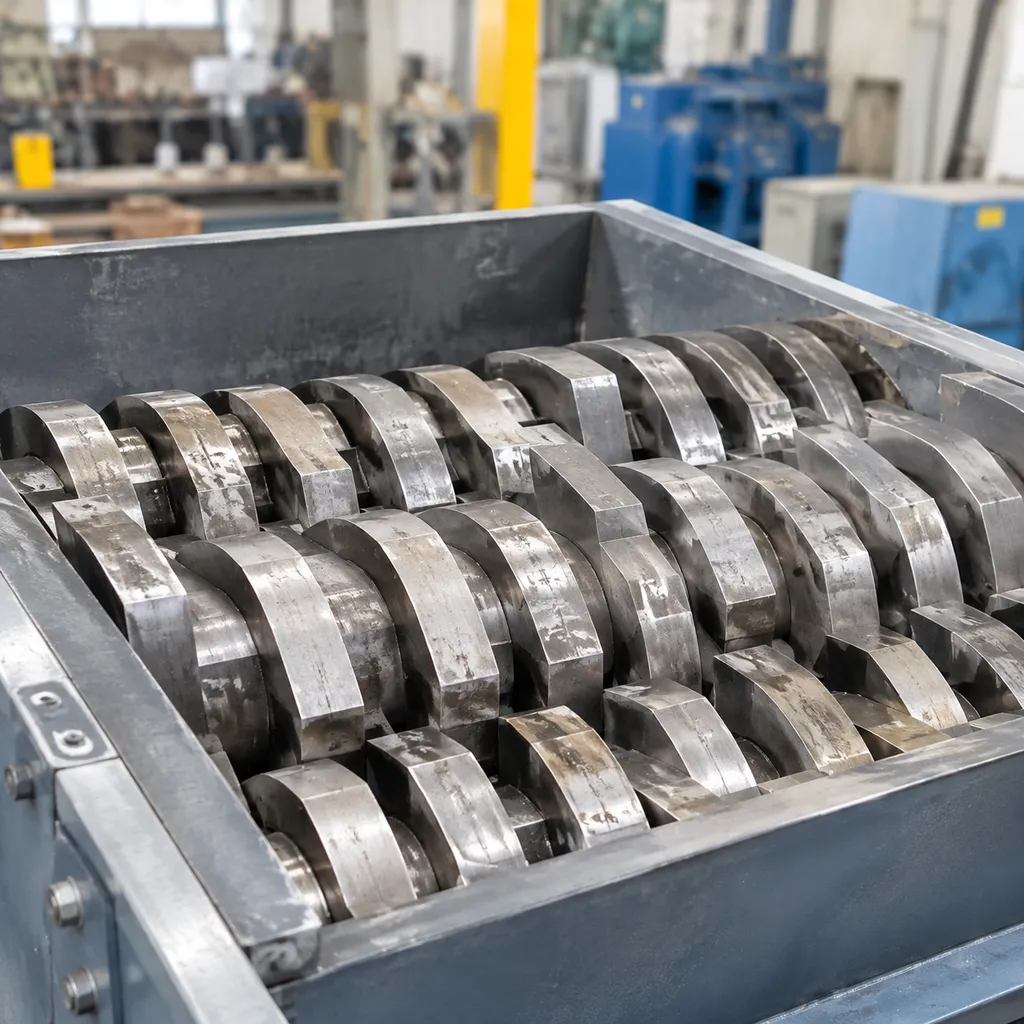
- Rotary Shear Cutter Discs: Multi-claw and single-hook disc profiles designed to hook, tear, and shear tough metal feeds.
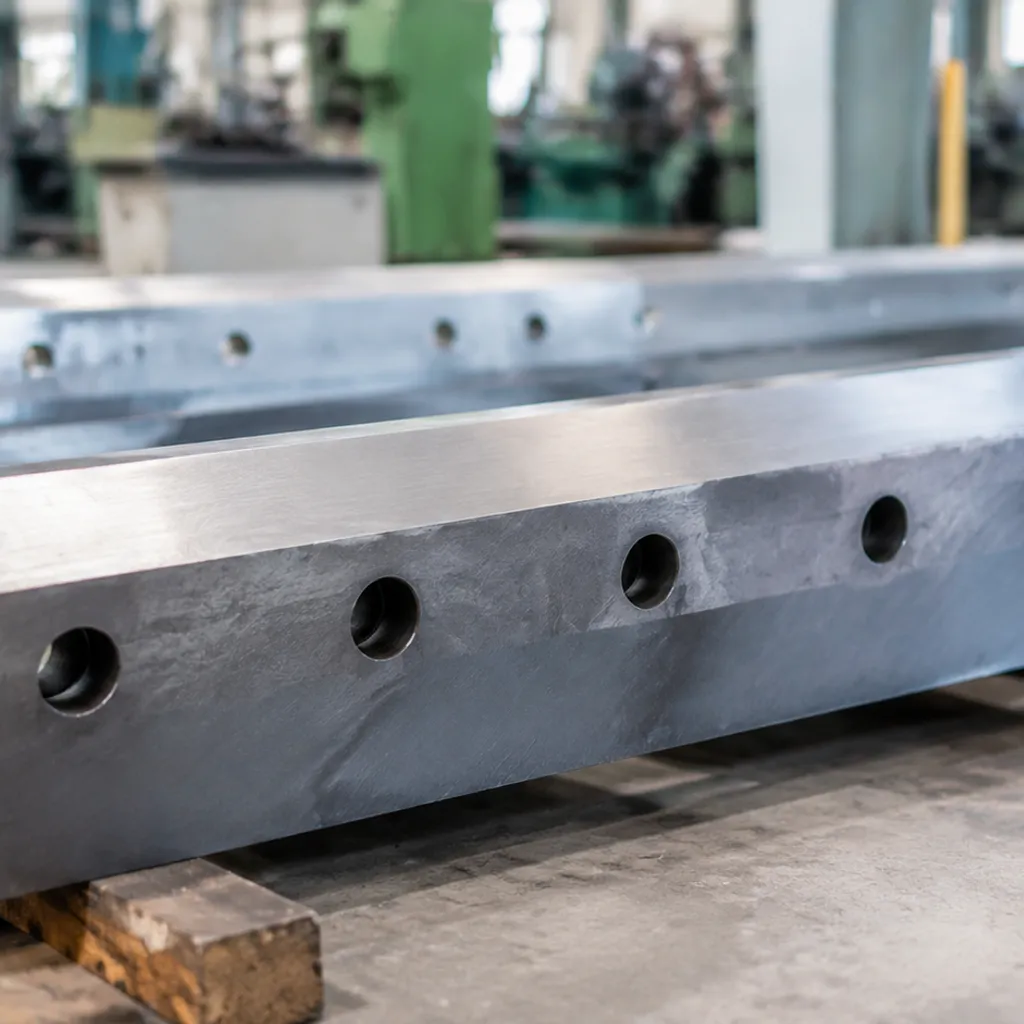
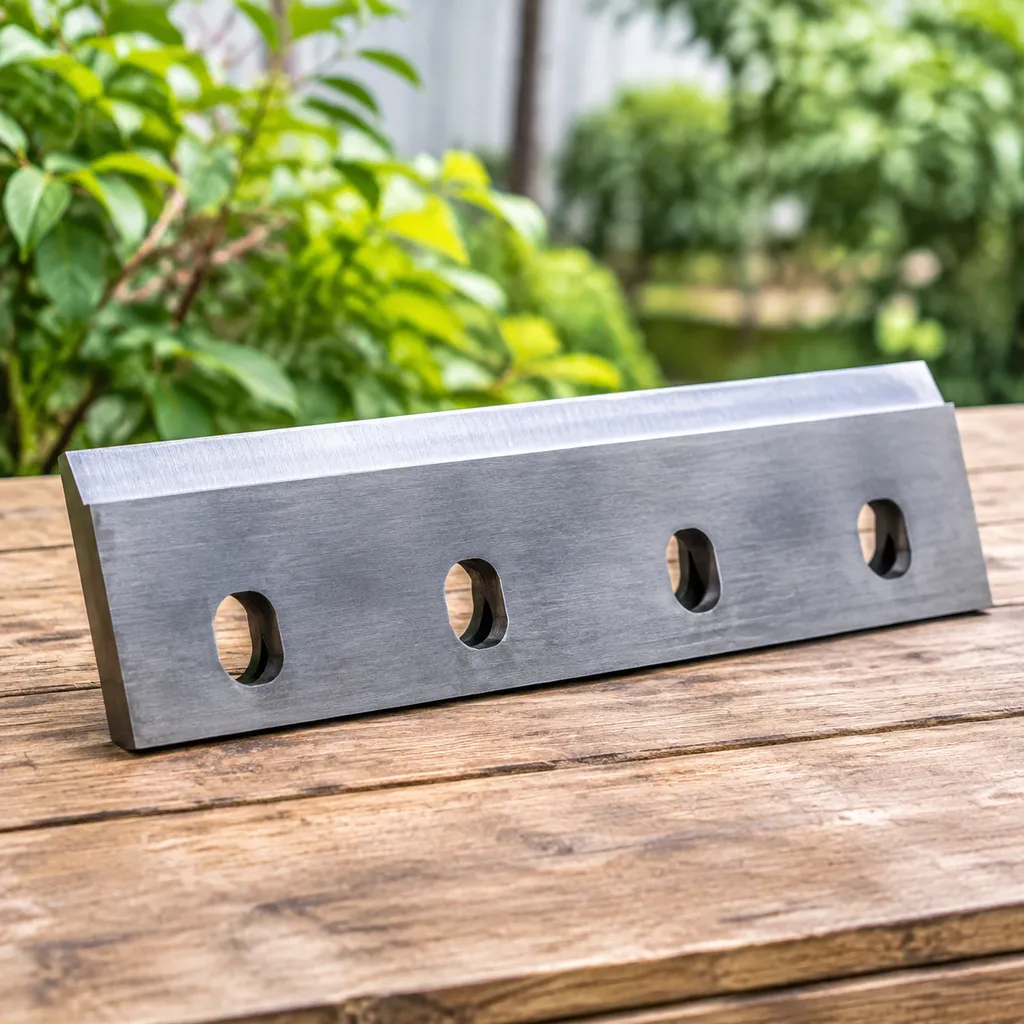
- Counter Knives and Bed Blades: Stationary cutting edges precision-ground to maintain tight shear clearances with rotating assemblies.
- Segmented Shredder Inserts: Bolt-on cutting blocks designed for rapid replacement in high-wear zones without removing entire shafts.
- Spacers and Cleaning Fingers: Hardened wear components that maintain blade spacing and prevent material buildup between discs.
| Shredder Configuration | Operating Characteristics | Primary Blade Profile |
|---|---|---|
| Single-Shaft Shredders | High-speed reduction with hydraulic ram feed | Square, concave, or flat bolt-on rotor inserts |
| Twin-Shaft (Double-Shaft) | High-torque, low-speed shearing action | Multi-tooth cutter discs, interlocking hooks |
| Quad-Shaft Shredders | Controlled particle sizing with integrated screens | Staggered cutter discs with auxiliary sweep blades |
Single-Shaft and Twin-Shaft Shredder Setups
We align our blade designs with your machine setup:
- Single-Shaft Setups: Focused on continuous, high-speed cutting. Our single-shaft shredder blades feature multiple indexing edges, allowing operators to rotate worn corners before full replacement is required.
- Twin-Shaft Setups: Built for counter-rotating shear forces. Our twin-shaft shredder blades utilize precision keyways, specific hook heights, and matched cutter disc widths to ensure balanced load distribution across both drive shafts.
Custom-Machined and Direct Replacement Blades
We provide both direct replacement shredder knives and custom-machined tooling:
- OEM-Standard Replacements: Precision drop-in dimensions matching major industrial shredder brands and legacy machine profiles.
- Custom CNC Fabrication: Tailored blade thickness, hook profiles, and bolt hole patterns manufactured directly from physical samples or CAD drawings to resolve specific operational wear issues.
Applications and Materials Processed
Scrap Metal Processing and Recycling Operations
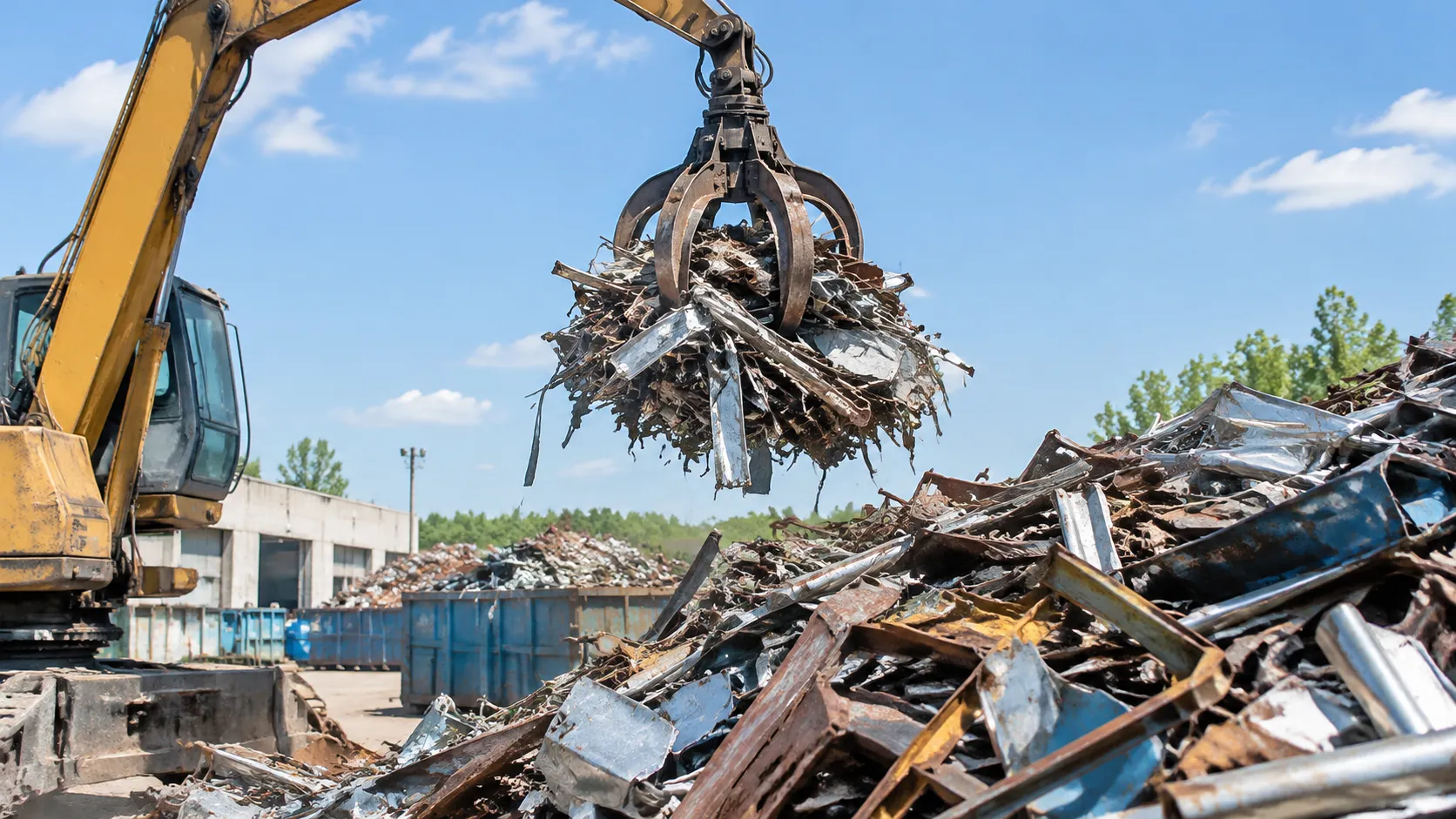
General scrap yards handle unpredictable bulk feeds that demand high shock resistance. We configure our scrap metal shredder blades for continuous duty across primary reduction and secondary sizing systems.
- Mixed Ferrous Scrap: Heavy-gauge plate, rebar, drum containers, and structural steel offcuts.
- Baled and Bulky Materials: High-density bales requiring sharp, aggressive hooked profiles to bite and shear without stalling the drive shafts.
- Industrial Turnings and Borings: Continuous metal ribbons and stampings that require precise knife-to-knife clearances to avoid jamming.
Automotive Scrap and End-of-Life Vehicle (ELV) Materials
Processing automotive scrap places severe stress on cutting edges. We manufacture heavy-duty shredder blades capable of biting through stamped sheet metal, structural assemblies, and mixed body sections.
- Vehicle Body Panels and Frames: High-tensile automotive sheet steel and frame sections processed through high-torque, low-speed shredders.
- Engine and Drivetrain Castings: Pre-stripped aluminum and light-alloy housings that need fracture-resistant cutting edges.
- Auto Shredder Residue (ASR): Mixed rubber, wire harnesses, interior trim, and embedded metal fasteners requiring clean, scissor-action shearing.
Aluminum Scrap, Extrusions, and Non-Ferrous Metals
Non-ferrous materials present distinct processing challenges, including galling, material wrap, and edge buildup. Selecting the appropriate crusher blade materials prevents premature edge wear and keeps shredder output consistent.
- Aluminum Profiles and Extrusions: Window profiles, architectural cutoffs, and structural shapes processed with clean shear cuts.
- Used Beverage Cans (UBC): High-volume baled or loose cans sheared to specified scrap-density targets.
- Copper and Brass Scrap: Radiators, copper busbars, wire bundles, and plumbing brass requiring high-wear tool steels to resist abrasive rubbing.
Electronic Waste and Light Metal Processing
Electronic scrap (e-waste) and light-gauge metals demand tight tolerances to separate materials cleanly without dragging thin components through the cutting chamber.
- White Goods and Light Gauges: Washing machines, refrigerators, and ductwork requiring aggressive metal shredding blades that collapse bulky shells.
- WEEE and Circuit Assemblies: Server chassis, computer cases, and power supplies with embedded mounting brackets.
- Electric Motors and Alternators: Small electric motors ("meatballs") processed for copper recovery, requiring heavy shock-resistant cutting hooks.
Specifications and Compatibility Checks for Metal Shredder Blades
Getting the exact fit for every metal shredder blade is critical to avoid rotor vibration, uneven wear, and catastrophic shaft damage. We verify all physical dimensions against your equipment's original engineering tolerances before manufacturing your replacement shredder knives.
Key Blade Dimensions and Mounting Profiles
Rotary shear shredders and heavy-duty reduction machines depend on tight axial spacing and zero rotational slop. Much like our precision engineering principles applied to plastic shredder blade design for high performance, our metal processing knives are built to hold strict mounting tolerances:
- Hexagonal and Splined Bores: Designed to lock securely on multi-shaft machines, preventing slippage under sudden high-torque shock loads.
- Keyed Round Bores: Machined with precise broached keyways to eliminate rotational play.
- Hook Profiles: Single-hook, multi-claw, and offset rotary shear teeth optimized for continuous metal grabbing and shearing.
- Integrated Spacers and Cleaning Fingers: Matched face-to-face to maintain continuous cutting clearance and prevent thin scrap wrap-around.
OEM Machine Compatibility and Cross-Referencing
We supply direct-fit scrap metal shredder blades and counter-knives compatible with major domestic and international shredder brands. Whether you operate stationary dual-shaft shredders, high-speed single-shaft reduction systems, or mobile scrap processing plants, we cross-reference OEM part numbers and verify physical shaft geometries to ensure seamless drop-in replacements.
Required Specifications for Accurate Fit Checks
To guarantee absolute compatibility with your rotor setup, we measure and verify five core geometric parameters:
| Parameter | Measurement Focus | Operational Impact |
|---|---|---|
| Outer Diameter (OD) | Total tip-to-tip cutting diameter | Governs throat engagement, cut size, and bed knife clearance |
| Bore Profile & Size | Hex across-flats, spline spec, or round ID with keyway | Ensures positive shaft lock and eliminates rotational play |
| Blade Thickness | Precision ground face-to-face width | Controls knife overlap and axial stack-up clearance across the shaft |
| Tooth Count & Geometry | Hook angle, count, and relief clearance | Determines scrap feeding rate, bite aggressiveness, and tear strength |
| Mounting Bolt Patterns | Center-to-center hole spacing and counter-bore depth | Guarantees exact alignment on replaceable insert and counter-knife holders |
Blade Material and Manufacturing Standards
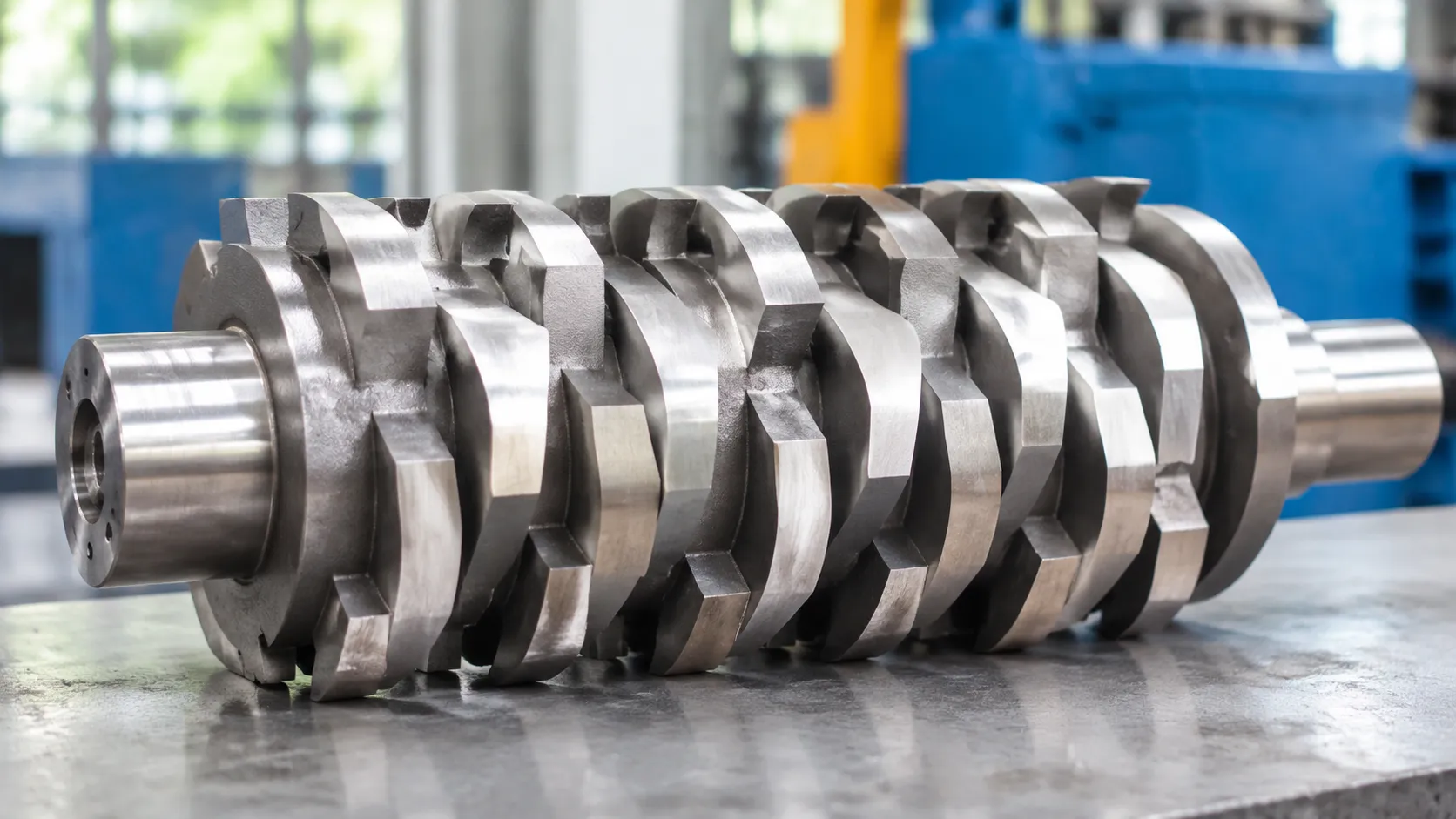
A long-lasting metal shredder blade starts with selecting the right raw material and applying controlled thermal processing. We match specific tool steels and heat-treating cycles directly to your shredding environment to prevent premature chipping, edge rolling, and unexpected blade breakage.
High-Grade Alloy Tool Steels and Material Selection
We select proven manufacturing materials formulated to withstand high-torque shearing, abrasive friction, and heavy impact:
- D2 / 1.2379: High carbon, high chromium cold-work tool steel. Delivers excellent wear resistance for secondary metal shredding and non-ferrous processing.
- H13 / 1.2344: Hot-work steel offering superior impact toughness and thermal fatigue resistance, ideal for heavy primary shredders handling contaminated scrap.
- Modified Shock-Resistant Alloys: Engineered for extreme-impact operations where reducing catastrophic blade cracking takes priority over pure edge wear.
Precision Machining and Vacuum Heat Treatment
Every industrial metal shredder blade undergoes multi-axis CNC machining to achieve strict dimensional accuracy before entering thermal processing.
Our computer-controlled vacuum heat-treating cycles ensure deep, uniform core transformation without surface decarburization. Controlled tempering steps relieve internal stresses, balancing surface hardness with internal toughness so the cutting teeth absorb continuous shock loads. Precise heat treatment processes ensure our blades maintain their structural integrity during tough shredding runs.
Hardness Tolerances and Material Certifications
Every batch is verified against strict metallurgical standards before finishing:
| Steel Grade | Typical Hardness Range | Primary Strengths | Best Fit Application |
|---|---|---|---|
| D2 / SKD11 | 56–60 HRC | High wear resistance, sharp edge retention | Aluminum, electronic scrap, light steel scrap |
| H13 / SKD61 | 50–54 HRC | Maximum toughness, high resistance to thermal shock | Mixed scrap metal, end-of-life auto parts |
| S7 / Shock-Resistant | 52–56 HRC | Superior structural impact resistance | High-impact primary shredding operations |
All metal shredder blades come with full material traceability and certified inspection reports, ensuring the chemical composition and HRC hardness match your order specifications.
Wear Factors and Service Life Management
Primary Causes of Cutting Edge Wear and Damage
Cutting edges rarely fail without warning. Pinpointing wear mechanisms early prevents catastrophic tooth breakage and expensive secondary damage:
- Abrasive Friction: Constant interaction with dirt, sand, oxidized scales, and metal fines gradually rounds cutting edges and wears down hook profiles.
- Impact Fracturing: Heavy tramp iron, solid steel shafts, or unshreddables cause localized stress concentrations, leading to micro-chipping or broken blade teeth.
- Thermal Softening: Excessive frictional heat generated during severe shearing cycles can exceed tempering limits, lowering edge hardness and accelerating edge breakdown.
- Clearance Widening: Progressive side wear on spacers and cutter faces widens the cutting tolerance, transforming clean shearing action into tearing, wedging, and shaft deflection.
Routine Inspection Protocols and Wear Indicators
We advise establishing systematic shift checks to track cutter health before processing efficiency drops:
- Edge Radius Rounding: When cutting edge radius exceeds 3 mm to 5 mm, cutting resistance increases significantly, causing amp spikes on the drive motor.
- Hook and Tip Deformation: Inspect the leading tooth hooks for mushrooming, micro-cracks along the root, or material buildup adhering to the side faces.
- Axial Clearance Verification: Regularly measure the gap between interleaved twin-shaft shredder blades using feeler gauges to ensure counter-knives pass cleanly without lateral rubbing.
Maintenance Practices to Maximize Operational Life
Implementing structured maintenance routines lowers your total operating cost-per-ton and delays full shredder blade replacement cycles:
- Maintain Shaft Clamping Torque: Check lock-nuts and tie-rod tension regularly. Loose stacks allow individual blades to cock, leading to catastrophic face galling.
- Pre-Sort Feedstock: Screen out non-shreddable thick slabs and massive solids before loading to protect cutting hooks from blunt-force shock.
- Scheduled Regrinding: Resharpen cutting profiles before severe rounding occurs to minimize the material removed per grind. Much like routine servicing on a high-strength crusher machine blade, maintaining sharp cutting geometry reduces operating temperatures and hydraulic strain.
- Rotational Blade Staging: Move high-wear center blades toward the shaft ends during routine service to balance overall wear distribution across the entire rotor assembly.
Quality Control and Inspection Processes for Every Metal Shredder Blade
Unexpected downtime eats into operational margins. Every metal shredder blade we produce goes through strict verification steps to ensure it arrives ready to install and perform without premature failure. Our manufacturing team adheres to comprehensive manufacturing and quality control protocols across every production run.
Dimensional Tolerance Verification and Hardness Testing
Industrial shredder knives require exact tolerances to maintain proper clearance along the cutting shaft. We measure and document all critical dimensions before dispatch:
- Mounting and Bore Geometry: Keyways, hex bores, and bolt-hole circles are checked against original technical drawings to eliminate shaft-fit issues.
- Cutting Profiles: Thickness, outer diameter, and hook angles on shredder cutter discs are verified to maintain correct intermeshing tolerances.
- Hardness Uniformity: We run multi-point Rockwell hardness tests across both the core and cutting edges. This ensures our scrap metal shredder blades provide consistent wear resistance without being brittle.
| Inspection Check | Method | Target Standard |
|---|---|---|
| Bore Dimensions | Calibrated micrometers / CMM | Tight sliding fit (within specified tolerances) |
| Blade Thickness | Precision digital verniers | Uniform surface parallelism across faces |
| Surface Hardness | Digital Rockwell testing (HRC) | Stable, batch-verified hardness values |
| Edge Geometry | Profile projectors / templates | Clean, burr-free cutting profiles |
Material Composition Validation
A reliable metal shredder blade requires verified raw materials. We confirm the chemical composition of incoming alloy tool steel billets before machining begins. Spectrometric analysis checks essential alloying elements—such as chromium, molybdenum, and vanadium—ensuring the steel matches required grades for high-impact recycling duties.
Traceability and Inspection Documentation
Reliable replacement shredder knives require complete batch accountability:
- Material Mill Certificates: Complete raw material origin reports detailing melt numbers and chemical specifications.
- Heat Treatment Records: Time-temperature documentation confirming vacuum heat-treating cycles.
- Final Inspection Sheets: Comprehensive dimensional and hardness reports matched to individual batch codes.
Each heavy-duty shredder blade receives permanent batch markings, giving plant maintenance teams complete traceability from raw billet to finished cutting tool.
Ordering, Customization, and Lead Times for Metal Shredder Blade Orders
We make procuring standard replacement knives and custom cutter profiles straightforward. Our process focuses on verifying dimensional accuracy upfront so your shredding equipment returns to operation without fitting delays.
How to Request an Accurate Blade Quote
To get a precise quote for your metal shredder blade order, share the following operational details with our team:
- Machine specifications: The shredder make, model, shaft size, and drive setup.
- Key dimensions: Outer diameter, hub thickness, tooth profile, and bore geometry (hexagonal, round, or keyed).
- Target materials: Details on the scrap stream (such as automotive scrap, aluminum profiles, or electronic scrap) to match the right tool steel and hardness.
- Batch requirements: One-off replacement sets for immediate maintenance or standing bulk orders for ongoing plant inventory.
Submitting Technical Drawings and Worn Blade Samples
We fabricate direct-fit shredder blades from original equipment drawings, custom blueprints, or physical parts:
- Technical CAD files: Send drawings in DXF, DWG, STEP, or dimensioned PDF formats for direct quotation and CNC programming.
- Sample parts: If drawings are unavailable, send a worn blade or counter-knife directly to our facility. We perform coordinate measuring and reverse engineering to replicate the exact mounting dimensions and cutting profiles.
Production Lead Times, Volumes, and Shipping
| Order Category | Typical Quantities | Production Lead Time | Handling and Logistics |
|---|---|---|---|
| Standard Replacements | 10 – 40 units | 2 – 3 weeks | Anti-rust oiled, carton-packed, express or standard freight |
| Custom-Machined Blades | Per project spec | 3 – 5 weeks | Protective edge wrapping, reinforced wooden crates |
| Volume Production Runs | 100+ units | 4 – 6 weeks | Palletized ocean or multi-stage scheduled freight deliveries |
Engineering Review and Fit Verification Support
Before running production, our engineering team confirms that every knife matches your rotor specifications:
- Approval drawings: We issue dimensioned fabrication prints for your maintenance team to review and sign off.
- Shaft clearance verification: We check inner bore tolerances to ensure clean mounting without shaft play or binding during high-torque processing.
- Cutting tooth alignment: Hook angles and counter-knife spacing are double-checked against your material stream to prevent premature chipping and excessive drive load.
Frequently Asked Questions About Metal Shredder Blades
How do I identify the correct replacement metal shredder blade?
Check your machine manual for original part numbers or inspect the markings stamped on your current knives. If the markings have worn away, identify your shredder model, shaft profile, and measure the physical dimensions. We cross-reference OEM part numbers and machine makes to determine the exact metal shredder blade geometry required for your cutting chamber.
What information is needed to confirm blade compatibility?
To ensure a precise fit on your shredder shaft, provide the core mechanical dimensions and operational details:
| Parameter | Measurement Needed | Purpose |
|---|---|---|
| Outer Diameter (OD) | Tip-to-tip blade width | Cutting circle and clearance |
| Bore / Inner Profile | Hex, square, or keyed round | Shaft fitment and torque transfer |
| Thickness | Base and tooth width | Spacer matching and knife gap |
| Hook / Tooth Count | Number and shape of hooks | Feed rate and material grab |
| Target Material | Scrap type (aluminum, steel, e-waste) | Steel grade and hardness selection |
Can blades be manufactured from a technical drawing or sample?
Yes. If you operate custom machinery or out-of-production recycling equipment, we manufacture industrial shredder blades directly from customer-supplied 2D/3D CAD files (DXF, DWG, STEP). If drawings are unavailable, you can send a worn blade or clean mating sample to our facility for reverse engineering, dimensional mapping, and profile reproduction.
Which blade types are available for specific shredder configurations?
We supply cutting tools engineered for all primary scrap reduction setups:
Twin-Shaft and Four-Shaft Systems: Heavy-duty double shaft shredder blades and rotary shear cutters designed for high-torque shearing of bulky scrap metal.
Single-Shaft Shredders: Square or rectangular indexable cutting inserts, rotor knives, and stationary counter-knives.
Granulators & Finishing Mills: High-precision flat shear blades and screen-matched cutters.
What steel grades and hardness options are offered?
Material selection matches the abrasive intensity and impact levels of your feedstock:
D2 / 1.2379 / SKD-11: High-carbon, high-chromium tool steel offering maximum wear resistance for light gauge metals, e-waste, and general scrap (58–62 HRC).
Modified Tool Steels (H13 / S7): Shock-resistant grades formulated to resist chipping and tooth breakage when handling unexpected heavy tramp metal or dense castings (52–56 HRC).
Hardened Alloy Steels: High-yield alloys for heavy tear-and-rip rotary shredding applications.
How does feedstock contamination affect blade service life?
Unsorted tramp iron, hardened structural steel, or concrete contamination drastically accelerates wear and introduces severe impact shocks. These conditions cause micro-chipping, hook fracturing, or accelerated edge roll-over. For high-contamination scrap streams, we recommend tougher shock-absorbing tool steels and complete shredder knife box assemblies paired with robust spacers to prevent shaft deflection and premature edge failure.
What quality documentation and material reports are provided?
Every production run is tracked to maintain full accountability. Upon request, we provide:
Material Test Reports (MTR): Verifying the chemical composition of the alloy steel.
Heat Treatment & Hardness Reports: Confirming consistent core and surface HRC values via Rockwell testing.
CMM Dimensional Inspection Sheets: Certifying bore, tooth, and thickness tolerances against approved drawings.
What is the typical quote turnaround and production lead time?
- Standard Quotes: Processed within 24 to 48 hours after receiving technical drawings, machine models, or dimensions.
- Standard Replacement Knives: Stock items ship immediately or within standard delivery schedules.
- Custom & Made-to-Order Blades: Production lead times generally range from 3 to 6 weeks, depending on steel grade availability, CNC machining complexity, vacuum heat treatment schedules, and batch quantities.