
Full-Line Precision Industrial Slitting Knives
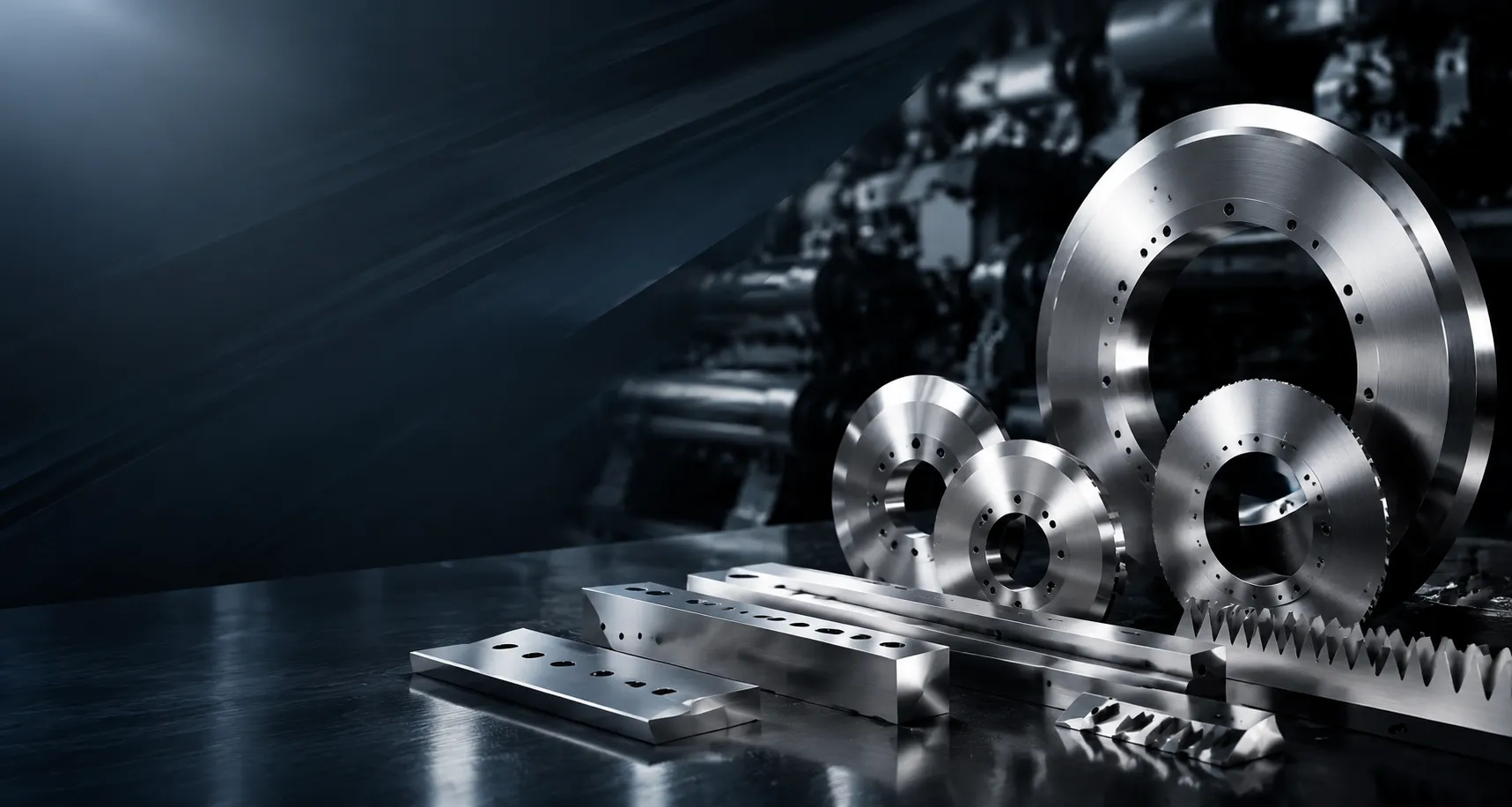
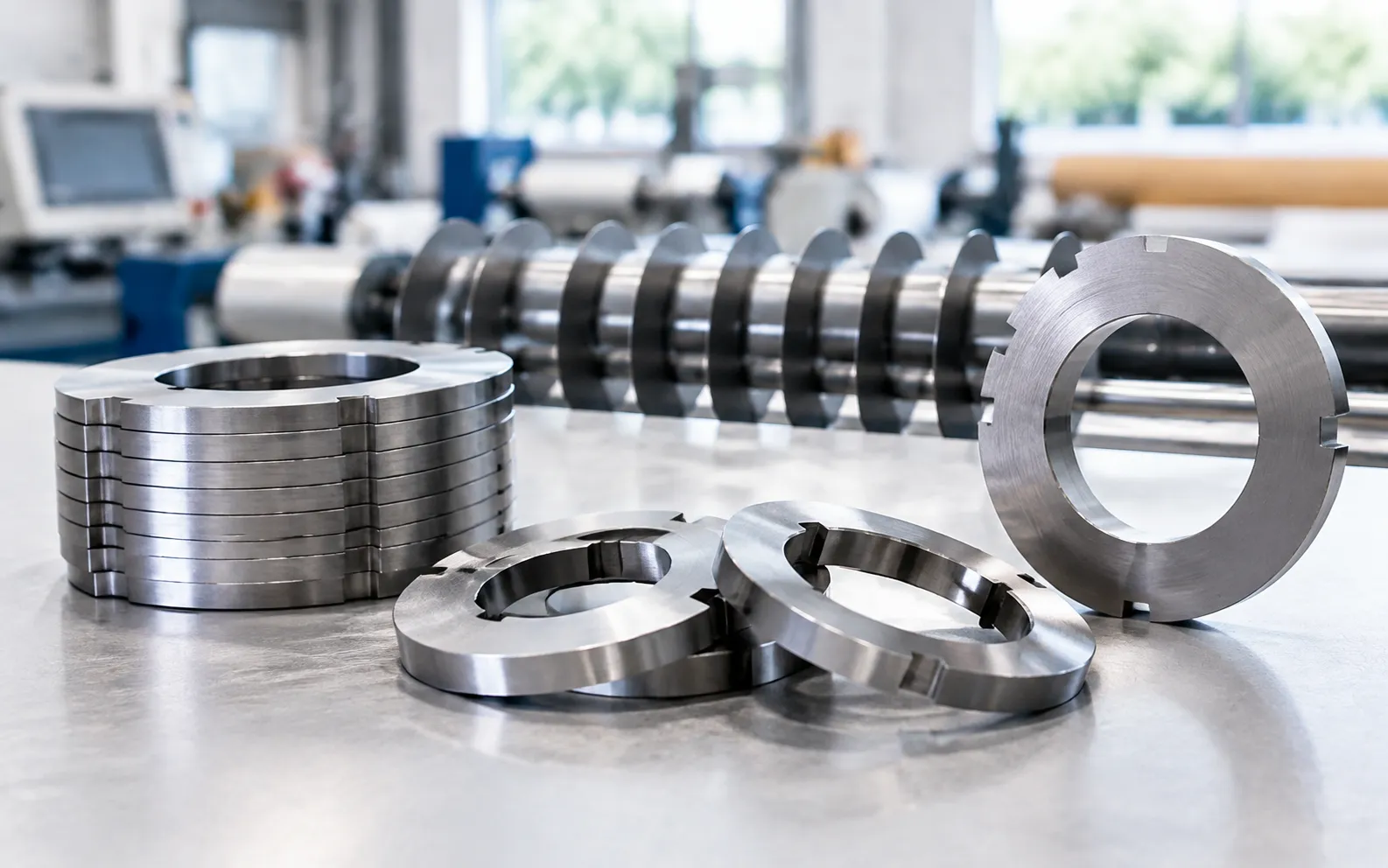
Engineered for demanding web converting applications, Shark Cutting manufactures high-performance industrial slitting blades designed for maximum edge retention and clean, dust-free cuts. From paper, film, and foil to non-wovens and flexible packaging, explore our comprehensive slitting knife products for standard equipment and OEM custom lines.
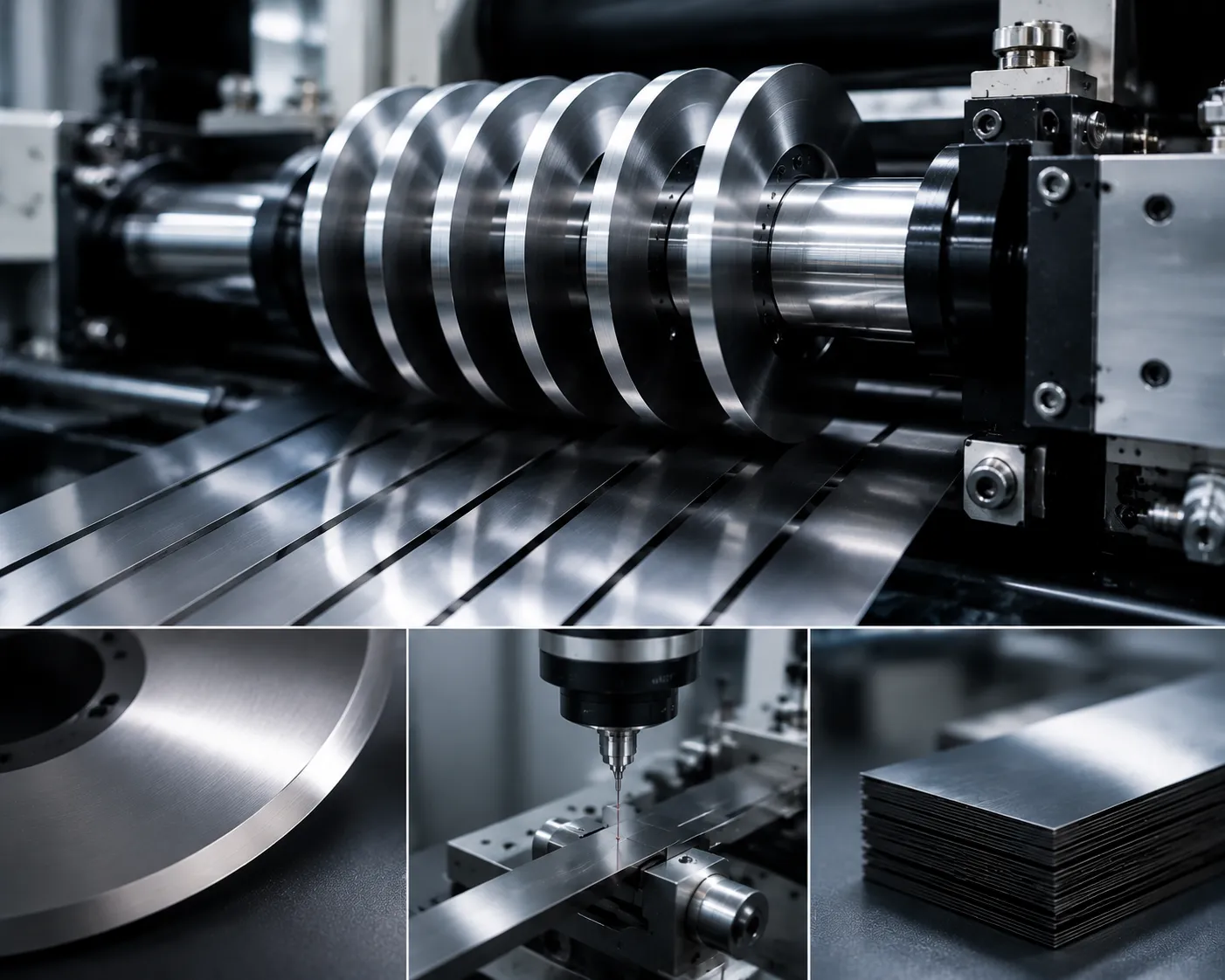
Mirror Finish Grinding
Ultra-Sharp Precision Edge
Extreme Machining Tolerance
Material & Coating Formulations
Countries Supplied Globally
Rapid Technical Support
Choose the Right Slitting Knives by Slitting Process
Selecting the ideal tooling configuration depends on web tension, material density, line operating speeds, and required cut edge quality. At Shark Cutting, we manufacture high-precision standard off-the-shelf blades and engineered custom knife sub-systems tailored to your specific slitting and converting line geometry.
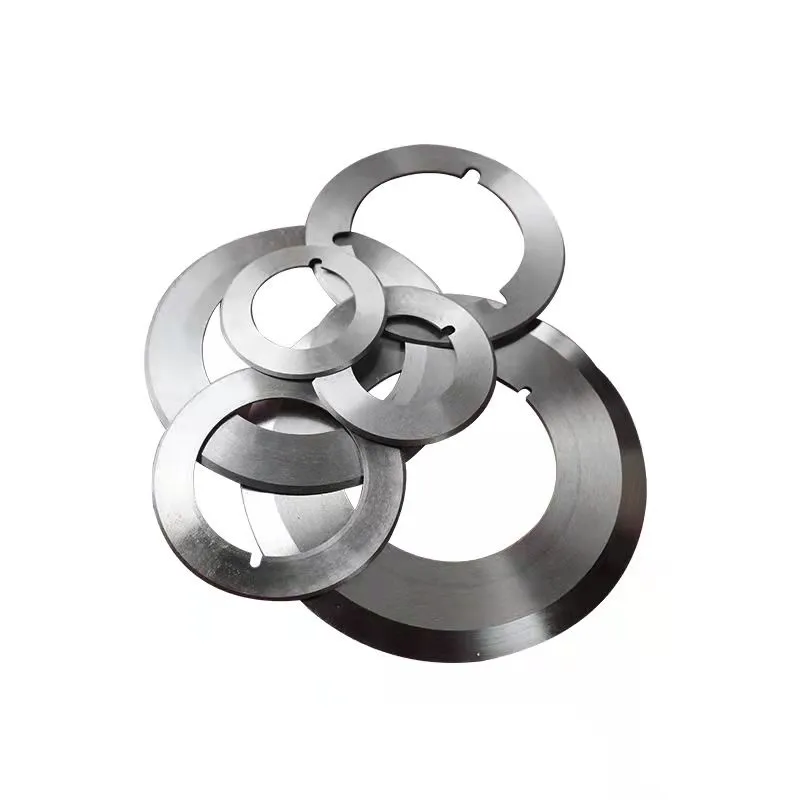
Circular Slitter Knives
Engineered for continuous web edge trimming and high-speed rewinding operations. Supports synchronized top and bottom knife set combinations with precise side-pressure control.
- Optimized bevel profiles reduce paper dust
- Sub-micron runout for vibration-free cutting
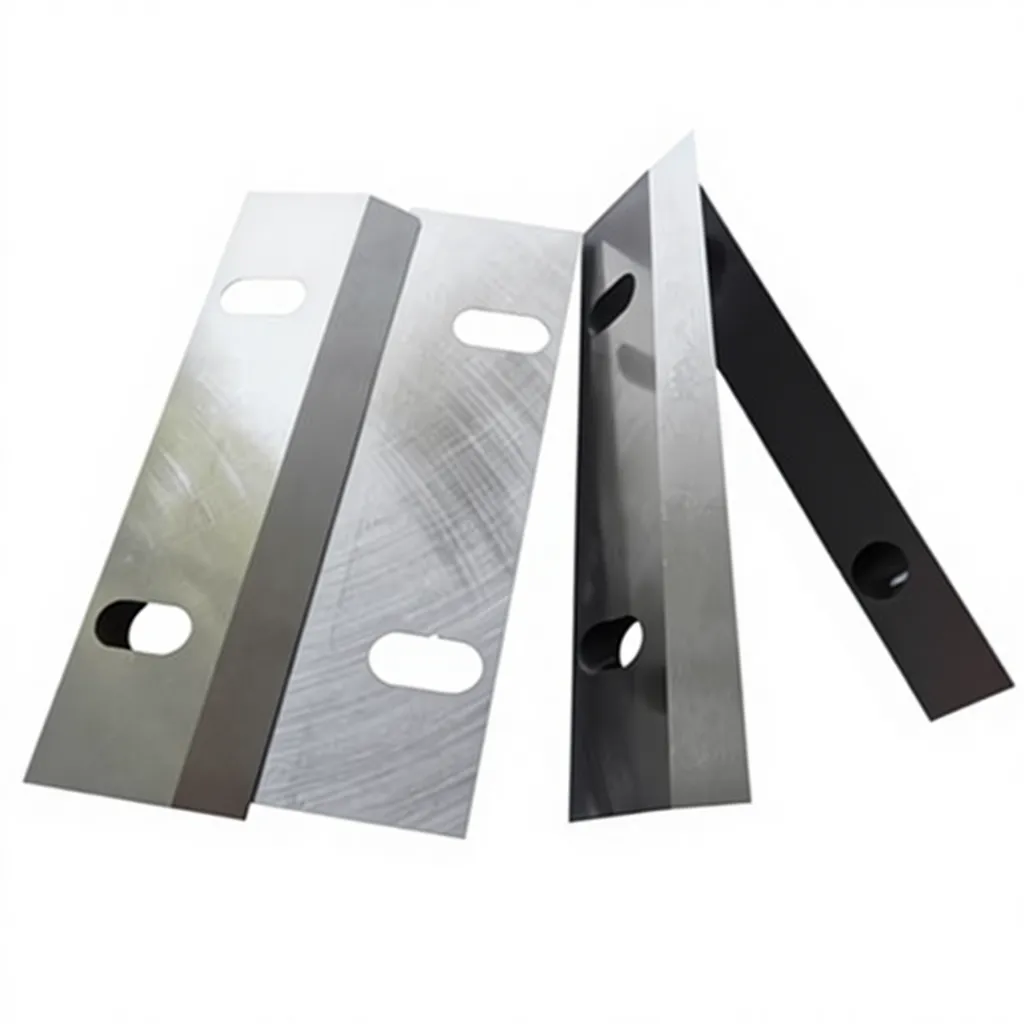 Zero Burr
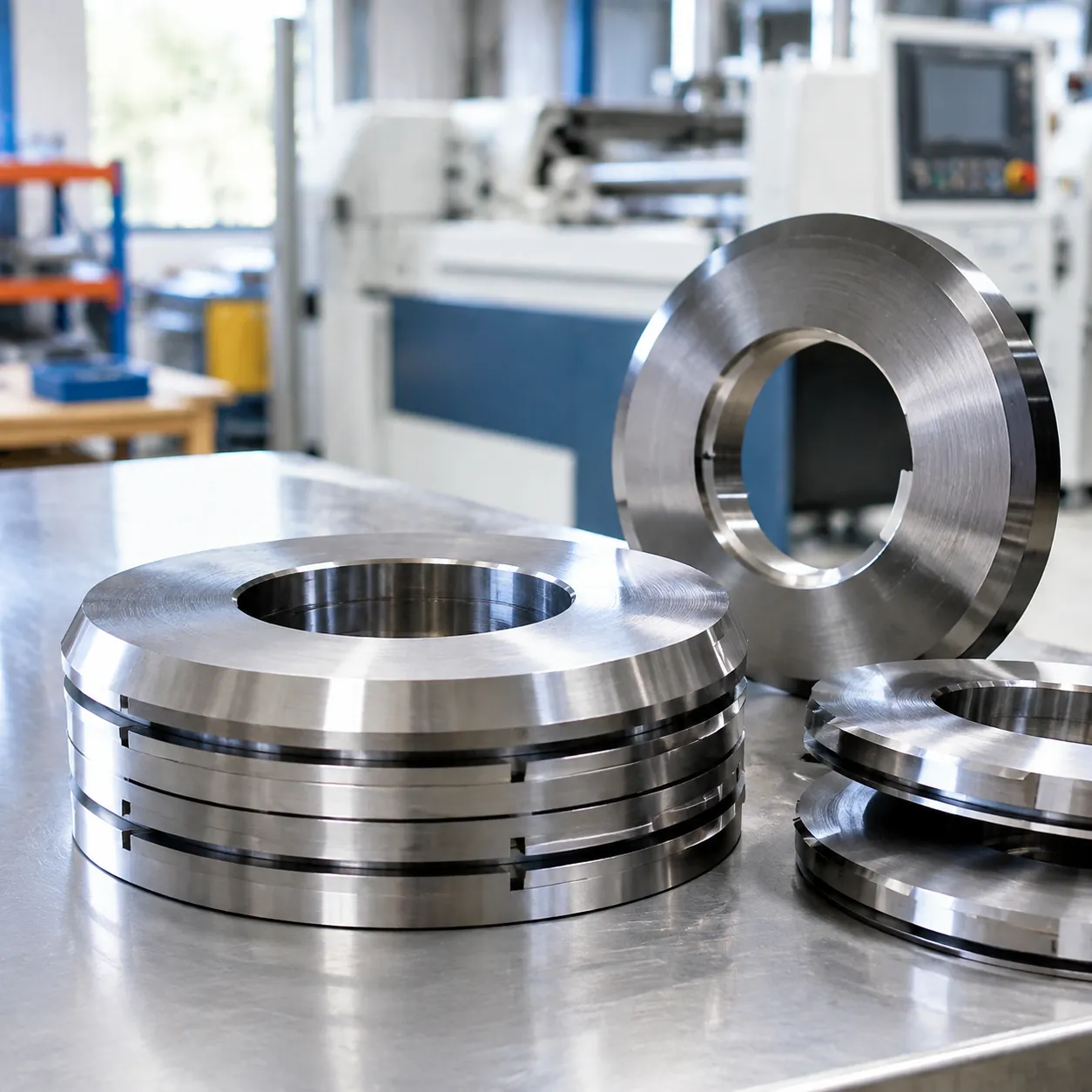
 Shear Slitting Knives
Utilizes a dual-blade scissor shearing action to produce flat, clean-cut edges. Ideal for thick polymer films, metallic foils, and dense laminated papers.
- Eliminates edge build-up during rewinding
- Pneumatic top knife holder compatibility
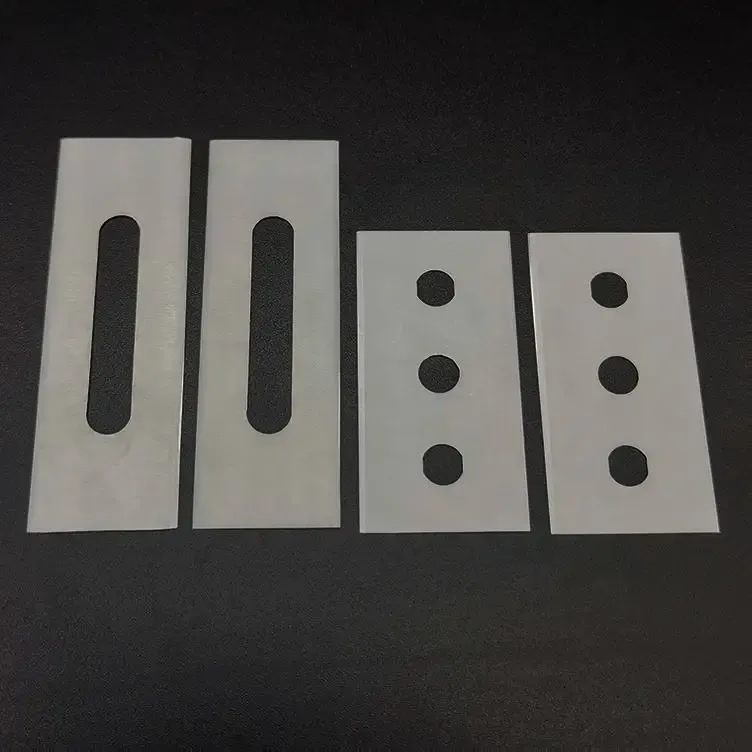 Ultra Sharp
 Razor Slitting Knives
Features low-friction surface coatings and acute edge geometries. Specially engineered for ultra-thin plastic films, adhesive tapes, and flexible medical materials.
- Low cutting resistance prevents film drag
- Ceramic and DLC diamond coating options
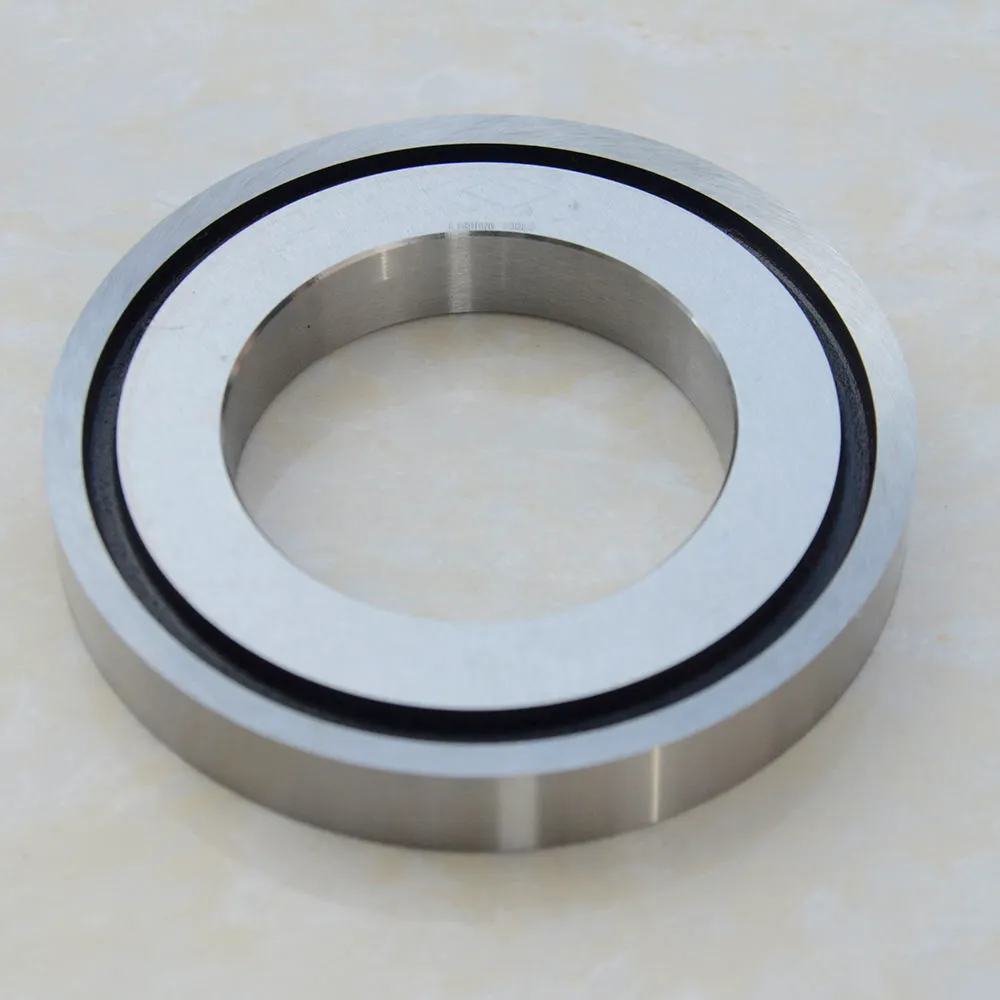 Heavy Duty
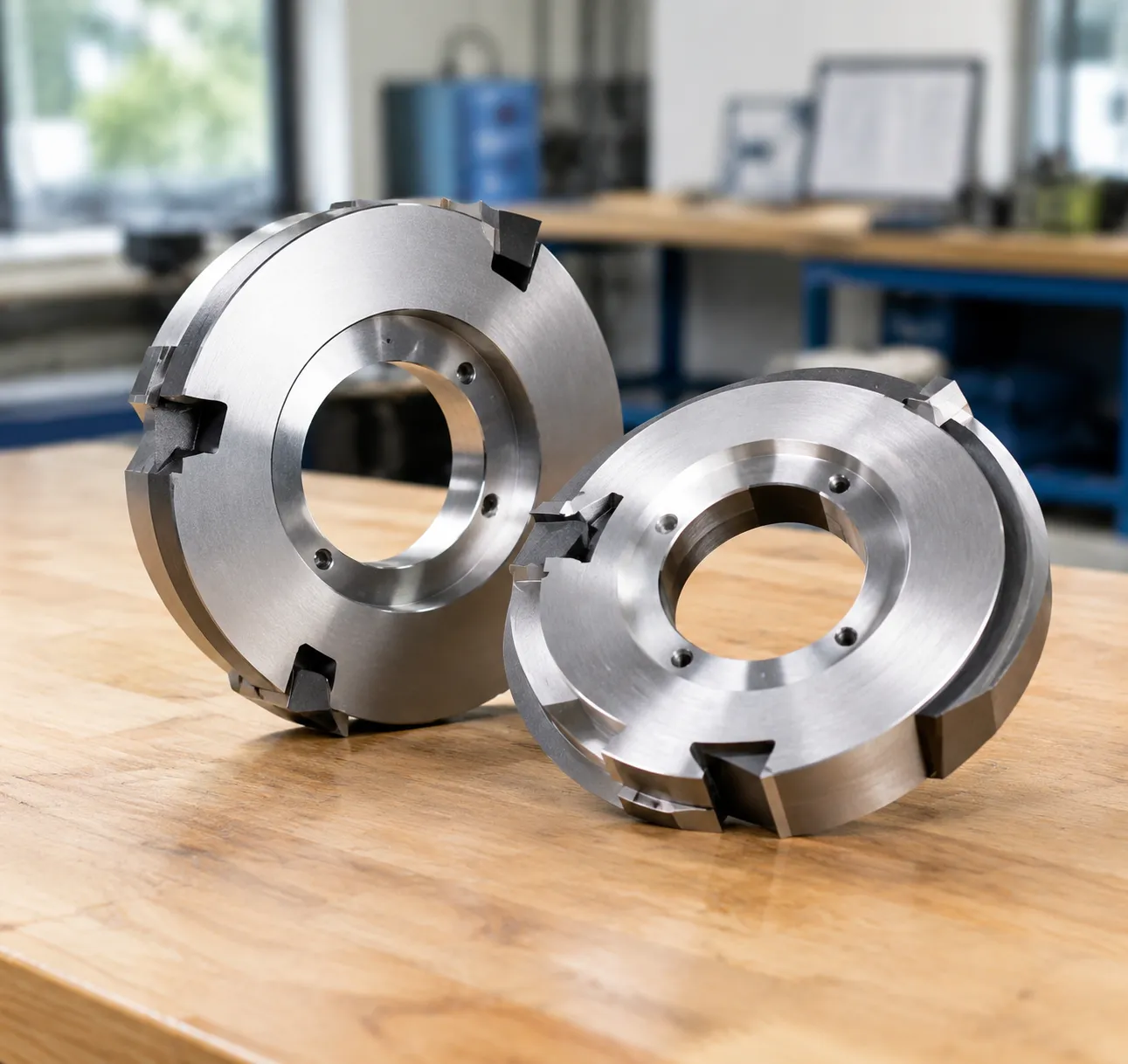
 Rotary Slitting Knives
Matched with continuous, high-speed automated converting lines. Delivers consistent cutting precision and extended blade service life under severe impact loading.
- Solid tungsten carbide and PM steel options
- High resistance to abrasive chemical coatings
Technical Performance Comparison Matrix
Compare mechanical properties, substrate thickness capacity, edge finish standards, and material selection criteria across our primary industrial slitting blade groups.
| Slitting Category | Cutting Mechanism | Substrate Thickness | Edge Quality Rating | Line Speed Capacity | Recommended Alloy |
|---|---|---|---|---|---|
| Circular Slitter Knives | Rotary shear / score shearing | 0.05mm to 5.0mm | High Precision | Up to 1,500 m/min | D2, SKD11, M2 HSS |
| Shear Slitting Knives | Dual-blade scissor action | 0.02mm to 8.0mm | Burr Free | Up to 1,000 m/min | Powder Metallurgy HSS |
| Razor Slitting Knives | Free-span / grooved-roll entry | 0.005mm to 0.5mm | Ultra Clean | Up to 600 m/min | Tungsten Carbide, DLC |
| Rotary Slitting Knives | Synchronized rotary slicing | 0.10mm to 12.0mm | Heavy Duty | Up to 800 m/min | Solid Tungsten Carbide |
Matching Knife Geometries with Substrate Dynamics
Selecting optimal industrial slitting blades involves balancing tool wear resistance with the elastic deformation properties of your web material. Circular slitter knives and shear slitting knives depend on rigorous axial tolerance control and micron-level parallelism to maintain uniform edge contact without generating unwanted dust or edge micro-cracks.
For delicate flexible packaging and thin polymer webs, razor slitting knives reduce friction forces to eliminate material stretching and web instability. For heavy converting and battery electrode manufacturing, Shark Cutting rotary slitting knives leverage high-density tungsten carbide grades and precision optical grinding to deliver extended wear life under extreme continuous duty.
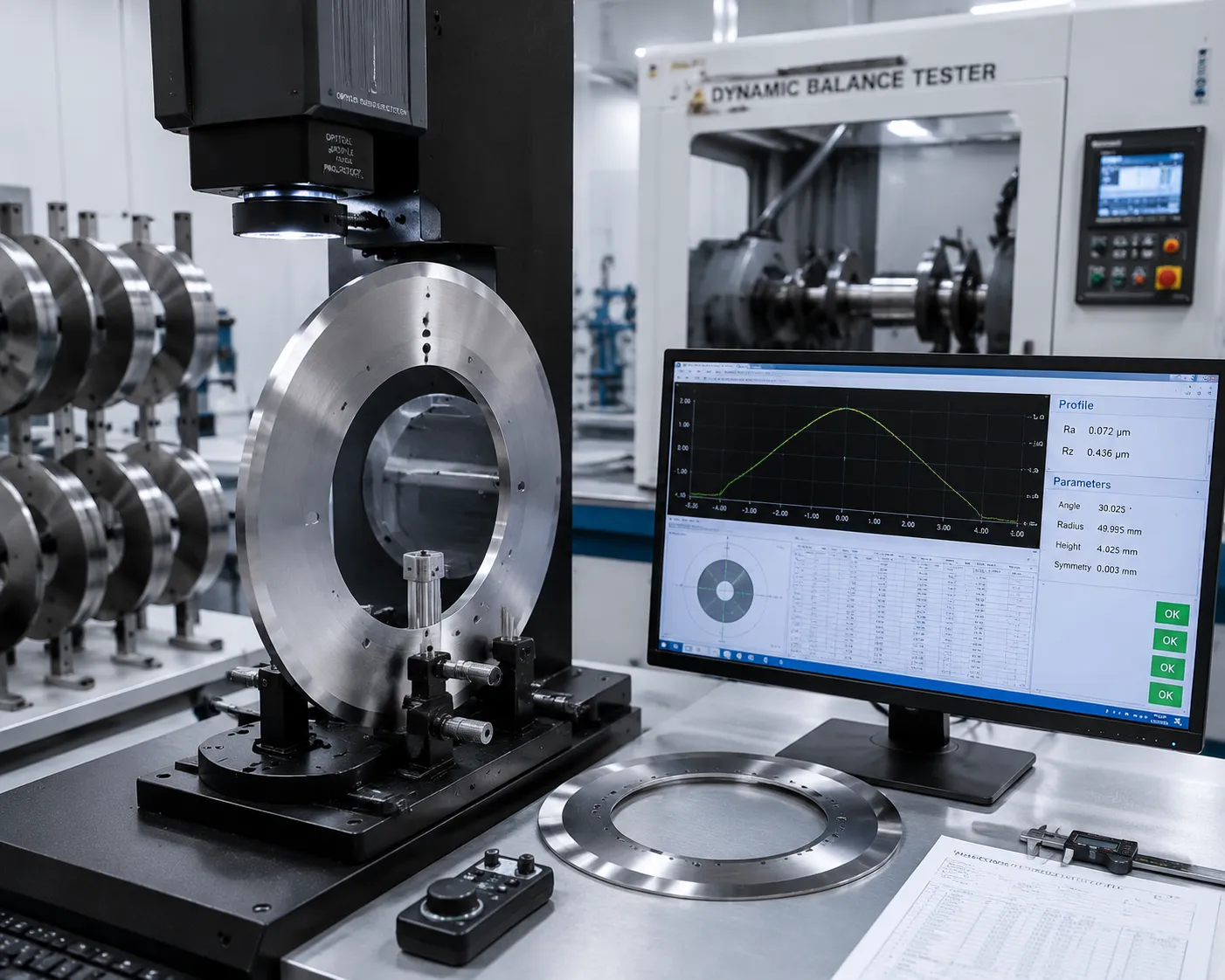
Every Shark Cutting slitting knife undergoes optical profile verification and dynamic balance testing to ensure consistent long-term web converting performance.
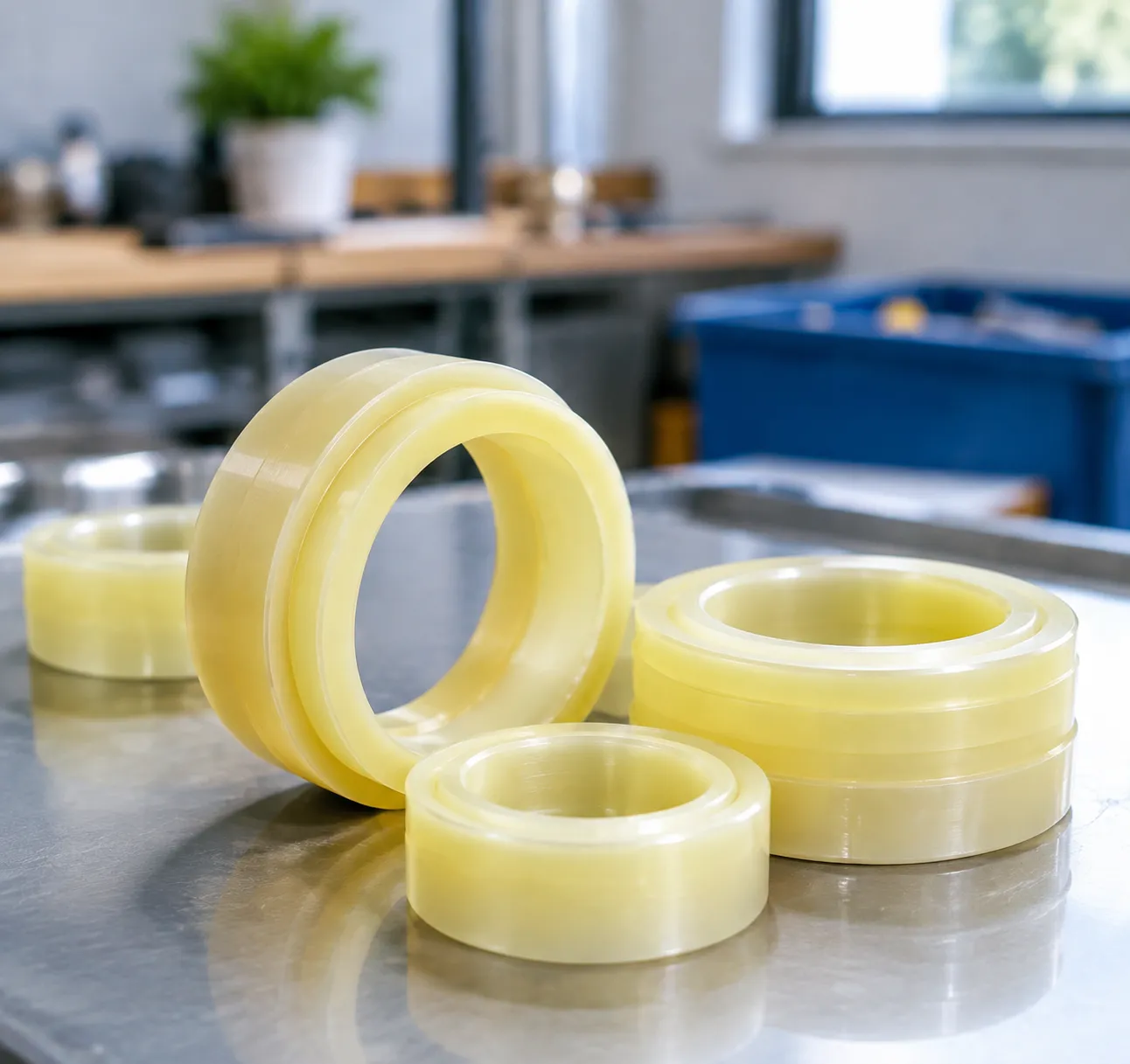
Slitting Knife Material and Wear-Resistant Coating Matching Guide
Selecting the optimal blade alloy and surface treatment is essential for maintaining clean shear edges, preventing web burrs, and extending tool life. At Shark Cutting, every industrial slitting blade is engineered around substrate density, line velocity, and web tension requirements. Matching tool steel shear slitting knives or solid carbide slitter blades to specific converting applications eliminates micro-chipping, reduces adhesive buildup, and optimizes operational efficiency across paper, film, foil, and nonwoven converting lines.
Our comprehensive material selection guide combines metallurgical engineering with practical industrial slitting expertise. Through strict alloy composition testing and computer-controlled vacuum heat treatment, Shark Cutting ensures uniform structural density, optimized carbide distribution, and exceptional wear resistance across every production run.
D2 / SKD11 Tool Steel
High-carbon, high-chromium tool steel offering balanced toughness and reliable edge stability for cost-effective everyday converting operations.
- Hardness: 58 to 62 HRC
- Toughness: Moderate to High
- Best For: Standard paper converting, corrugated board, and packaging films
High-Speed Steel M2
Tungsten-molybdenum alloy engineered for superior thermal stability, fine edge retention, and resistance to softening at elevated cutting speeds.
- Hardness: 62 to 65 HRC
- Toughness: High
- Best For: Multi-layer foils, technical laminates, and synthetic nonwovens
Powder Metallurgy Steel
Advanced PM alloy featuring ultra-fine grain microstructures that resist micro-chipping and severe dynamic impact during heavy loads.
- Hardness: 63 to 67 HRC
- Toughness: Very High
- Best For: Abrasive specialty paper, heavy laminates, and intermittent shear slitting
Tungsten Carbide
Sub-micron grain tungsten carbide delivering ultimate abrasion resistance and razor-sharp edge retention for 24/7 continuous production lines.
- Hardness: 88 to 92 HRA
- Toughness: Moderate
- Best For: Ultra-thin PET film, battery electrode foils, and magnetic materials
Tool Steel and Alloy Performance Matrix
Comparative metrics based on standard heat treatment specifications and laboratory metallurgical testing.
| Material Grade | Hardness Range | Impact Toughness | Wear Resistance | Target Converting Substrates | Recommended Process |
|---|---|---|---|---|---|
| D2 / SKD11 Tool Steel | 58 to 62 HRC | Good | Moderate | Corrugated board, kraft paper, standard PVC film | Score slitting, gang shear, and standard rewinding |
| High-Speed Steel M2 | 62 to 65 HRC | High | High | BOPP film, aluminum foil, medical nonwovens, tape | High-speed rotary slitting knives and circular shearing |
| Powder Metallurgy Steel | 63 to 67 HRC | Excellent | Very High | Abrasive specialty paper, heavy laminates, fiberglass | Heavy-duty shear slitting and web edge trimming |
| Solid Tungsten Carbide | 88 to 92 HRA | Moderate | Extreme | Ultra-thin PET, lithium battery foil, magnetic film | Precision razor slitting and sub-micron shear |
Advanced Surface Coatings for Extended Tool Life
Applying specialized Physical Vapor Deposition (PVD) surface coatings drastically lowers friction coefficients, prevents material galling, and dissipates heat during high-velocity slitting operations. Shark Cutting applies thin-film coatings to extend knife service life by up to 300 percent depending on material abrasiveness and operational speeds.
Titanium Nitride (TiN) Coating
Golden-hued universal coating ideal for reducing general surface friction and protecting tool steel slitting knives against mild abrasive wear.
Reduces edge wear on paper and standard plastic films
Titanium Carbonitride (TiCN) Coating
Blue-gray multi-layer coating providing superior surface hardness and impact toughness for demanding shear slitting of abrasive substrates.
Prevents side-face friction galling on thick laminates
Diamond-Like Carbon (DLC) Coating
Ultra-slick carbon matrix coating engineered specifically for non-stick cutting of pressure-sensitive tapes, medical adhesives, and foil.
Eliminates adhesive buildup and blade drag
Substrate-Driven Tooling Selection Principles
Achieving zero-defect slitting requires matching blade metallurgy directly with web tensile behavior. Shark Cutting engineers recommend carbide slitter blades for high-speed continuous slitting where downtime for blade swaps is costly. For operations subject to shock loads, shaft vibration, or misaligned setups, powder metallurgy tool steel offers superior impact absorption without edge fracturing.
Continuous High-Speed Runs
Select solid carbide or sub-micron tungsten carbide inserts for maximum wear life during uninterrupted film converting.
Impact-Heavy Shear Lines
Specify powder metallurgy steels to absorb dynamic contact forces when cutting thick board or metallic webs.
Relying on strict raw material spectro analysis and automated vacuum heat treatment, Shark Cutting guarantees uniform carbide distribution and maximum edge retention across every production lot.
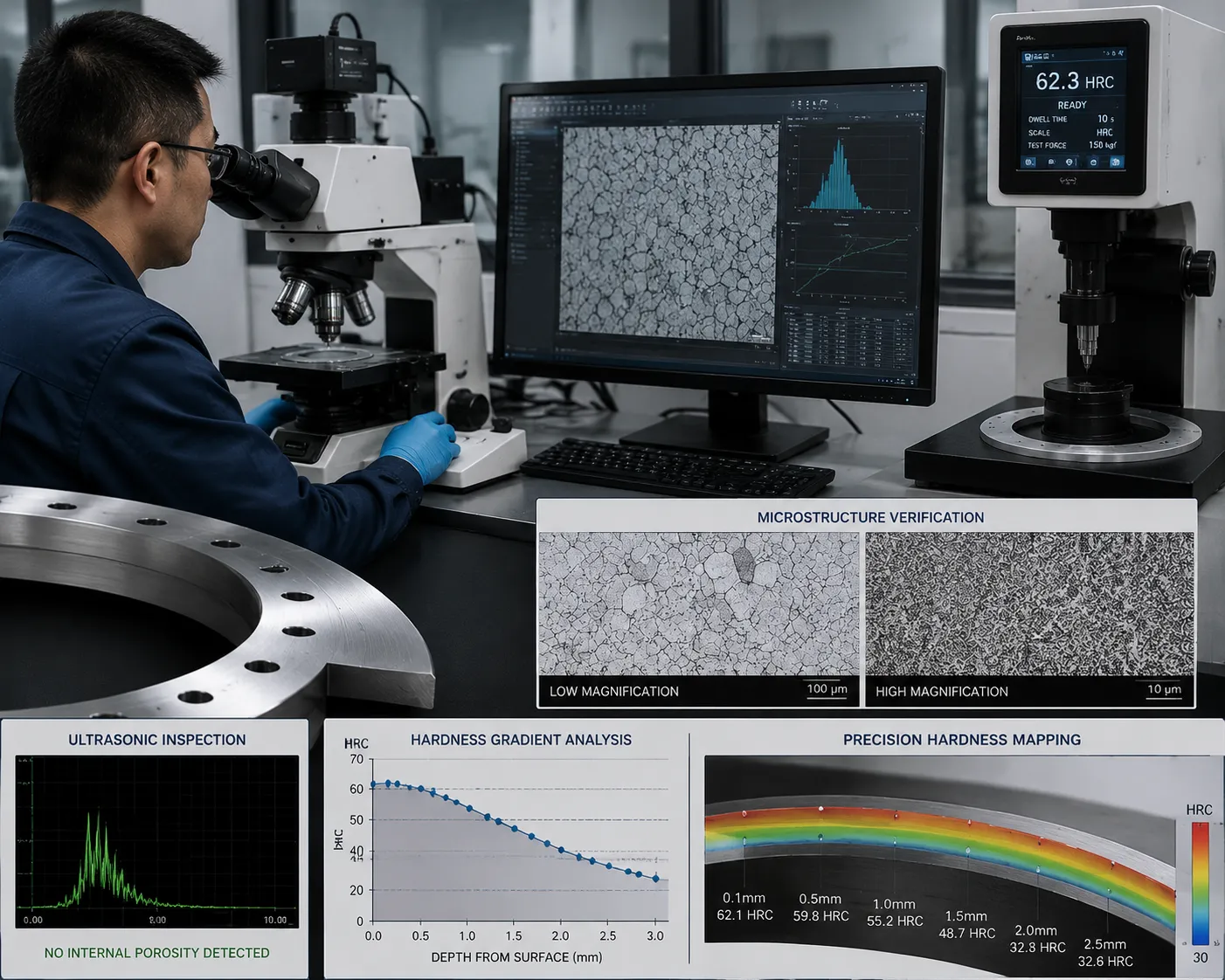
Metallurgical Inspection Standard
Full microstructural verification for zero internal porosity and precise hardness gradient control.
Empowering Multi-Domain Web Converting and Slitting Processing
High-performance web converting lines demand cutting tools capable of maintaining razor-sharp precision across diverse material substrates and demanding continuous production cycles. At Sharkcutting, our application engineering team brings deep metallurgical expertise and custom knife development capabilities to engineer specialized edge geometries for every slitting substrate. From high-speed film slitting blades and heavy-duty paper converting knives to advanced packaging cutting solutions, our products eliminate web defects, extend operational runtime, and ensure reliable cutting performance across global manufacturing plants.
Flexible Packaging and Film Slitting
High-speed flexible packaging converting lines running BOPP, PET, CPP, and multilayer barrier films generate friction heat and static buildup that disrupt edge uniformity. Standard slitting blades often create micro-tears, stringing, or static attraction that lead to costly roll rewinding failures.
Key Challenges Solved
- Eliminating Wire Drawing: Mirror-polished rake surfaces prevent angel hair, polymer stringing, and edge fuzzing on delicate polymer films.
- Friction Reduction: Specialized DLC and TiCN low-friction coatings minimize heat generation and prevent edge melt sticking at high line speeds.
- Static Mitigation: Precision-ground carbide razor blade options minimize static buildup, delivering clean film slitting blades for pristine rewinding.
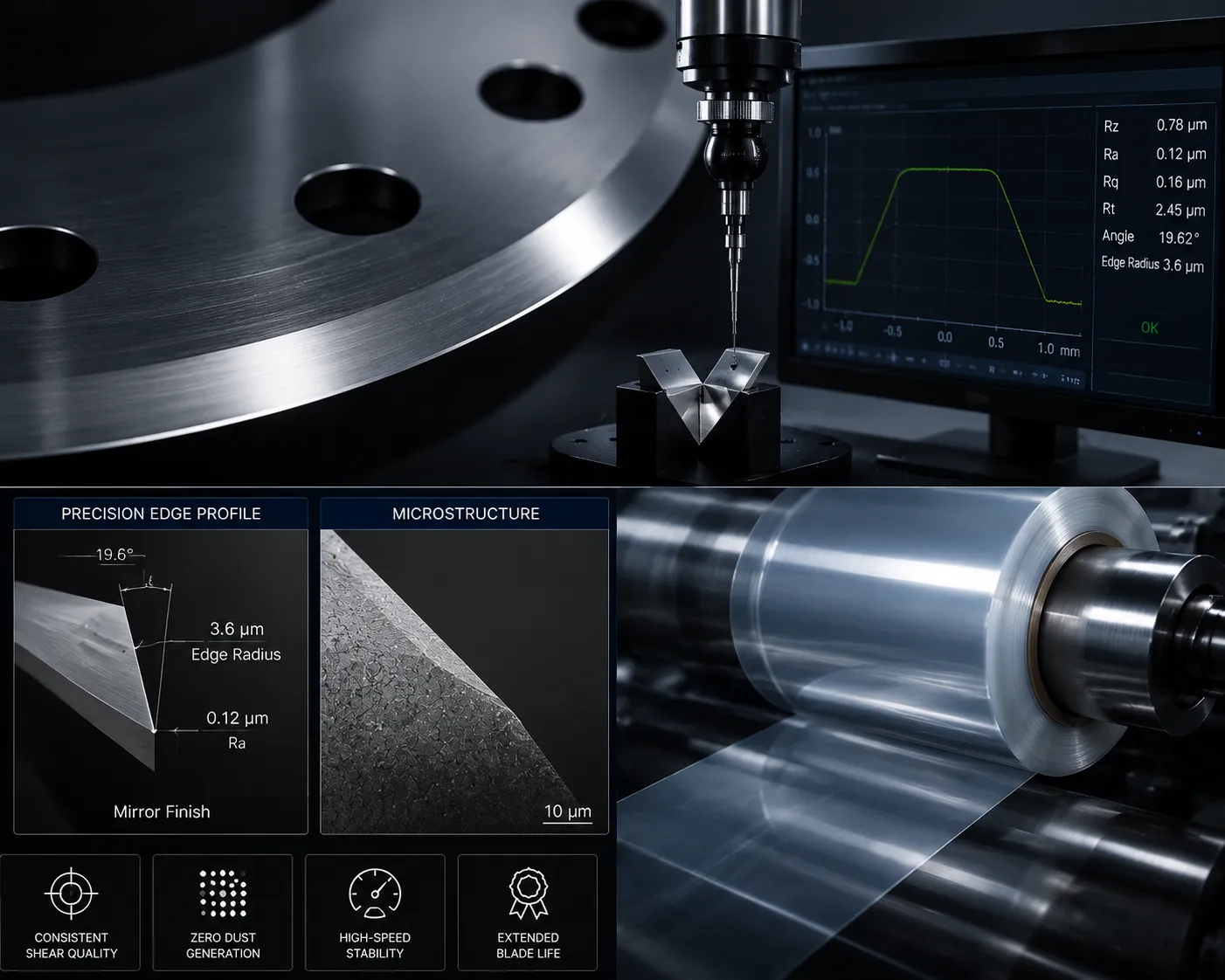
Sharkcutting Precision Edge Profile
Engineered for clean shear and zero dust on high-speed polymer film webs.
Papermaking and Specialty Paper Converting
Paper processing facilities cutting thick paperboard, specialty kraft paper, coated stock, and silicone release liners encounter severe abrasive wear. Inferior paper converting knives crush fibers and release particulate dust that clogs downstream equipment and degrades slitting quality.
Key Challenges Solved
- Dust Elimination: Precision-ground dual shear angle geometry prevents fiber crushing and dramatically reduces paper dust generation.
- Abrasion Resistance: Powder metallurgy steel (PM Steel) and tungsten carbide edges resist aggressive mineral filler coatings.
- High-Impact Resilience: Deep-vacuum heat-treated tool steels maintain micro-edge integrity under heavy material shock loads.
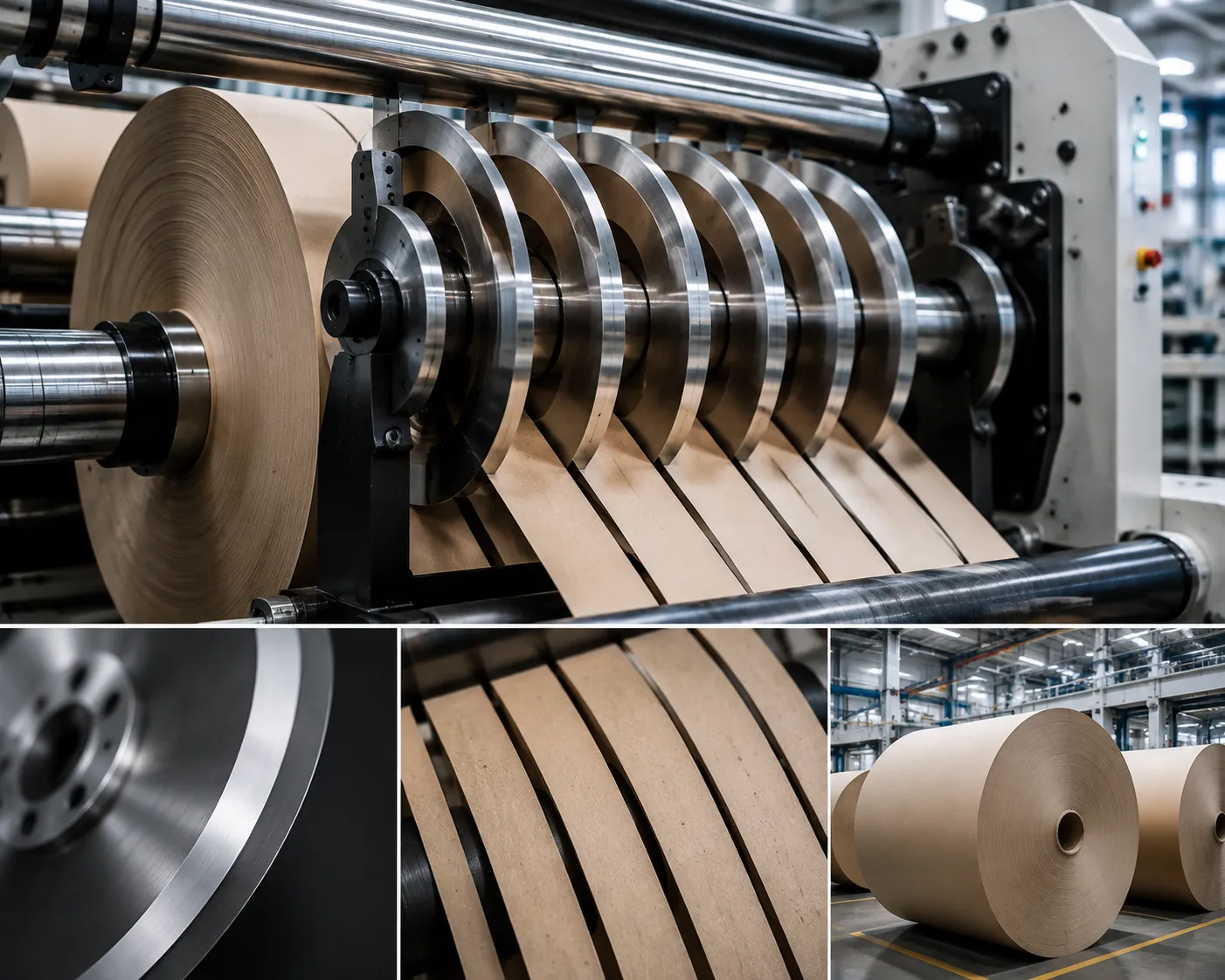
Dust-Free Paper Slitting Technology
High-wear alloys designed specifically for high-basis-weight paperboard and abrasive kraft paper lines.
Non-Woven and Medical Hygiene Materials
Converting delicate spunbond, meltblown, non-woven filtration fabrics, and hygiene materials requires controlled shear forces. Improper blade geometry snags loose filaments, causing edge fraying and preventing proper thermal or ultrasonic sealing during downstream packaging cutting solutions assembly.
Key Challenges Solved
- Thread Fraying Elimination: Ultra-sharp cutting bevels deliver a clean shear without pulling loose fibers from the web matrix.
- Ultrasonic Integration: rotary slitting knives designed to withstand high-frequency thermal vibration without micro-chipping edge damage.
- Clean Sealing Edges: Maintains pristine edge geometry essential for hygienic product thermal bonding and hermetic edge seals.
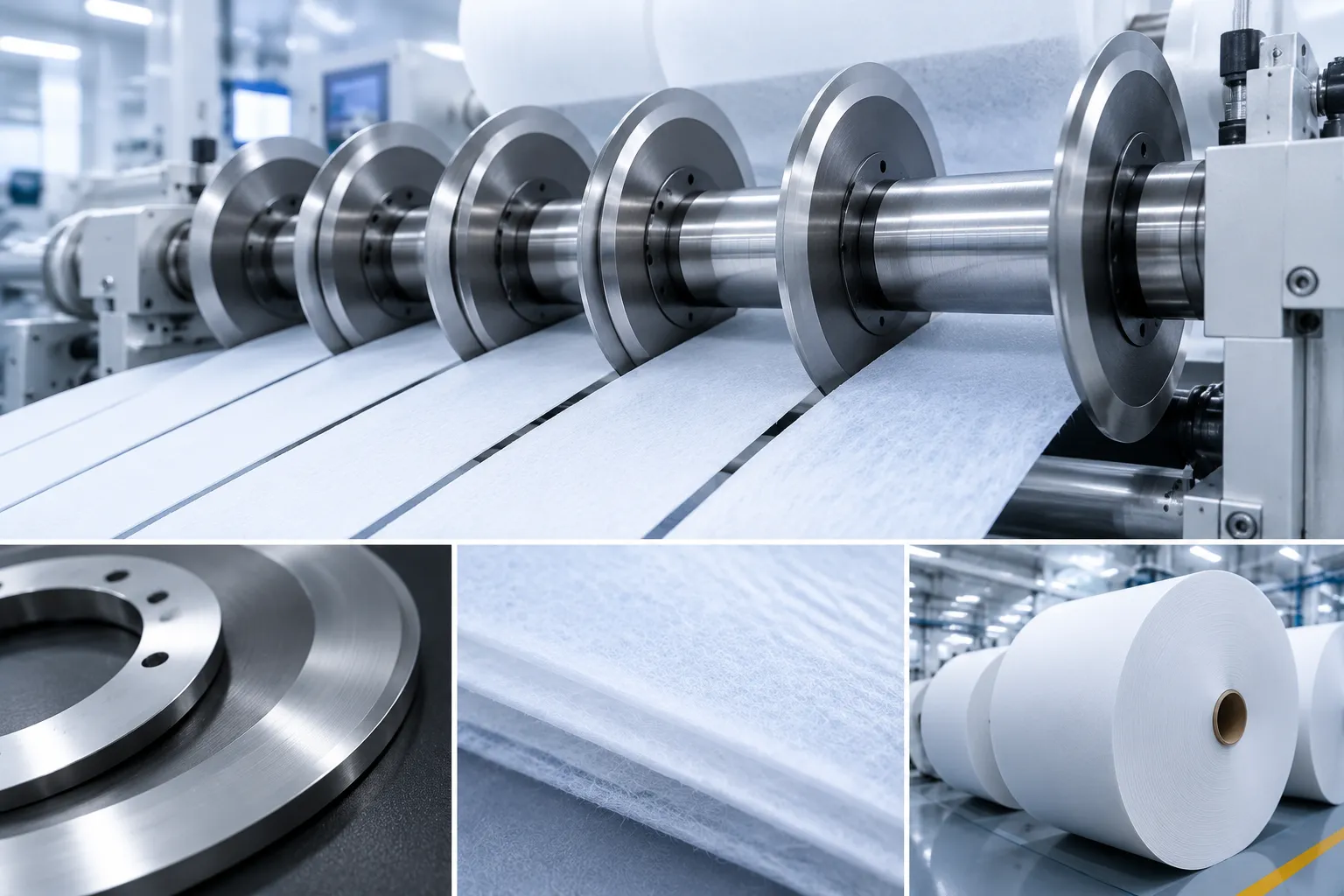
Precision Rotary Shear Technology
Specially honed edges that eliminate fiber drag on multilayer medical and hygiene webs.
Lithium Battery Electrodes and Elastomers
Slitting battery cathode and anode copper or aluminum foils coated with highly abrasive active materials presents rigorous technical requirements. Microscopic burrs or edge flaking can puncture separators and cause battery short circuits, while tacky elastomers cause material adhesion along the knife flank.
Key Challenges Solved
- Zero-Burr Tolerances: Strict thickness accuracy (±0.001mm) prevents metal burrs and edge stress on lithium-ion electrode foils.
- Anti-Adhesion Surfaces: Specialized surface polishing and non-stick physical coatings prevent rubber and adhesive buildup.
- Sub-Micron Tungsten Carbide: Extreme hardmetal grades withstand abrasive slurry coatings without premature edge dulling.
Micron-Level Precision Electrode Cutting
Ultra-fine tungsten carbide tooling delivering zero-burr performance for energy storage manufacturing.
Custom Edge Geometry for Diverse Substrates
Every web converting application presents unique operating variables regarding line speed, substrate density, friction coefficients, and mechanical web tension. Sharkcutting engineers partner directly with converter plant managers and original equipment manufacturers to analyze blade wear patterns, evaluate substrate behavior, and formulate custom edge bevels, blade profiles, and wear-resistant coatings tailored for your production lines.
Micron-Level Precision Manufacturing & Rigorous Quality Control
Sharkcutting engineers premium industrial slitting knives using ultra-precision grinding and tight tolerance cutting controls for dependable performance.
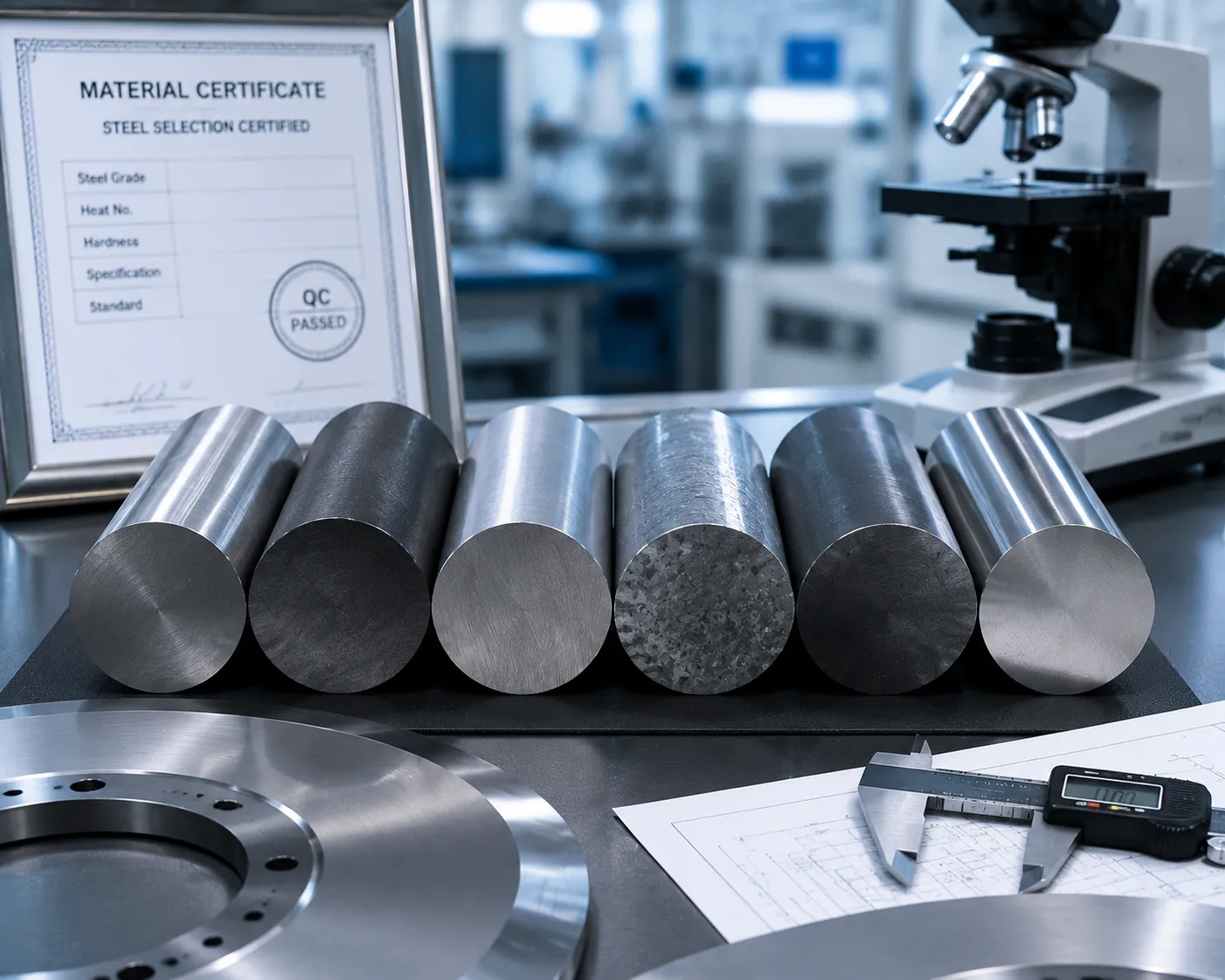 Step 01
 Certified Steel Selection
Rigorous spectral analysis of imported tool steel and carbide raw materials guarantees optimal microstructural purity and consistency.
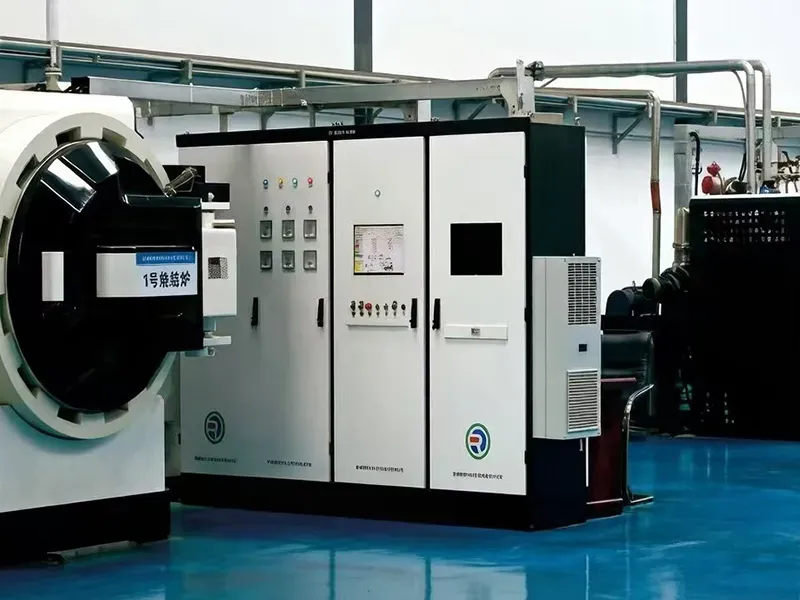 Step 02
 Vacuum Heat Treatment
Computer-controlled thermal processing achieves exact hardness gradients, balancing extreme wear resistance with core impact toughness.
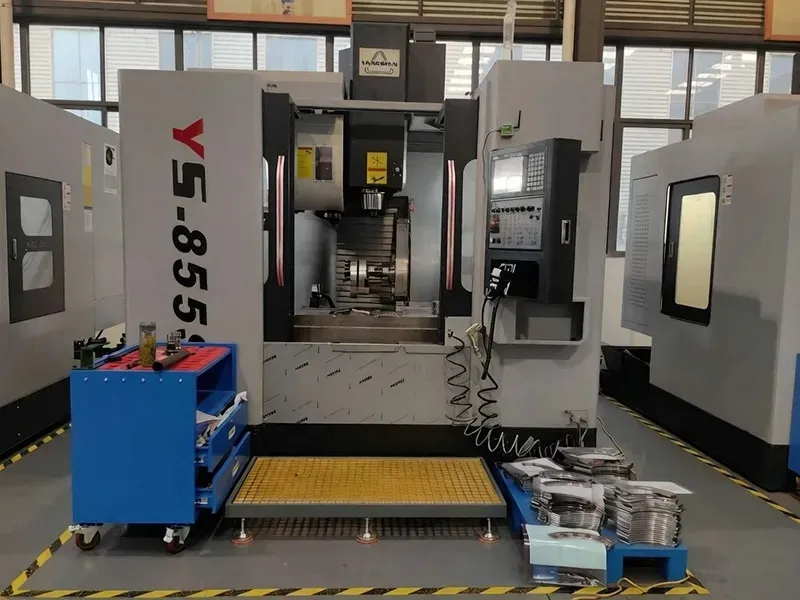 Step 03
 CNC Precision Grinding
Multi-axis CNC precision grinding produces mirror-polished edges under Ra 0.2µm for our high-precision circular slitter knives, drastically reducing friction, drag, and web dust.
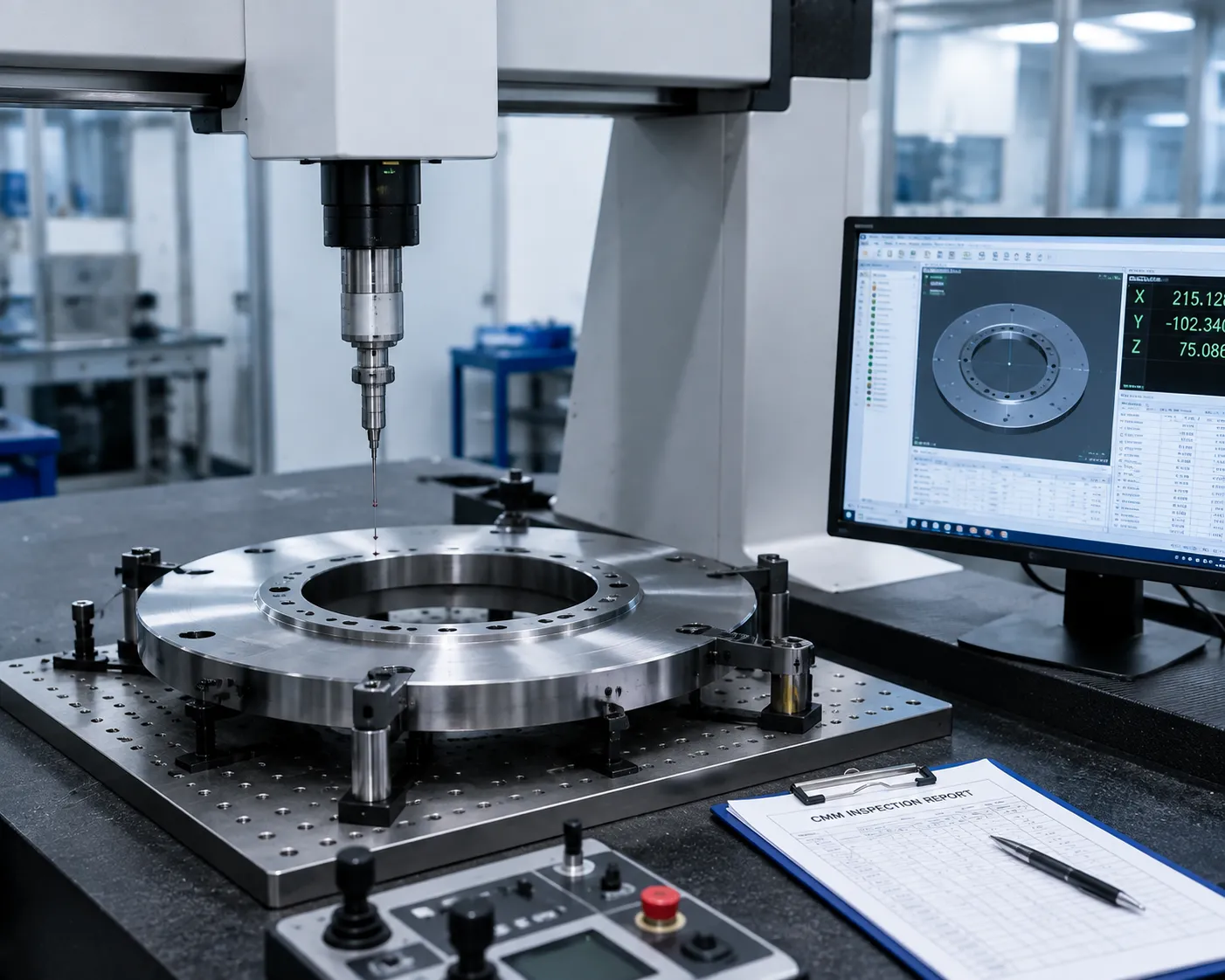 Step 04
 100% CMM Inspection
Coordinate measuring machines and optical projectors verify thickness tolerances, runout, and dynamic balance before shipment.
Unwavering Quality & Batch Consistency
Leveraging state-of-the-art CNC grinding and optical inspection systems, Sharkcutting ensures every batch of rotary slitting knives delivers superior cut quality and longevity.
Frequently Asked Questions on Industrial Slitting Knives Selection & Troubleshooting
Selecting high-precision industrial machine knives and maintaining peak edge sharpness are critical factors for eliminating machinery downtime, preventing web contamination, and achieving clean, burr-free edges. Below are technical insights and expert answers from Shark Cutting regarding blade selection, material wear troubleshooting, custom knife engineering, and preventative maintenance protocols.
How do I determine whether my slitting line should use shear slitting or razor slitting?
Choosing between shear slitting knives and razor slitting blades depends primarily on your substrate material, web thickness, operational line speed, and required edge finish:
- Shear Slitting (Male and Female Circular Knife Combination): Employs a top circular blade and a bottom female knife acting in a precise scissor-cutting motion. This method is ideal for heavier flexible packaging, multi-layer laminates, paperboard, aluminum foil, non-woven materials, and thick polymer films. Shear slitting offers exceptional cut-edge quality with minimal dust formation, high resistance to blade wear, and maximum operational stability on high-speed continuous slitting lines.
- Razor Slitting (Slotted or Rectangular Razor Blades): Uses a stationary or slidable ultra-sharp razor blade penetrating the moving web. This setup is cost-effective, quick to adjust, and exceptionally effective for thin, unoriented films such as BOPP, PET, CPP, stretch films, and medical tapes. However, razor slitting generates higher frictional heat, which can cause edge bead buildup or accelerated wear on thicker or abrasive substrates.
At Shark Cutting, our application engineers analyze your web tension, material properties, and machine architecture to recommend the optimal slitting knives and geometry for your converting application.
How do I resolve slitting knife edge chipping and insufficient wear resistance?
Premature blade wear, micro-chipping, and edge rollover usually result from a mismatch between tool steel selection, hardness levels, surface coatings, and mechanical machine alignment:
When cutting highly abrasive substrates like lithium battery cathode/anode coatings, magnetic tapes, or reinforced paper, standard D2 tool steel slitting knives wear down rapidly. Upgrading to Powder Metallurgy Steel (PM-Steel) or Micrograin Tungsten Carbide slitter blades increases edge longevity by 10 to 20 times.
Applying PVD surface coatings such as Titanium Nitride (TiN), Titanium Carbonitride (TiCN), or Diamond-Like Carbon (DLC) drastically reduces friction, prevents adhesive buildup on sticky webs, and shields the cutting edge against chemical abrasion.
Mechanical factors like excessive side preload pressure, arbor runout over 0.005mm, or incorrect cant angles also trigger edge chipping. Shark Cutting provides comprehensive slitting troubleshooting services to analyze wear patterns and optimize blade geometry and vacuum heat treatment for your specific line.
Do you provide OEM and ODM custom slitter knife design services for specialized equipment?
Yes, Shark Cutting specializes in OEM and ODM custom slitter knife design and precision manufacturing for original equipment manufacturers (OEMs) and high-volume roll converting facilities worldwide:
- Non-Standard Dimensions & Profiles: Custom outer diameters, inner arbor bore geometries, specialized keyways, drive pin holes, and ultra-thin thickness profiles down to 0.10mm.
- Tailored Bevel & Edge Geometries: Single bevel, double bevel, compound angle bevels, dish angles, and hollow-ground edges engineered specifically for your target substrate.
- Tight Tolerance Grinding: Precision CNC grinding tolerances held to ±0.001mm with mirror-finish surface roughness down to Ra < 0.2µm, minimizing web friction and edge drag.
- Flexible Batch Manufacturing: Rapid prototyping for new web development through to scalable mass production with guaranteed batch-to-batch dimensional consistency.
What key drawings and technical parameters are required when ordering custom slitting knives?
When requesting a quote or submitting an order for custom slitting knives, providing comprehensive technical specifications helps our engineering team evaluate your requirements swiftly and accurately:
You can submit CAD vector files such as STEP, DWG, or DXF, as well as 2D PDF technical drawings. If drawings are unavailable, you can send physical worn or sample blades directly to Shark Cutting for full CMM reverse engineering.
What are the best practices for slitting blade maintenance and edge longevity?
Maximizing the operational lifespan of your industrial slitting blades requires structured slitting blade maintenance routines and precise regrinding procedures:
- Scheduled Micro-Inspections: Regularly inspect cutting edges under optical magnification to identify micro-flaking, micro-chipping, or thermal stress cracking before catastrophic edge failure occurs.
- Precision Regrinding Protocols: Regrind circular and straight slitter blades using super-abrasive CBN or Diamond grinding wheels with abundant flood coolant to prevent thermal softening and temper loss. Always restore exact OEM bevel angles.
- Cleaning & Anti-Corrosion Storage: Thoroughly clean blades after production runs to remove adhesive residues, polymer buildup, or paper dust. Store dished and circular slitting knives in protective wooden or composite cases with corrosion-inhibiting packaging.
Expert Failure Mode Analysis and Custom Knife Engineering
Facing persistent slitting issues like edge burrs, web dust, or rapid blade dulling? Our senior tooling engineers at Shark Cutting evaluate your entire slitting line dynamics and substrate characteristics to deliver custom-engineered knife solutions that boost uptime, improve cut quality, and maximize ROI.