
Formula details
Product Details
Overview
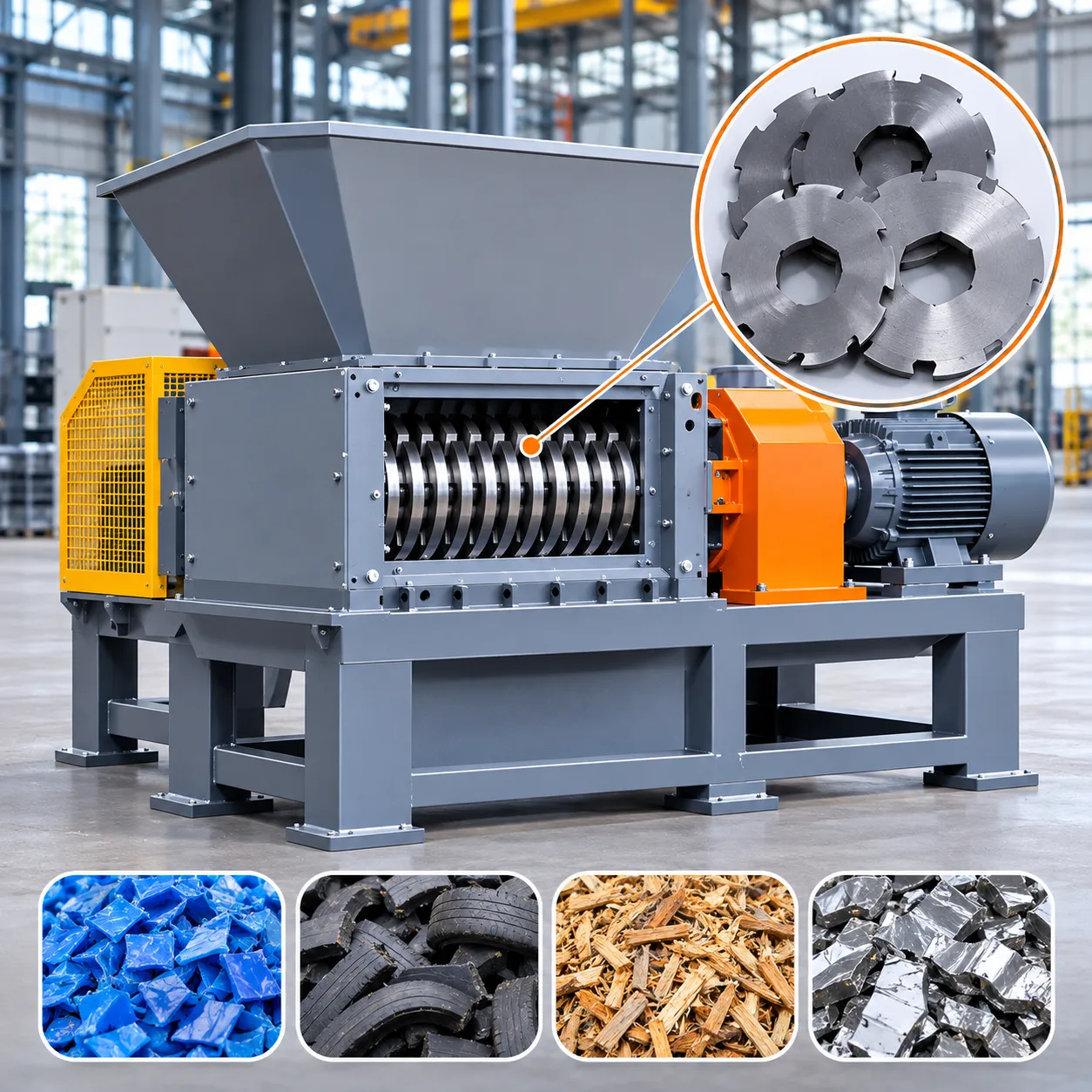
What Are Customizable Single Shaft Shredder Circle Blades?
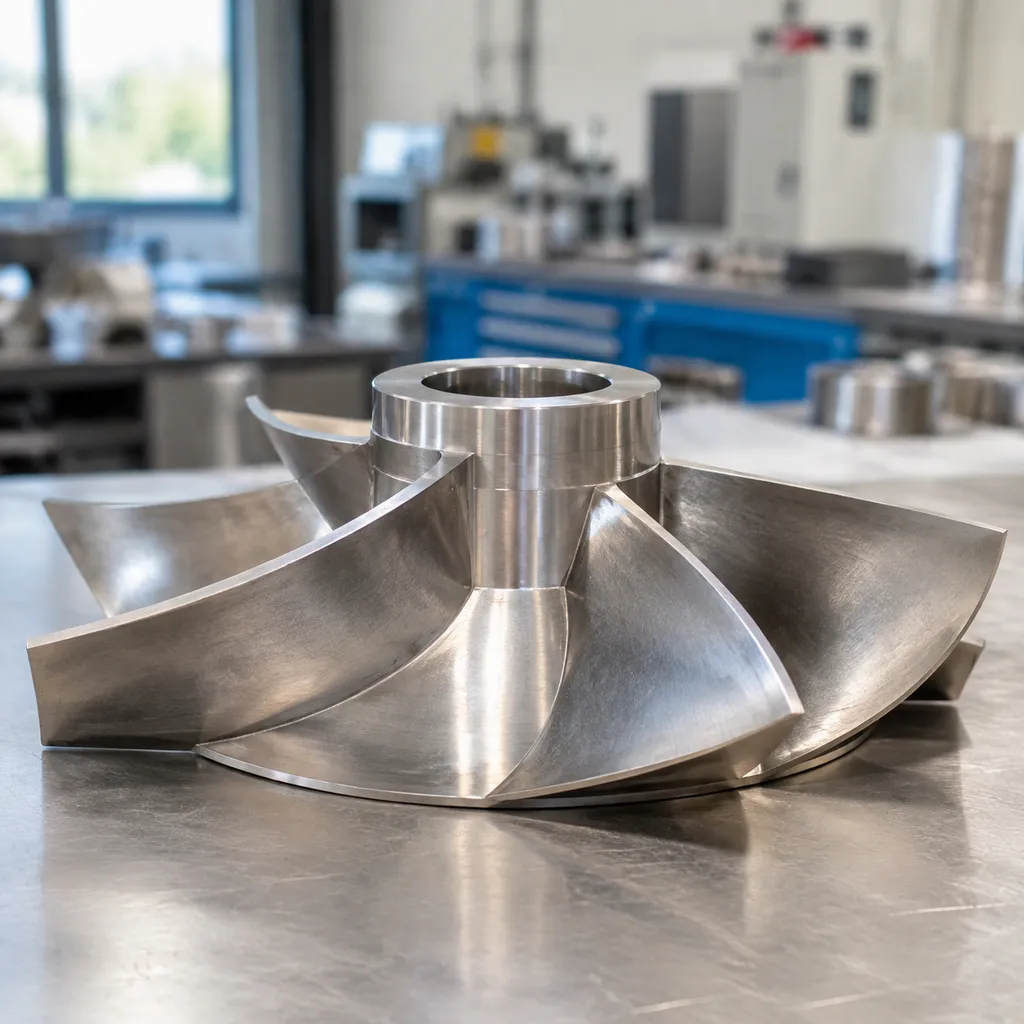
Customizable single-shaft shredder circle blades are the primary cutting components responsible for the size reduction of feedstock within an industrial shredder. These precision-engineered rotor knives, often referred to as cutter discs, are mounted onto a rotating shaft to shear, tear, and granulate materials against a stationary counterknife. By tailoring dimensions, steel grades, and edge geometries, plant operators can optimize the shredding process for specific throughput requirements and material hardness.
Component Roles in the Shredding System
The efficacy of a single-shaft shredder relies on the synergy between the rotating cutter discs and the stationary hardware. Understanding these roles is essential for maintenance planning:
| Component | Primary Function | Interaction Point |
|---|---|---|
| Rotor Circle Blade | Active shearing/tearing | Interacts with the counterknife |
| Counterknife | Fixed shearing surface | Provides the gap for clean cutting |
| Shredder Screen | Sizing control | Retains oversize particles until reduced |
Key Technical Characteristics
Customization allows these blades to transcend standard OEM limitations. Our design process focuses on:
- Precision Dimensions: Exact outer diameter (OD), bore diameter, and thickness to ensure perfect seating within the rotor pocket.
- Steel Grade Selection: Matching the alloy (e.g., D2, DC53, or HSS) to the abrasiveness of the incoming waste stream.
- Edge Geometry: Profiling the cutting bevel to either aggressively pull material or cleanly shear tough polymers and synthetic fibers.
Unlike generic off-the-shelf replacements, custom-engineered circular rotor knives account for the specific rotational speeds and torque levels of your equipment, minimizing premature cracking and maximizing intervals between sharpening cycles.
Key Benefits of Custom Single-Shaft Shredder Blades
When you tailor your tooling to your specific machine and material, you see immediate improvements in operational efficiency and bottom-line maintenance costs. By referencing our plastic shredder blade dimensions guide, you can ensure that every blade achieves a perfect, high-tolerance fit that protects your rotor shafts and blade holders from premature wear.
Operational Advantages
- Precision Fit: Eliminate vibration and uneven loading with blades machined exactly to your rotor’s unique geometry.
- Material Optimization: Select specific steel grades to balance impact resistance against abrasive wear for your unique waste stream.
- Throughput Control: Fine-tune cutting bevels to produce a consistent output size while reducing unnecessary fines.
- Batch Economy: Streamline your facility’s maintenance schedule by ordering optimized, cost-effective replacement sets.
Comparative Performance Value
| Feature | Generic Blades | Custom Blades |
|---|---|---|
| Fitment | Standard/Universal | Guaranteed Rotor-Specific |
| Material | General Purpose Steel | Application-Matched Tool Steel |
| Geometry | Fixed Bevel | Optimized Cutting Angles |
| Maintenance | Frequent Adjustments | Longer Service Intervals |
Custom blades essentially act as an extension of your machine’s original design intent. By optimizing the cutting edge for your specific input material, you minimize downtime and prevent the mechanical stress associated with sub-optimal tool fitment.
Technical Specifications for Customizable Single Shaft Shredder Circle Blades
Critical Dimensions and Configuration
We focus on exact specifications for the following physical parameters:
| Feature | Precision Standard |
|---|---|
| Outer Diameter (OD) | +/- 0.05 mm |
| Bore Diameter | H7 Tolerance Standard |
| Blade Thickness | +/- 0.02 mm |
| Pitch Circle Diameter | +/- 0.10 mm |
| Hole Configuration | Countersunk or Threaded to spec |
Material and Edge Geometry
To optimize throughput, we provide several configurations for our shredder cutter discs:
- Tool Steel Grades: Options range from D2 and DC53 for high wear resistance to high-speed steels for superior edge retention under shock loads.
- Hardness Ranges: Typically heat-treated to 54–62 HRC depending on the intended feedstock and impact requirements.
- Edge Profiles: Bevel angles are customizable to favor either a clean shearing action or a more aggressive tearing effect.
- Surface Finish: Precision ground finishes reduce friction, preventing material buildup and heat generation during high-speed operation.
We prioritize these specifications to ensure that every industrial circular shredder knife functions as a seamless extension of your rotor assembly, maintaining the clearances necessary to prevent screen damage and motor strain. Understanding these shredder blade design principles is the first step in selecting the correct hardware for your specific machine setup.
Tool Steel Selection and Heat Treatment Standards
Choosing the right material for your customizable single shaft shredder circle blade is the most effective way to balance machine uptime with maintenance costs. We prioritize material toughness and wear resistance based on the specific waste stream you process.
Common Tool Steel Grades
- D2 / SKD-11: Our go-to for general-purpose plastic shredding. It offers excellent wear resistance and retains a sharp edge even when dealing with moderately abrasive materials. For deep insights into material performance, refer to our guide on D2 steel heat treatment.
- DC53: Chosen for its superior toughness compared to D2, making it the preferred choice for applications where tramp metal or contamination may cause chipping.
- High-Speed Steels (HSS): Reserved for high-precision or highly abrasive environments where extended wear life is required between sharpenings.
Heat Treatment and Edge Retention
We utilize vacuum heat treatment to ensure uniform hardness and minimal distortion. Our process includes:
Controlled Tempering: We adjust the tempering cycle to strike a precise balance between high hardness (typically 58-62 HRC) and structural integrity.
Cryogenic Processing: This stage is used to stabilize the steel's microstructure, converting retained austenite into martensite for maximum edge retention.
Impact Resilience: We strictly avoid over-hardening, which can lead to catastrophic blade failure, cracking, or edge chipping when processing mixed waste streams.
| Material Grade | Primary Application | Hardness (HRC) |
|---|---|---|
| D2 / SKD-11 | General Plastic, Rubber | 58-60 |
| DC53 | Contaminated Waste, Wood | 59-61 |
| HSS | Specialized High-Wear | 60-63 |
Selecting the correct steel grade is critical to ensuring your industrial circular shredder knives operate efficiently without frequent downtime. We tailor these specifications to match your exact feedstock requirements.
Custom Engineering and Rotor Compatibility Checks
Essential Compatibility Measurements
To ensure your custom recycling machine blades perform as expected, I require precise documentation of the following dimensions:
| Measurement Point | Requirement |
|---|---|
| Outer Diameter | Must match OEM tolerances for clearance to the screen. |
| Bore Diameter | Needs exact fit for the rotor shaft splines or keyed shaft. |
| Blade Thickness | Defines the cutting width and spacer requirements. |
| Bolt/Drive Holes | Precise P.C.D. and counterbore depth for fastener seating. |
| Keyway/Spline | Critical for torque transmission and rotation safety. |
Rotor Fitment Procedures
Verification is central to our process. We examine the rotor pocket fit, cutting clearances, and bed knife tolerances to ensure the blade geometry matches your shredder’s specific design. If you are operating a retrofitted or custom-built unit, I can adjust the edge geometry and mounting interface to compensate for non-standard housing dimensions.
By checking these specifications against your precision replacement blades, I prevent common issues like blade vibration, uneven wear, or catastrophic contact with the counterknives. We ensure that your industrial circular shredder knives are engineered to survive the specific physical constraints of your rotor configuration.
Feedstock Applications and Material Suitability
Customizable single shaft shredder circle blades are engineered to handle a diverse range of industrial waste. Choosing the right blade configuration is critical to maintaining high throughput and minimizing downtime during plastic recycling or other heavy-duty waste reduction processes.
Key applications include:
- Rigid Plastics and Purging: Designed to withstand high-impact loads when shredding thick-walled plastic blocks, HDPE, PP, or ABS purgings.
- Plastic Films and Synthetic Fibers: High-precision edge geometries prevent "wrapping" and ensure clean shearing of flexible materials like PE film, PET strapping, and nylon fibers.
- Wood Waste and Biomass: Optimized for timber scrap, pallets, and forestry byproducts; these blades prioritize toughness to resist damage from incidental metal contaminants often found in construction wood.
- Packaging and MSW: Effective for processing cardboard, paper bales, and mixed municipal solid waste, where consistent bite is required to manage high-volume, low-density material.
- Rubber and Specialized Composites: Engineered for high-wear resistance to process tires, rubber profiles, and glass-fiber reinforced composites, which are notoriously abrasive on standard tooling.
Matching the blade steel and bevel angle to your specific material stream ensures that the rotary shredder cutter disk maintains its sharpness longer, even when processing highly abrasive or contaminated loads.
Blade Selection Guide: Matching Blades to Processing Demands
Selecting the correct customizable single shaft shredder circle blade requires balancing your specific feedstock characteristics against the machine’s mechanical constraints. Misalignment between blade geometry and material type is the most common cause of premature wear or throughput bottlenecks. When comparing different shredder setups, it is essential to consider the nuance of single shaft vs. double shaft shredder blades to ensure your rotor design supports the intended shearing action.
Critical Selection Factors
- Feedstock Composition: High-density or contaminated materials (glass/sand content) demand higher impact toughness. For cleaner, softer plastics, focus on high-hardness grades to maintain a sharp shearing edge.
- Shearing vs. Tearing: Use a sharper, lower-angle bevel for clean-cut shearing of films and fibers. Switch to a robust, steeper bevel for aggressive tearing of bulky, rigid purgings.
- Operational Velocity: Align the blade’s mass and geometry with your rotor RPM. High-speed rotors require precision-balanced discs to prevent vibration that leads to edge chipping.
- System Clearance: Always ensure your blade profile works in tandem with the counterknife clearance and discharge screen size. Proper clearance is vital to prevent material wrapping and motor overload.
Performance Balancing Matrix
| Factor | High-Volume Plastic | Wood/Forestry Waste | Abrasive MSW |
|---|---|---|---|
| Blade Profile | Acute Bevel | Robust/Strong | Heavy-Duty |
| Material Hardness | Medium-High (HRC 55-58) | High (HRC 58-60) | High (HRC 56-59) |
| Primary Goal | Throughput Speed | Durability | Wear Resistance |
Optimizing these variables maximizes your total operating hours between indexings. By matching the shredder rotor cutter discs to the specific density and moisture of your waste stream, you minimize unplanned downtime and stabilize your overall cost per ton processed.
Step-by-Step Custom Blade Ordering Process
| Stage | What We Need from You | What We Deliver |
|---|---|---|
| 1. Shredder Identification | Brand, model, rotor diameter, and cutter layout | Initial fitment verification |
| 2. Technical Input | Physical sample, CAD file, or hand sketch | Preliminary 2D/3D engineering layout |
| 3. Processing Profile | Feedstock type, contamination, target capacity | Recommended steel grade and target HRC |
| 4. Approval Gate | Sign-off on tolerances, bevels, and dimensions | Locked production schedule |
| 5. Production & QC | Final purchase order and delivery terms | Finished knives, QC inspection reports, dispatch |
Step 1: Provide Shredder Brand, Model, and Rotor Configuration
Start by sharing your shredder make, model, and year of manufacture. We map these details against our equipment database to identify the standard rotor diameter, pocket style, and clamping setup. Whether your machine uses flat-faced disks, threaded pockets, or modular carrier blocks, this baseline ensures your custom replacement fits without rotor rework.
Step 2: Submit Blade Samples, Dimensioned Sketches, or Technical Drawings
We work directly from customer-supplied 2D prints (DWG, DXF, PDF), 3D CAD files (STEP, IGES), or dimensioned hand drawings. If drawings are unavailable, send a worn or unbroken sample to our tooling facility. Our metrology team reverse-engineers the critical dimensions—including outer diameter, center bore, counterbore depth, and bolt-hole spacing—to produce an accurate production blueprint.
Step 3: Define Target Material Stream, Throughput, and Wear Challenges
Tell us what enters your cutting chamber. We formulate your custom tooling profile based on:
Feedstock type: Rigid plastics, thin films, rubber, municipal solid waste, or wood pallets
Contamination levels: Presence of sand, grit, metal fragments, or glass
Target metrics: Required hourly throughput, target regrind size, and current wear bottlenecks
This operating data dictates whether we manufacture your shredder blades from wear-resistant D2/SKD-11 or high-shock-toughness tool steels like DC53.
Step 4: Review and Approve Production Drawings and Material Specs
Before running CNC toolpaths, we send you an engineering sign-off sheet. This print details exact machining tolerances (typically within ±0.02 mm), edge radius configurations, cutting bevel angles, countersink dimensions, and verified Rockwell hardness (HRC) ranges. Production only begins once you review and stamp the final drawings.
Step 5: Final Manufacturing, Dimensional Sign-Off, and Delivery
Once approved, we cut, vacuum heat-treat, surface-grind, and finish your circular cutter disks. Every batch undergoes multi-point dimensional inspections and hardness verification against your signed blueprint. We package your finished blades with protective anti-corrosion wrap, clearly label them by rotor position or batch number, and ship them directly to your facility ready for immediate installation.
Quality Control for Customizable Single Shaft Shredder Circle Blades
Reliability in waste processing begins with rigorous quality control. We implement a multi-stage inspection process to ensure every customizable single shaft shredder circle blade meets the high standards required for heavy-duty industrial environments. Through precision machining, we guarantee that our output aligns with the exact specifications your equipment demands.
Our standard quality protocols include:
- Material Verification: Every batch of tool steel undergoes spectrochemical analysis to certify the chemical composition, ensuring it matches your selected grade for optimal wear resistance.
- Precision CNC Machining: We maintain tight grinding tolerances on all diameters and bore sizes to ensure a perfect fit on your rotor shaft, minimizing vibration and mechanical stress.
- Hardness Testing: We conduct multi-point Rockwell (HRC) testing across both the core and the cutting edges of every single-shaft shredder circular blade. This confirms that the heat treatment has achieved the necessary balance of hardness and toughness.
- Dimensional Inspection: Every finished unit undergoes a final fitment verification against your approved CAD drawings or samples to ensure seamless installation.
By adhering to these strict quality control procedures, we eliminate the guesswork from your maintenance cycle and provide parts that perform reliably from the first hour of operation.
Safe Installation and Preventative Maintenance Practices
Proper handling of customizable single shaft shredder circle blades is essential to avoid premature failure and ensure safe operation. Following standardized knife maintenance best practices prevents unnecessary downtime and protects your machinery investment.
Installation Essentials
- Rotor Prep: Clean rotor seats thoroughly to remove debris, scale, or rust. Any uneven surface will cause stress concentration, potentially leading to blade breakage under load.
- Fitment Check: Ensure the blade sits flush against the holder. Do not force a fit; if the tolerances feel tight, check for burrs on the rotor pocket.
- Torque Integrity: Always use a calibrated torque wrench. Over-tightening leads to bolt fatigue, while under-tightening allows micro-movements that can shear fasteners. Follow the OEM's torque pattern strictly.
Maintenance and Monitoring
- Visual Inspections: Schedule routine checks to identify rounding or chipping early. A dull edge forces the motor to work harder, increasing energy consumption and heat generation.
- Rotational Indexing: Most circular blades can be indexed to use fresh cutting segments. Rotate them as soon as the current edge loses its geometry to extend the life of your metal shredder blade.
- Wear Pattern Analysis: If you notice uneven wear across the rotor, check your counterknife clearances. Consistent wear indicates a well-aligned system, while irregular patterns suggest mechanical misalignment or inconsistent feedstock distribution.
- Proactive Replacement: Do not wait for catastrophic failure. Establish a cycle based on throughput tonnage or operational hours to replace or sharpen blades before they compromise the shredder’s performance or damage the rotor.
Frequently Asked Questions About Single Shaft Shredder Circle Blades
Managing durable industrial cutting tools requires clear answers to technical maintenance and procurement queries. Below are the standard responses to common operational concerns regarding these components.
Production from Samples
Yes, we can replicate blades from worn or broken samples. Provided the pieces are sufficient to determine the original geometry, bolt pattern, and thickness, our engineering team can reconstruct a CAD drawing to restore the blade to its original factory specifications.
Essential Quoting Dimensions
To provide an accurate quote for custom rotor circle blades, we require:
Outer Diameter (OD)
Bore Diameter (ID)
Blade Thickness
Bolt Hole Configuration: Number of holes, pitch circle diameter (PCD), and counterbore dimensions.
Keyway Details: If applicable to your specific rotor shaft.
Steel for Contaminated Materials
For recycling streams containing dirt, glass, or mineral contaminants, we recommend high-toughness tool steels like D2 or specialized powder metallurgy steels. These materials resist edge chipping better than standard grades when encountering abrasive debris common in post-consumer plastic recycling.
Customizing Hardness and Geometry
We frequently modify cutting edge angles and hardness levels to suit specific feedstocks. For instance, a steeper bevel increases cutting force for heavy purgings, while a shallower, highly polished edge reduces friction and heat buildup when processing thin plastic films.
Timing for Indexing or Replacement
Determining when to service your knives depends on throughput and material quality. Indicators that it is time to index or replace include:
Visible Rounding: If the cutting edge radius exceeds 0.5mm, efficiency drops significantly.
Increased Amp Draw: High motor load during normal operation suggests dull knives.
Fines Accumulation: An increase in excessive dust or uneven output size.
Chipping: Detectable tactile damage on the cutting edge profile indicating metal-to-metal contact or hard contaminants.