
High-Performance Plastic Recycling Blades — Heavy-Duty Wear Solutions for Shredding, Crushing & Granulating
As a premier shredder blade supplier, Sharkcutting manufactures high-wear plastic recycling blades and granulator knives using premium D2/M2 tool steel and vacuum heat treatment. Built for PET bottles, PE/PP films, rigid engineering polymers, and abrasive waste streams to maximize uptime and reduce cost per ton.
Manufacturing Standard
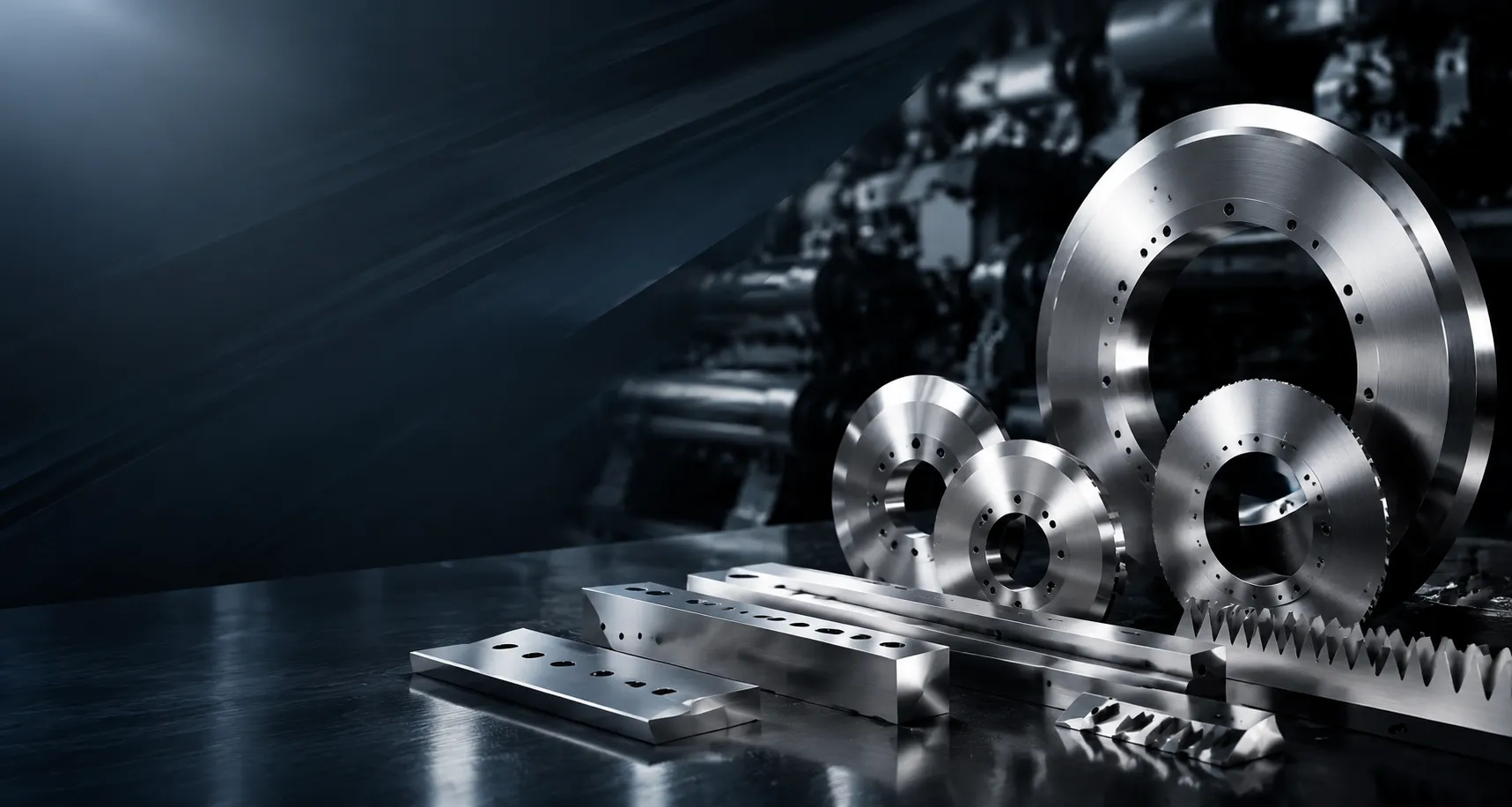
Precision-Ground Industrial Knives
Quantifiable Engineering Standards & Operational Efficiency
Sharkcutting delivers high-durability industrial machine knives and blades engineered from premium D2 and M2 tool steel to achieve zero-downtime cutting.
Service Life Extension
Achieved through optimized carbide distribution and proprietary double-tempering heat treatment.
Grinding Tolerance
Ensures seamless rotor alignment, consistent gap clearance, and clean material shear.
Line Adaptations
Proven compatibility across single and twin-shaft shredders, heavy-duty crushers, and high-speed granulators.
Quality Inspection
Every production batch undergoes ultrasonic flaw detection and Rockwell C hardness testing.
Precision-Engineered Industrial Cutting Components
Sharkcutting combines advanced metallurgical heat treatment with micro-dimensional tolerances. We optimize processing efficiency for high-speed film-cutting knives and maximize blade longevity for demanding plastic recycling and size-reduction systems.
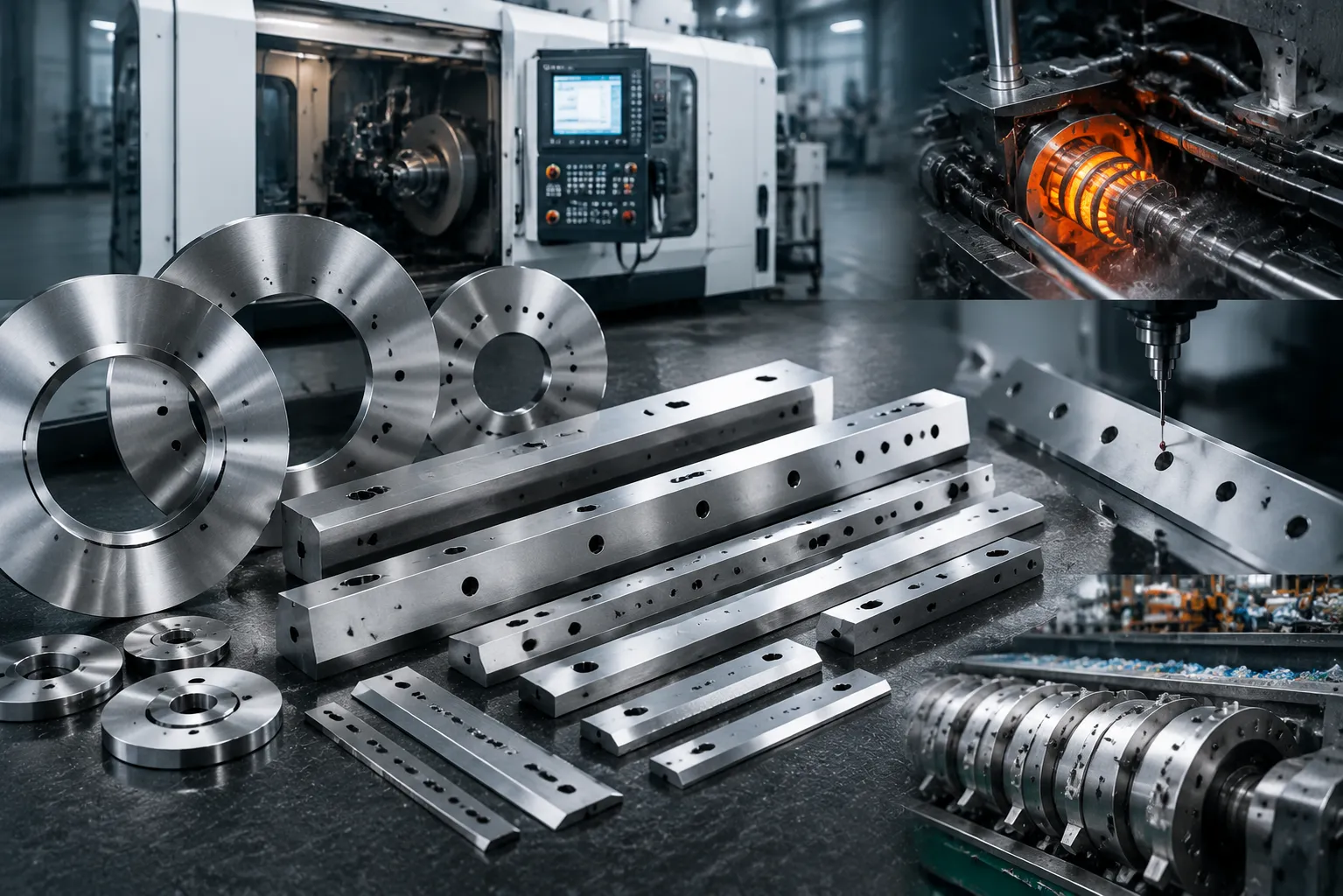
Precision Cutting Blades Tailored to Every Stage of Plastic Recycling
Plastic recycling operations demand engineered blade profiles to handle diverse polymers, contamination levels, and throughput requirements. From primary size reduction of heavy film bales and purgings to high-speed fine granulating, selecting the correct shear angle, tooth geometry, and wear-resistant tool steel is essential. Sharkcutting manufactures high-performance plastic recycling blades, granulator knives, and heavy-duty plastic shredder blades designed to maximize production rates while minimizing energy consumption and costly downtime.
Shredder Blades - Heavy-Duty Size Reduction for Bulky Waste
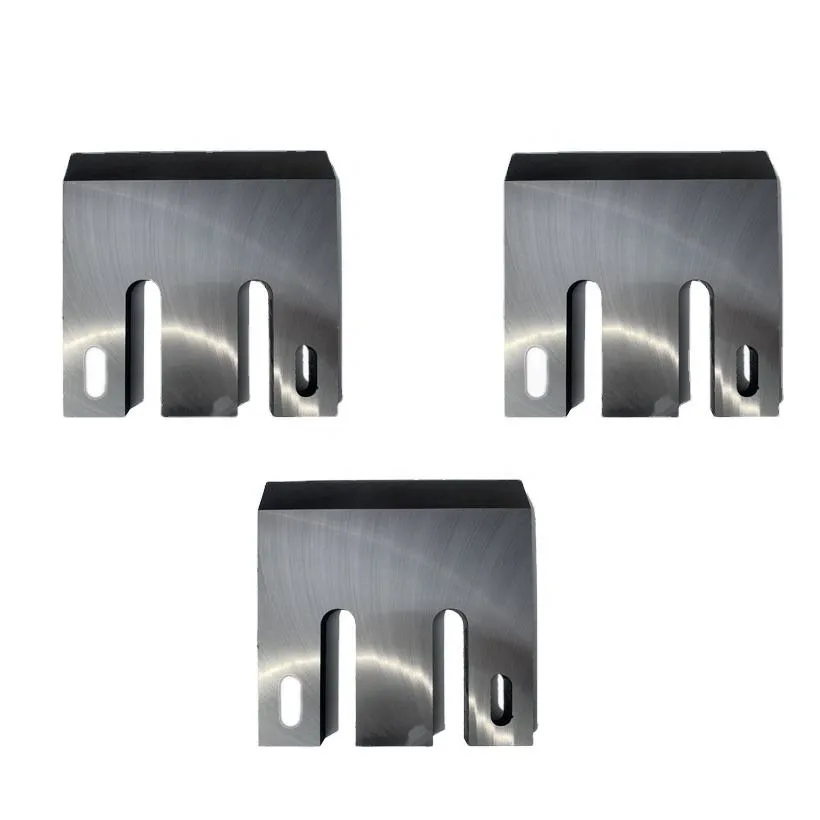
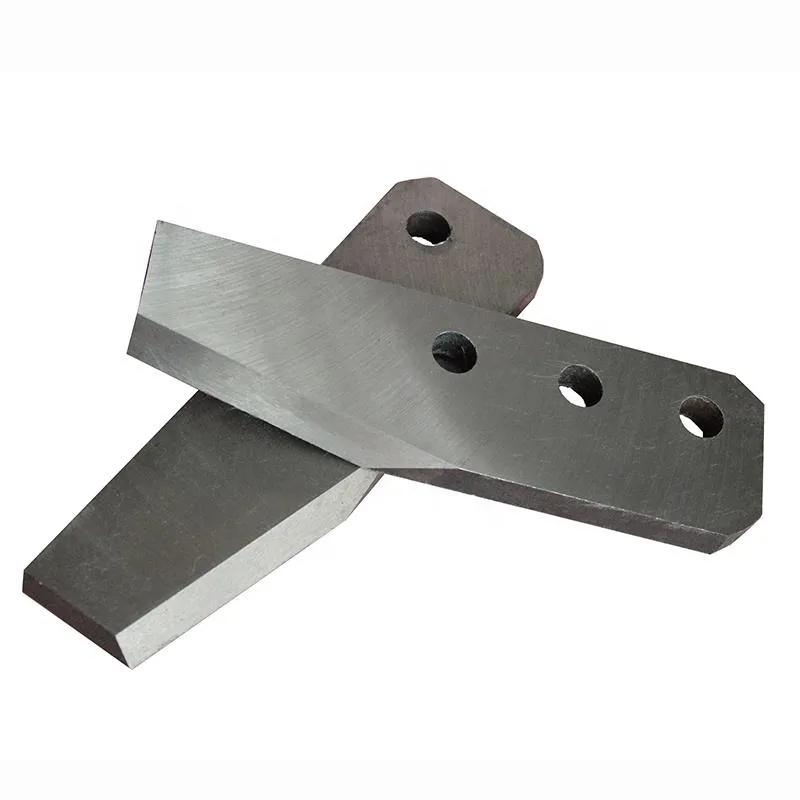
Industrial plastic shredder blades operate in demanding primary reduction environments where impact resistance and anti-chipping performance are paramount. Designed for single-shaft and dual-shaft shredders, these heavy-duty cutters process dense PE and PP film bales, thick plastic purgings, HDPE pipe sections, municipal plastic waste, and electronic scrap housings with ease.
Suitable Feedstocks
Film bales, purgings, heavy-wall pipe, automotive bumpers, mixed rigid scrap
Edge Geometry Strategy
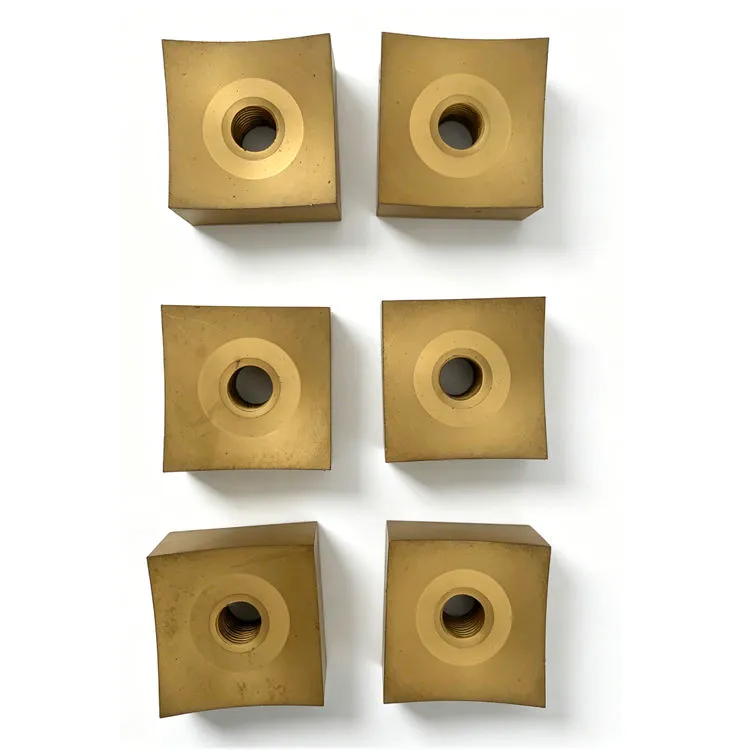
Multi-edge indexable square cutters, aggressive hook angles, anti-chipping bevels
- High Impact Resistance: Manufactured from modified D2 tool steel and shock-resistant alloys engineered to withstand tramp metal impacts.
- Indexable Quad Edges: Rotatable four-sided cutter blocks that quadruple operational life before resharpening is required.
- Precision Bed Knives: Precision-ground counter knives matching exact rotor clearances for clean shearing without material wrapping.
Selecting the Right Blade Geometry and Material Specification
Achieving maximum industrial blade durability and lower operating costs requires matching tool steel grades to specific polymer profiles and contamination levels. The guide below outlines standard engineering recommendations developed by Sharkcutting metallurgists for global plastic recycling facilities.
| Equipment Category | Target Polymer / Scrap | Recommended Blade Material | Optimal Blade Geometry | Key Operational Benefit |
|---|---|---|---|---|
| Single Shaft Shredder | PE film bales, purgings, pipe scrap | Modified D2 / SKD11 Steel | Indexable concave hook tooth | Prevents blade chipping during tramp metal contact |
| Dual Shaft Shredder | Municipal waste, e-waste housings | High-Shock Alloy Steel | Multi-claw hook edge design | High-torque shearing with minimal tooth fracture |
| Beside the Press Crusher | PET bottles, sprues, thin containers | High-Cr D2 Tool Steel | Progressive scissor-cut double bevel | Clean shear action reducing fine dust by 30% |
| High Speed Granulator | In-line film trim, thermoforming sheet | M2 High Speed Steel (HSS) | Ultra-sharp single-bevel razor profile | Maintains sharp edge under elevated friction heat |
| Abrasive Recycling Line | Glass-filled nylon, heavily soiled post-consumer | Tungsten Carbide Inlay (TCI) | Hardfaced edge with high wear allowance | Extends grinding interval up to 10x over standard steel |
OEM-Compatible Replacement Blades for Global Machinery
Sharkcutting manufactures precise drop-in replacement knives compatible with leading recycling machinery, including Cumberland, Herbold, Zerma, Rapid, Lindner, Vecoplan, Untha, and Erema. Every blade is custom-engineered to exact technical drawing specifications, ensuring complete alignment with original rotor assemblies without machinery modification.
Advanced Metallurgy and Heat Treatment for Demanding Recyclate
High-throughput plastic recycling lines subject industrial knives to aggressive mechanical shocks, intense frictional heat, and severe abrasive wear. At Sharkcutting, we combine high-grade alloy formulations, computer-controlled thermal processing, and rigorous surface grinding standards to produce premium wear-resistant tool steel blades engineered to withstand the harshest processing environments.
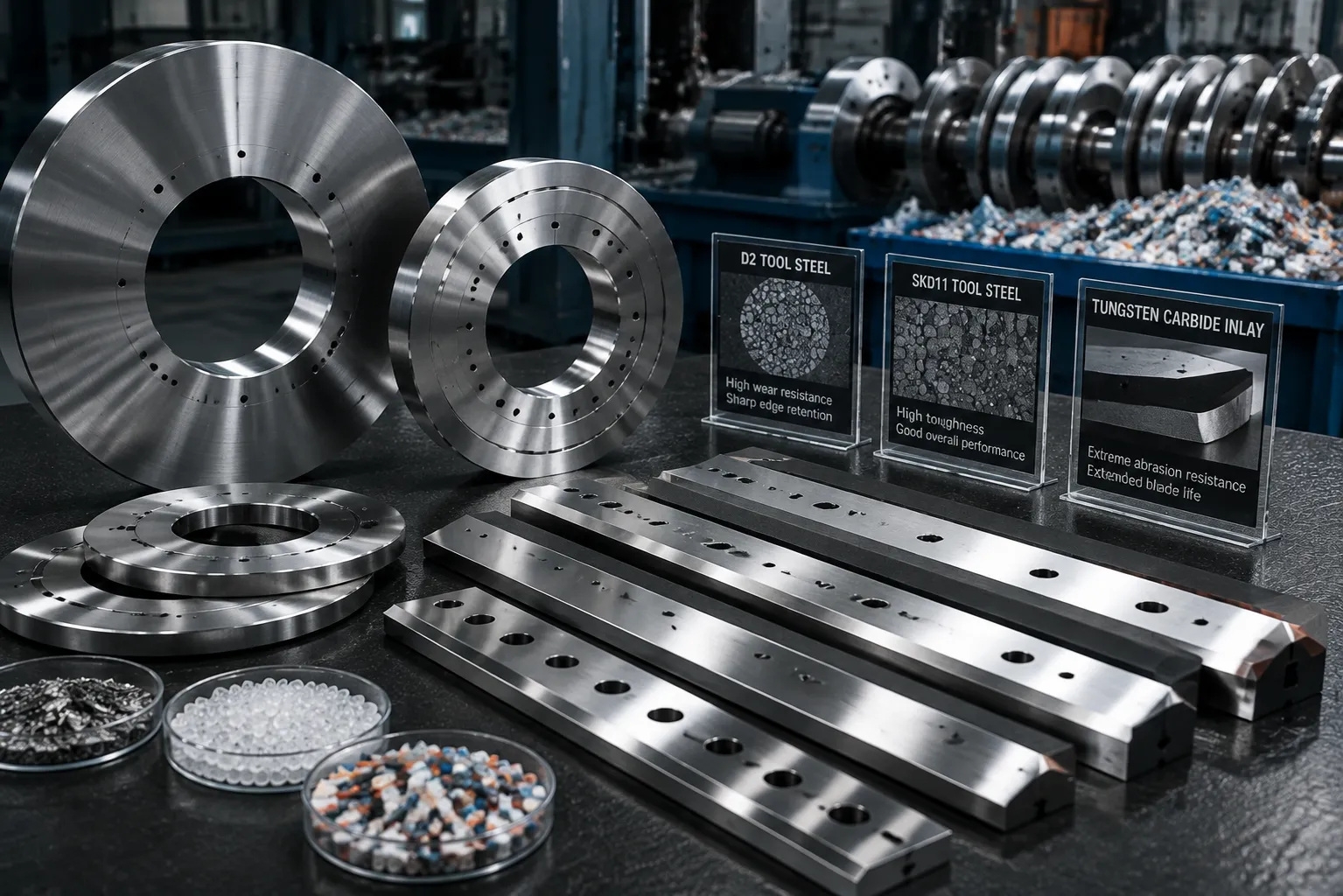
High Grade Tool Steels and Tungsten Carbide Inlay Options
Selecting the right alloy is the foundation of blade longevity. Uncontaminated post-consumer plastics require razor-sharp edge retention, while glass-filled engineering polymers demand extreme abrasion resistance. Our metallurgical engineers match your specific feedstock contamination levels to the ideal steel chemistry to minimize downtime and lower total operational costs.
- 1D2 and SKD-11 Tool Steel: High-chromium steel offering an optimal balance of wear resistance and toughness for general polyethylene, polypropylene, and PET processing.
- 2M2 High Speed Steel: Delivers superior red-hardness under elevated friction temperatures during continuous high-speed film and sheet granulating. Beyond recycling, our specialized film-cutting knives utilize these advanced alloys for pristine edge quality.
- 3Tungsten Carbide Inlay: Brazed ultra-hard carbide edges that extend service life by five to ten times when cutting highly abrasive glass-filled resins.
- 4Modified Shock-Resistant Alloy: Formulated for heavily contaminated post-consumer bales containing stray sand, dirt, or occasional tramp metal.
Material Selection Matrix for Plastic Processing
| Steel Grade | Primary Application | Hardness Range | Key Advantage |
|---|---|---|---|
| D2 Alloy Steel | PET bottles, PE film, rigid PP containers | HRC 58 to 60 | Excellent wear resistance and balanced impact strength |
| M2 High Speed Steel | In-line granulating, high-speed thin film shear | HRC 61 to 63 | Maintains cutting edge under high thermal load |
| Tungsten Carbide Inlay | Glass-reinforced nylon, abrasive composites | HRA 88 to 91 | Extreme abrasion resistance, up to 10x longer service life |
| Shock Alloy Steel | Heavy shredder primary reduction, mixed waste | HRC 54 to 56 | Prevents catastrophic chipping during heavy impact shocks |
Vacuum Heat Treatment and Cryogenic Tempering
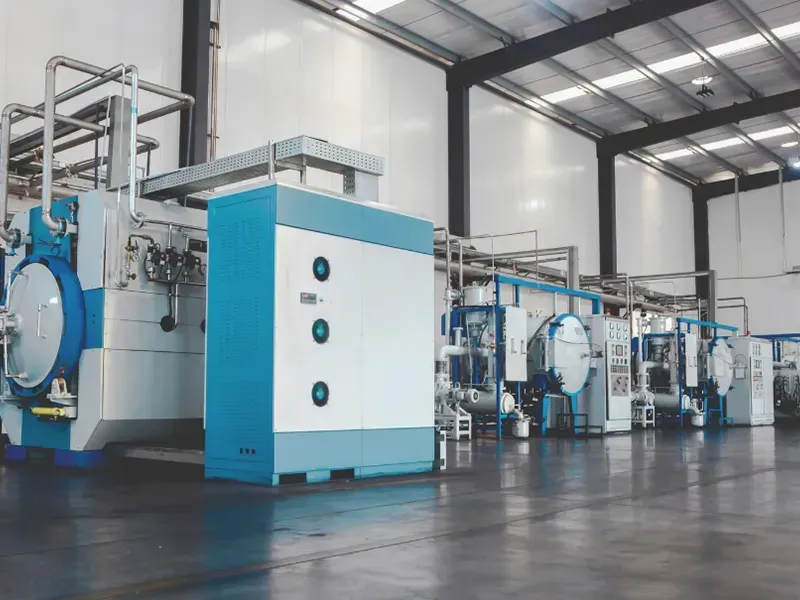
The durability of wear-resistant tool steel depends heavily on heat treatment precision. Sharkcutting employs fully automated computer-controlled vacuum furnace quenching followed by deep sub-zero cryogenic processing. This advanced protocol transforms unstable retained austenite into stable martensite, guaranteeing consistent Rockwell hardness throughout the entire body of the blade rather than just the surface layer.
Uniform cross-sectional hardness allows Sharkcutting granulator knives and shredder blades to be resharpened multiple times without losing structural integrity or edge stability.
Ultra Precision Surface Grinding and Friction Reduction
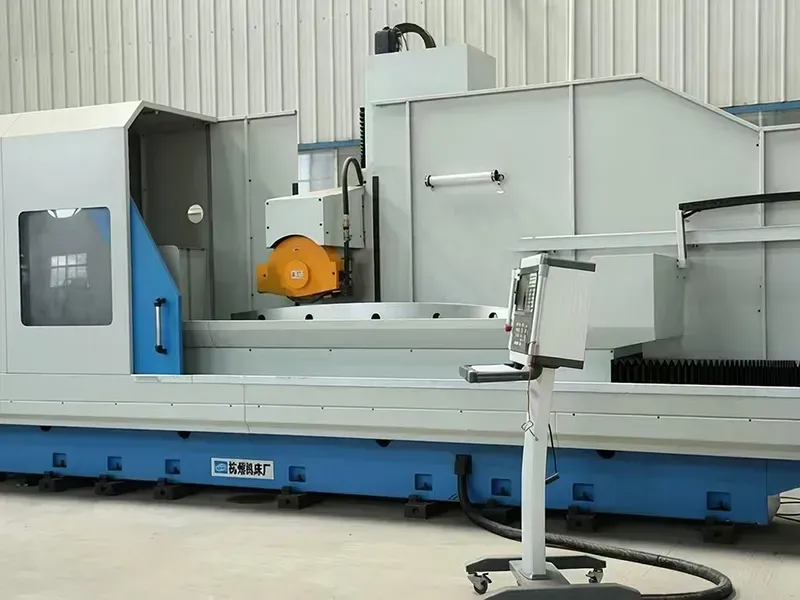
Microscopic surface irregularities on a blade face create friction, generating excessive thermal buildup that leads to polymer plasticization and material wrapping. Our precision ground edges feature mirror finish surface roughness levels under Ra 0.2 micrometers. This mirror smooth surface reduces shear resistance, prevents melted plastic from adhering to the knife, and lowers energy consumption across your recycling line.
Strict Dimensional Tolerances
CNC grinding machinery maintains tolerances within positive or negative zero point zero zero five millimeters for flawless alignment in high speed rotor chambers.
Optimized Cutting Angles
Double bevel and single scissor angles are custom ground to deliver clean shearing action, significantly reducing dust creation and fine particle generation. We apply similar high-precision engineering to our full range of paper-cutting knives.
Custom Metallurgical Matching for Extended Blade Life
Not sure which alloy or hardness rating fits your specific recycling stream? Sharkcutting provides comprehensive metallurgical analysis of your current worn blades to identify wear patterns, fatigue points, and contamination damage, delivering a tailored tool steel solution built to maximize throughput.
Streamlined 4-Step OEM Customization and Selection Guide
Selecting the correct blade specification is the single most critical factor in maximizing throughput, maintaining clean shear quality, and extending equipment service life. Operating conditions vary drastically across recycling streams, from thin polyolefin films to heavily contaminated rigid plastics. Sharkcutting provides end-to-end technical support and precision OEM blade manufacturing to ensure every blade geometry, steel alloy, and heat treatment protocol is engineered for your machinery and feedstock.
Material and Feedstock Compatibility Matrix
Aligning feedstock properties with tool steel capabilities prevents premature edge dulling, catastrophic chipping, and costly operational downtime. Use this baseline selection matrix to match your specific recovery stream with optimal steel grades, hardness levels, and cutting edge angles.
| Feedstock Type | Primary Operational Risk | Recommended Tool Steel | Optimal Edge Strategy |
|---|---|---|---|
| Clean PE and PP Film | Rapid edge dulling, film wrapping around rotors, and friction heat causing polymer melting. | M2 High-Speed Steel / D2 Tool Steel | Razor-sharp single bevel with aggressive scissor-shear angle for clean slicing without tearing. |
| PET Bottles and Rigid Flakes | Heavy cyclic impact shock, micro-chipping along cutting edges, and rapid abrasive side-wall wear. | High-Chromium D2 / Tungsten Carbide Inlay | Heavy-duty double bevel with reinforced tip geometry to absorb continuous shock loads. |
| Glass-Filled Composites | Severe abrasive friction causing rapid edge erosion and loss of cutting clearance. | Solid Tungsten Carbide Inlay (TCI) | Hardfaced edge profile with extended wear allowance engineered for abrasive glass fiber resistance. |
| E-Waste and Mixed Rigid Plastics | Catastrophic blade fracturing and chipping caused by tramp metal, sand, or structural fasteners. | Shock-Resistant S7 Steel / Modified D2 | Modified convex edge profile with stress-relief bevel to resist fracture under tramp impact. |
The Sharkcutting Custom Manufacturing Process
From precise replacement components to custom recycling knives, our turnkey workflow ensures drop-in compatibility, exact dimensional tolerances, and reliable delivery for global recycling plants.
Consultation and Drawing Verification
Submit your existing CAD files, 2D prints, or worn knife samples. We utilize high-precision optical CMM mapping to record hole centers, counterbores, and exact bevel profiles.
Application Analysis
Our metallurgical specialists evaluate polymer grade, hourly throughput, contamination risks, and thermal operating range to select the optimal alloy matrix and hardness levels.
Precision Machining and Metallurgy
Multi-axis CNC profiling guarantees dimensional consistency. Computer-controlled vacuum heat treatment and sub-zero tempering relieve stress, followed by precision surface grinding.
Quality Inspection and Global Delivery
Every production batch undergoes 100 percent CMM inspection, ultrasonic flaw testing, and Rockwell hardness testing. Blades are anti-rust coated and crated for transit.
Custom Industrial Knife Engineering Support
Need a replacement blade, OEM-compatible knife, or custom cutting solution? Share your drawings, specifications, or application requirements with our engineering team for professional material recommendations and a factory-direct quotation.
Optimizing Cutting Edge Angle and Bevel Geometry
Selecting the ideal cutting edge angle is essential for balancing shear performance and wear resistance in OEM blade manufacturing. An excessively blunt edge increases motor load and friction, driving up cutting zone temperatures until thermoplastics melt or smear. Conversely, an overly acute edge angle is susceptible to chipping or rolling when processing dense purgings, glass reinforcement, or unexpected tramp contamination.
For flexible, ductile polymers like clean low-density polyethylene films and polypropylene woven bags, Sharkcutting engineers specify a sharp single-bevel scissor geometry with cutting edge angles from 14 degrees to 18 degrees. This sharp angle shears thin webs cleanly across the bed knife without stretching, tearing, or producing excess fines. For converting operations processing continuous roll stock, we also integrate high-precision shear-slitting-knives to ensure smooth, burst-free edges.
When processing rigid engineering polymers, heavy bottle scrap, or glass-filled resins, a reinforced double-bevel geometry with primary angles from 22 degrees to 28 degrees is recommended. This compound bevel provides robust structural backing behind the cutting tip, distributing cyclic impact loads while preserving sharp edges during continuous operation.
- Rotor Gap Clearance Control: Precision grinding to ±0.005 mm ensures exact rotor-to-bed knife gap settings, preventing material bypass and dusting.
- Custom Bolt Hole Patterns: Precise counterbored and tapped hole locations to fit Cumberland, Herbold, Zerma, Rapid, Lindner, and custom machine frames.
- Cryogenic Stress Relieving: Deep sub-zero treatment converts retained austenite into tempered martensite, maximizing core toughness and wear resistance.
- Mirror Surface Polish: Surface roughness maintained below Ra 0.2 µm minimizes sliding friction and prevents polymer build-up on blade faces.
Frequently Asked Questions About Plastic Recycling Blades
Navigating tool steel metallurgy, cutting bevel geometry, and preventive re-sharpening schedules is vital for maximizing throughput and reducing operational downtime in heavy-duty plastic recycling lines. Below are detailed technical answers from Sharkcutting engineering specialists regarding blade performance, custom OEM manufacturing, and maintenance best practices.
What tool steel should I choose if my plastic waste contains minor sand or metal contamination?
For contaminated post-consumer plastic waste streams, standard high-hardness tool steels can experience premature micro-chipping or catastrophic blade failure when unexpected tramp metal, grit, or sand enters the cutting chamber.
We recommend specifying shock-resistant alloy steels or specially double-tempered D2 tool steel modified for enhanced impact toughness. These metallurgy options balance high abrasive wear resistance with superior shock absorption:
- Modified D2 Tool Steel: Double-tempered to HRC 56-58, providing excellent edge stability while absorbing severe mechanical vibration.
- Shock-Resistant Alloy Steels: Engineered specifically for high-contamination baled films and electronic scrap shredding where impact toughness outweighs pure hardness.
- Tungsten Carbide Inlay Profiles: Features localized carbide along the primary cutting zone to resist continuous abrasive wear from silica and glass-filled polymers.
Can Sharkcutting granulator and shredder knives be resharpened multiple times?
Yes. Sharkcutting granulator and shredder knives are manufactured using deep computer-controlled vacuum heat treatment, ensuring uniform hardness across the entire cross-section of the blade body rather than superficial surface hardening.
As long as the minimum operating profile dimensions and bolt clearance parameters specified by the machine OEM are maintained, our blades can undergo multiple precision regrind cycles on standard wet surface grinders without loss of core structural strength.
- Apply continuous liquid flood coolant during grinding to prevent thermal micro-cracking and localized temper loss.
- Maintain balanced weight distribution across blade sets to prevent dynamic rotor imbalance during high-RPM operation.
- Demagnetize blades thoroughly post-grinding to prevent fine metal dust build-up along the cutting bevel.
How do I order custom blades if I do not have original manufacturer CAD drawings?
You do not need original CAD drawings to order exact-fit replacement knives from Sharkcutting. Our engineering department provides comprehensive reverse-engineering services for obscure, vintage, or custom equipment.
Simply ship a new or worn sample blade directly to our facility. Our technical team executes a precise three-step mapping process:
- CMM Laser Inspection: High-precision coordinate measuring machines map exact hole centers, counterbores, bevel angles, and thickness tolerances.
- Spectrographic Alloy Testing: Optical emission spectroscopy identifies the chemical composition of your steel to evaluate performance enhancements.
- Blueprint Generation: We deliver detailed 2D production drawings and 3D STEP files for your formal review and approval prior to production.
What is the typical production lead time for standard vs. custom blade orders?
Sharkcutting maintains an extensive inventory of replacement knives for leading machinery brands including Cumberland, Herbold, Zerma, Rapid, Erema, and Lindner. Beyond recycling, we also produce specialized industrial cutting tools such as rotary slitting knives for converting applications.
Standard In-Stock Replacement Knives
In-stock products dispatch within 24 to 48 hours directly from our warehouse hubs to resolve emergency machine downtime fast.
Custom OEM Blade Manufacturing
Custom geometries and non-standard steel alloys require a 15 to 25 day production cycle, covering CNC machining, vacuum thermal processing, and precision mirror grinding.
Expedited emergency production channels are available for high-capacity recycling plants facing unpredicted line shutdowns.
How does cutting edge angle selection impact throughput and energy consumption?
Blade geometry directly dictates shear force, material friction, heat generation, and drive motor amperage draw during size reduction operations:
- Single-Bevel Scissor Geometry: Minimizes cut resistance on thin films and soft polyolefins, lowering kilowatt-hour energy usage and preventing polymer wrapping. Premium shear slitting knives utilize similar high-precision scissor principles for continuous webs.
- Heavy-Duty Double Bevels: Provides structural reinforcement for thick purgings, engineering resins, and heavy pipes to eliminate edge chipping under extreme loads.
- Optimum Shear Angle Hooks: Enhances material bite and steady feeding in shredder chambers, boosting hourly output while minimizing dust generation.
What operational maintenance practices extend blade longevity?
Consistent operational checks prevent premature wear and maintain clean shear action throughout continuous recycling shifts:
Measure rotor-to-bed knife gap clearance regularly with feeler gauges to prevent friction heating and tearing.
Use calibrated torque wrenches to prevent bolt loosening or thread fatigue under high vibration levels.
Resharpen blades at initial signs of dulling to avoid high load spikes and deep stress fractures.
Have a Technical Question Not Listed Here?
Speak directly with our chief metallurgical engineer for tailored steel selection guidance, drawing verification, and custom blade solutions optimized for your recycling machinery.
Ready to Improve Blade Performance & Reduce Production Downtime?
Partner with Shark Cutting for precision industrial blade solutions, including OEM replacement knives, custom cutting components, and application-specific engineering support. Share your requirements and receive professional recommendations with factory-direct pricing.