
Industrial Cutting Applications & Precision Blade Solutions
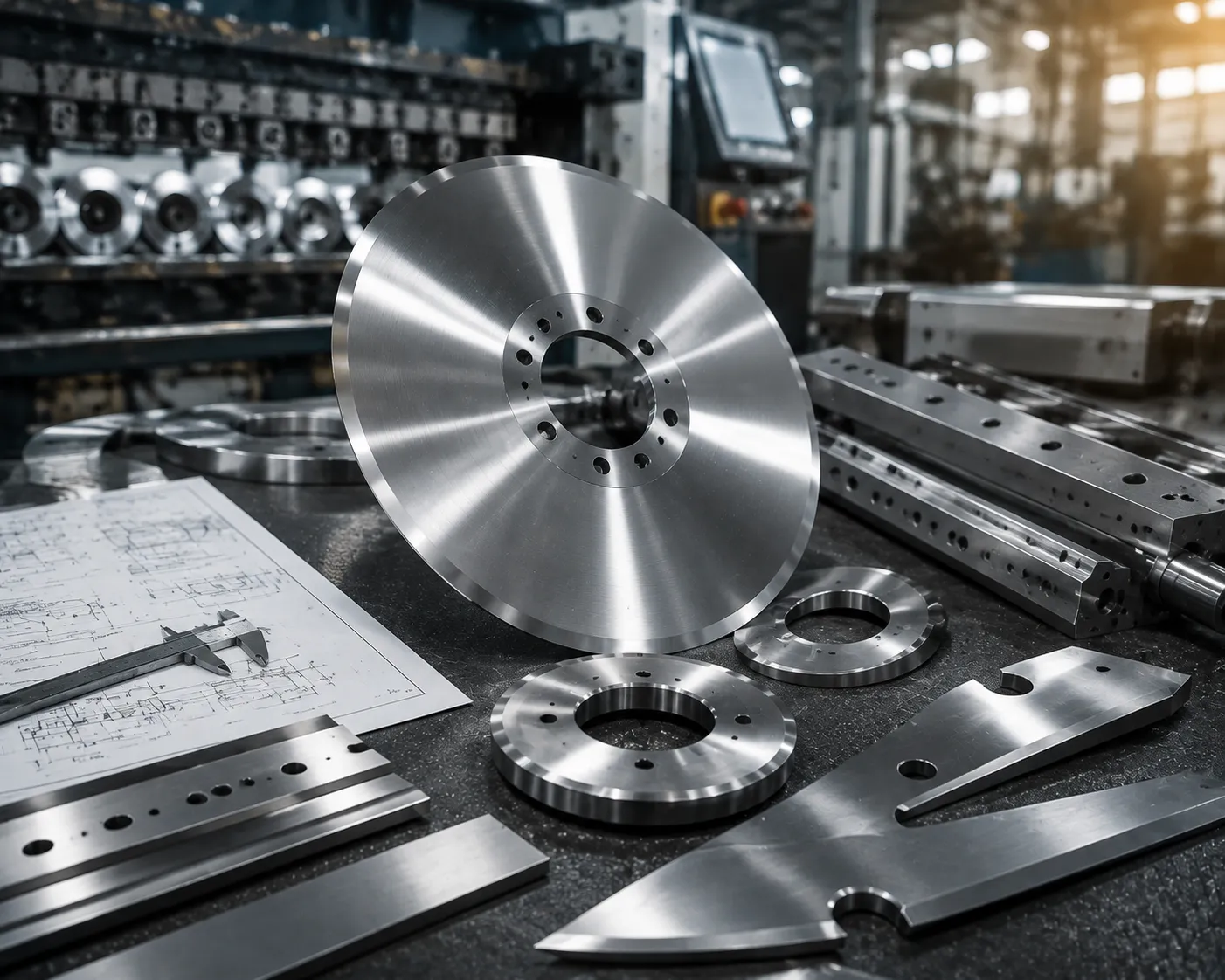
Matching high-performance industrial slitting knives with specialized manufacturing workflows to maximize operational uptime and cutting edge quality.
As a global industrial knife manufacturer, Shark Cutting delivers custom manufacturing blade solutions engineered to overcome wear, friction, and demanding line speeds.
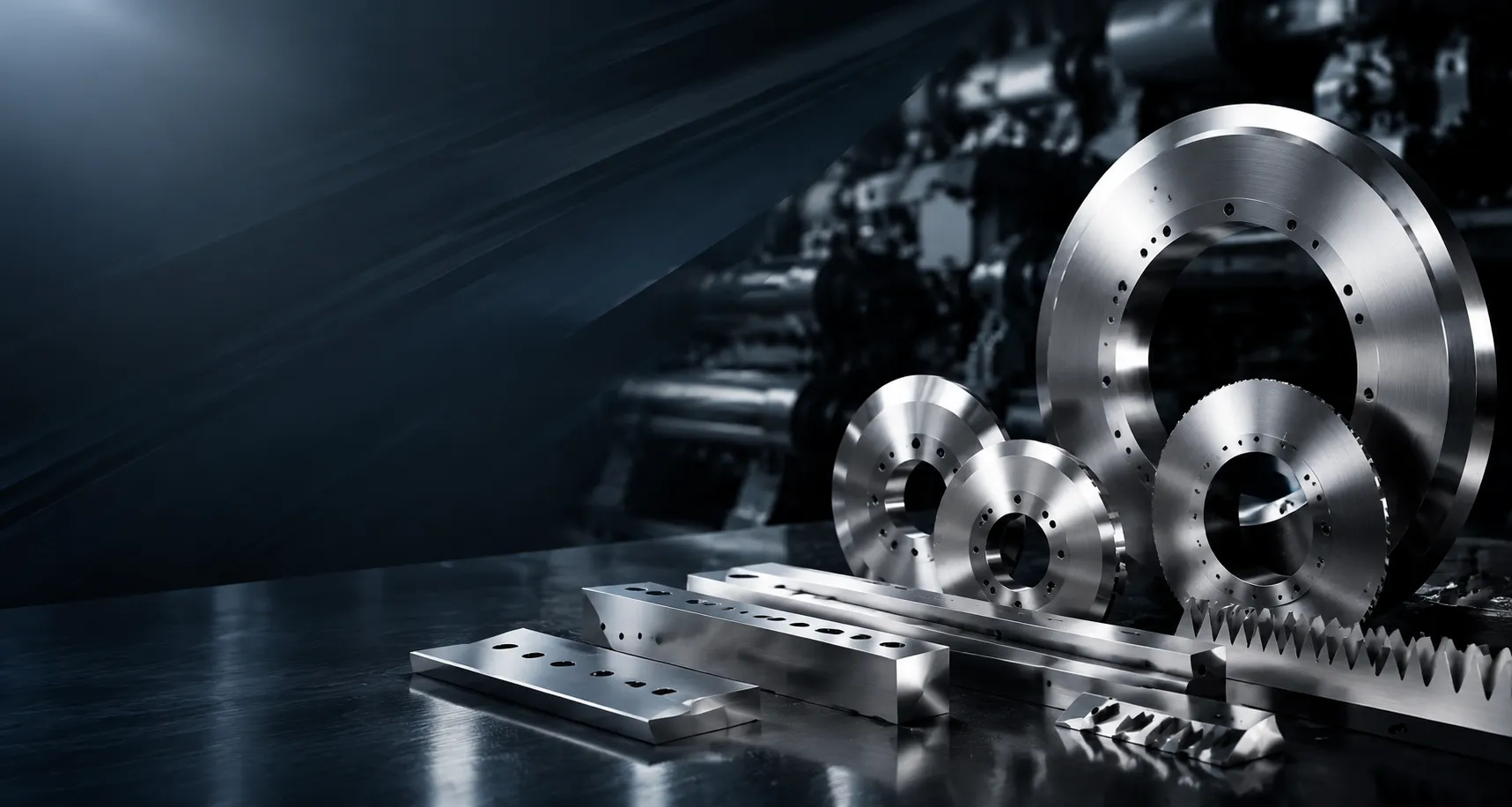
Precision-ground for high wear resistance, dust reduction, and long operational life.
Engineered Cutting Solutions for Key Industrial Sectors
Industrial cutting applications across continuous converting lines demand specialized tooling geometry and metallurgy. Whether processing abrasive recycled polymers or ultra-thin technical films, every material demands precise calibration of blade hardness, wear resistance, and edge flatness.
At Sharkcutting, our engineered industrial blades are tailored to the exact mechanical and thermal demands of these seven key production sectors. Partner with a trusted global supplier for reliable cutting blade performance engineered specifically for your manufacturing lines. By integrating high-purity tool steels, fine-grain tungsten carbide, and custom anti-friction coatings, we help plant managers eliminate premature dulling, reduce edge crushing, and minimize costly downtime across continuous high-speed production lines. Discover our comprehensive range of high-performance slitting knives designed to optimize web-handling efficiency and product yield.
Application Performance Standards
- Hardness Calibration: Custom HRC 56–68 range based on shock versus wear priority.
- Edge Flatness: Machined to within 0.002mm to eliminate burrs and substrate tearing.
- Surface Treatments: Low-friction TiN, DLC, and Teflon options for sticky or hot webs.
Plastic Recycling
Reclaiming post-consumer plastics and tough industrial regrind introduces heavy shock loads and abrasive contaminants. Our plastic recycling blades feature high shock resistance and reinforced edge profiles designed to prevent chipping during severe size reduction operations.
Shredders, Heavy-Duty Crushers, Granulators
Rotor & Bed Knives, Pelletizer Blades, Fly Knives
Packaging Manufacturing
Modern high-speed continuous packaging lines demand clean, burr-free slitting at maximum UPH rates. Our packaging cutting knives feature precision-ground micro-edges that ensure sharp cross-cuts, reduced dust buildup, and immaculate seal margins across multi-layer corrugated and flexible films.
Form-Fill-Seal Machines, Slitter-Rewinders, Tray Sealers
Circular slitter knives, Anvil Blades, Toothed Cut-Off Knives
Paper Converting
Continuous paper sheeting and roll slitting require blades that maintain sharp cutting angles without causing edge crushing or excessive paper dust. Our specialized tools for paper converting slitting guarantee stable edges and long-lasting concentricity during high-tonnage processing.
Rotary Sheeters, Core Cutters, Duplex Slitting Lines
Top & Bottom Dish Slitters, Guillotine Blades, Sheeter Knives
Film Processing
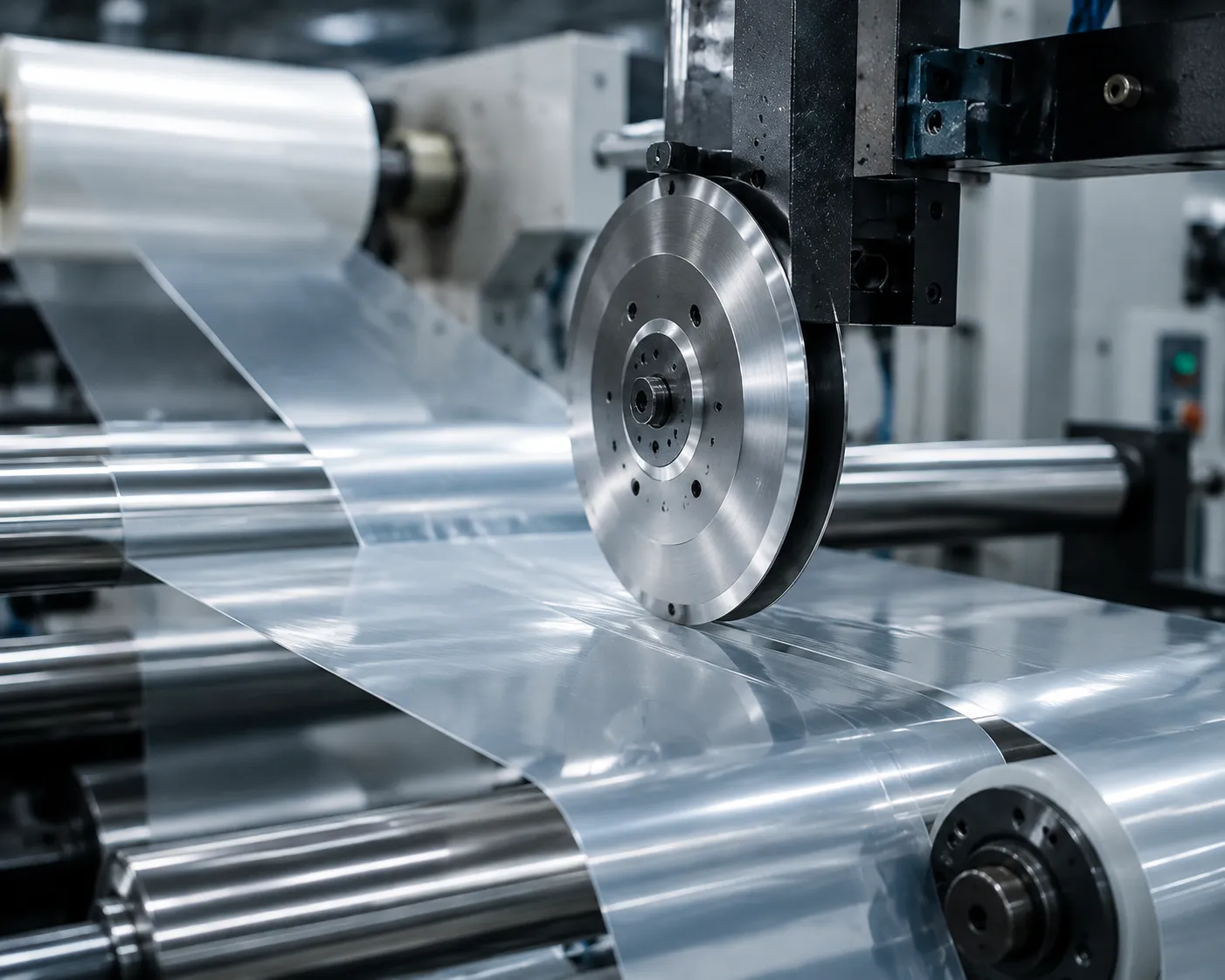
Slitting ultra-thin polymeric webs like BOPP, PET, and metallic foil laminates requires microscopic edge keenness. Our film slitting blades feature proprietary low-friction surface coatings to prevent heat buildup, film melting, and stretching during high-speed runs.
Primary Extrusion Slitters, Doctor Blade Units, Razor Assemblies
Razor slitting knives, Circular Shear Knives, Score Slitters
Nonwoven Manufacturing
Converting synthetic nonwoven rolls, spunbond fabrics, and hygienic materials calls for continuous web slitting tools that prevent fiber distortion. Our precision cutting components maintain precise shear clearances to deliver smooth edge quality at low operating pressures.
Spunbond & Meltblown Lines, Cross-Cutters, Ultrasonic Units
Rotary Shear Wheels, Continuous Slitting Rings, Chopper Knives
Rubber Processing
Dense elastomers, reinforced tire tread stocks, and conveyor belting exert intense friction and high drag on cutting surfaces. Our heavy-duty rubber cutting blades utilize specialized alloy heat treatments designed to resist galling and maintain structural integrity under elevated temperatures.
Tire Slitting Machinery, Extrusion Cut-Offs, Rubber Skivers
Skiving Blades, Tire Shredder Cutters, Rotary Rubber Cutters
Textile & Technical Fabric Industry
Trimming woven, knitted, and high-tenacity technical composites (such as Kevlar and carbon fiber) demands razor-sharp shear geometry. Our precision textile blades eliminate strand pulling and selvage fraying, delivering clean edge separation across both manual and automated CNC cutting tables.
Woven, Non-Woven & Composite Fabrics
Ultra-Acute Double Bevel Edge
Industrial Blade Application Specification Matrix
Compare core operational parameters across primary downstream sectors. Partner with a trusted global supplier to select the exact blade metallurgy and edge tolerance engineered specifically for your manufacturing lines.
| Application Sector | Primary Wear Mechanism | Core Operating Speed | Recommended Material | Critical Edge Tolerance |
|---|---|---|---|---|
| Plastic Recycling | Heavy Impact & Particle Abrasion | Low–Medium RPM | D2 / Modified A2 Tool Steel | ± 0.010 mm |
| Packaging Manufacturing | High-Cycle Micro-Edge Dulling | High-Speed Continuous | M2 HSS / Solid Carbide Inlay | ± 0.002 mm |
| Paper Converting | Frictional Heat & Dust Abrasion | Very High Web Speed | CPM Powder Steel / High-Cr | ± 0.003 mm |
| Film Processing | Surface Drag & Film Melt | Ultra High-Speed Web | Solid Tungsten Carbide + DLC | ± 0.001 mm |
| Nonwoven Production | Fiber Pulling & Edge Chipping | Continuous Web | Sub-Micron Grain Carbide | ± 0.002 mm |
| Rubber Processing | Thermal Friction & High Stress | Medium Torque / Speed | S7 Shock Steel / Modified D2 | ± 0.005 mm |
Need Custom Application Engineering?
Our metallurgists assist with custom drawing creation and reverse engineering from worn samples.
How We Match Blades to Your Processing Material
Selecting the correct industrial blade material and edge geometry requires a systematic evaluation of substrate abrasiveness, web thickness, shear mechanical stresses, and continuous production speeds. In high-demand manufacturing environments, improper blade material selection leads to premature cutting edge fatigue, excessive abrasive wear, micro-chipping, and thermal degradation, resulting in costly line downtime and compromised cut edges.
Combining advanced metallurgy and precision grinding technology across our industrial products line, we recommend custom-tailored steel grades to solve specific production bottlenecks. Whether your operations involve crushing highly abrasive recycled polymers or executing continuous high-speed thin film slitting, matching tool steel alloys and coatings to your processing requirements guarantees optimal cutting edge precision, extended industrial knife lifespan, and lowered operating costs per cut.
High-Abrasive Material Cutting Solutions
Processing silica-filled rubber compounds, vulcanized elastomers, post-consumer recycled plastic flakes, and fiber-reinforced polymers subjects cutting edges to extreme friction heat and severe mechanical wear. Standard carbon tool steels rapidly lose their keen edge under continuous impact, resulting in ragged cut profiles, polymer melting, and excessive blade replacement frequency.
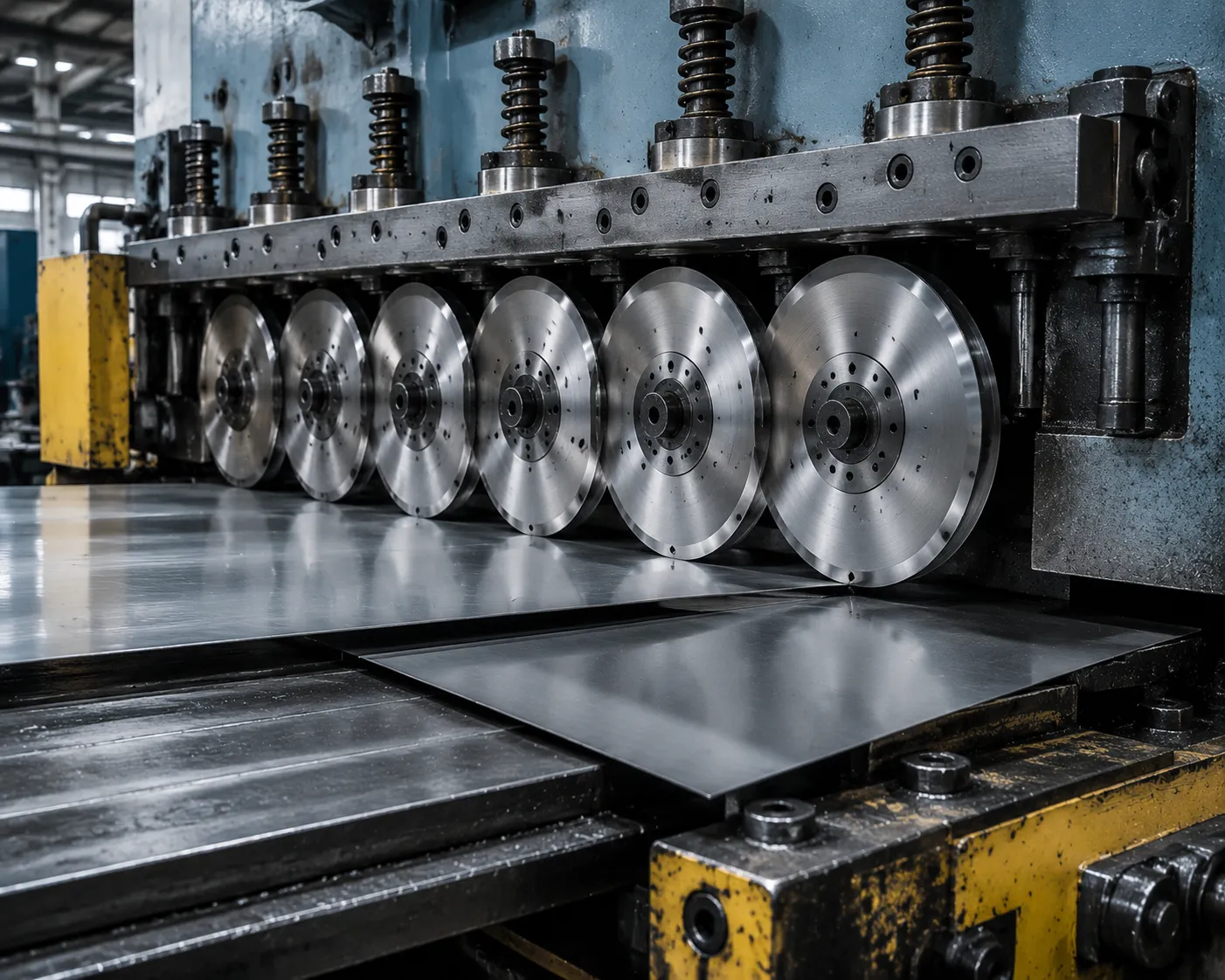
To withstand demanding high-wear environments, we engineer granulator blades, shredder knives, and pelletizing cutters utilizing high-chromium tool steels and solid carbide inserts engineered for extreme abrasion resistance and core impact toughness.
| Blade Material Grade | Metallurgy Trait | Recommended Scenario | Lifespan Value |
|---|---|---|---|
| AISI D2 Tool Steel | High-carbon, high-chromium matrix with dense carbide distribution | Granulator & crusher knives processing PET/HDPE recycled flakes | 3x Standard Tool Steel |
| M2 High-Speed Steel | Tungsten-molybdenum alloy maintaining hot hardness under extreme friction | Rubber slitting, dense polymer pelletizing, elastomer processing | 5x Standard Tool Steel |
| Tungsten Carbide Inserts | Micro-grain carbide matrix offering exceptional surface hardness | Continuous abrasive composite cutting & tire recycling lines | Up to 10x Standard Steel |
Key Technical Advantages
- Impact Resistance: Deep vacuum heat treatment prevents micro-chipping during high-energy rotor impact cycles.
- Wear Resistance: Homogeneous carbide microstructure resists severe rubbing from mineral-filled polymers.
- Thermal Tolerance: Maintains keen edge geometry under elevated operating temperatures inside continuous granulators.
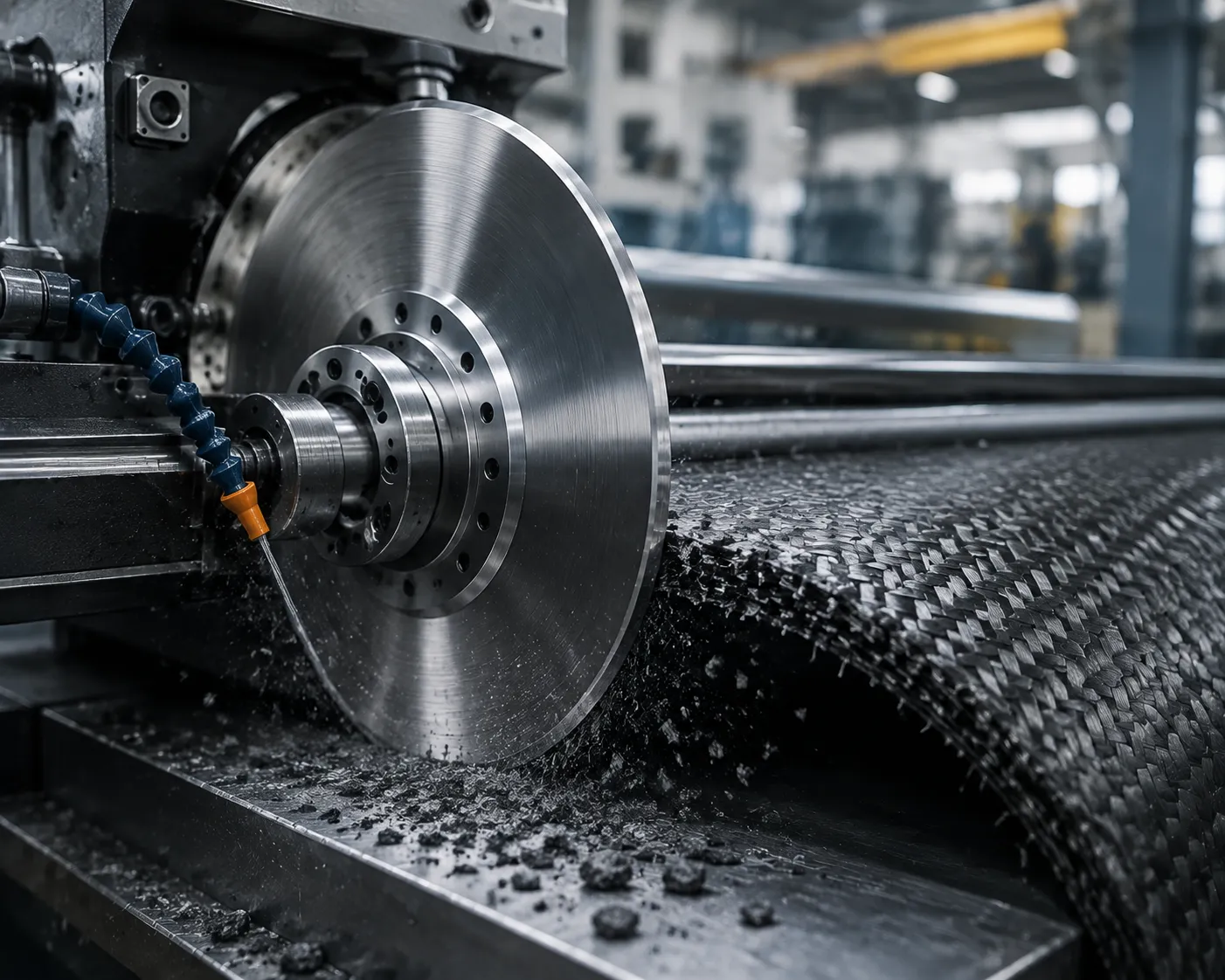
Abrasive Wear Mitigation
Our heavy-duty granulator blades and plastic recycling knives feature multi-stage bevel geometries to balance initial keen sharpness with structural edge strength.
Shredder blocks, granulator bed blades, rubber slitting wheels, pelletizer knives.
Need Custom Material Selection Advice?
Not sure which tool steel grade, solid carbide alloy, or surface coating fits your specific machinery? Our metallurgical engineering team will evaluate your substrate hardness, cutting speeds, and friction conditions to provide a tailored recommendation.
Engineered for Non-Standard Applications & OEM Machinery
Standard off-the-shelf industrial blades often struggle when integrated into proprietary machine mounts, high-speed converting equipment, or multi-layer composite cutting workflows. Whether you require specialized slitting knives or custom OEM configurations, Shark Cutting delivers end-to-end custom cutting solutions engineered to eliminate specific processing bottlenecks and increase production line uptime.
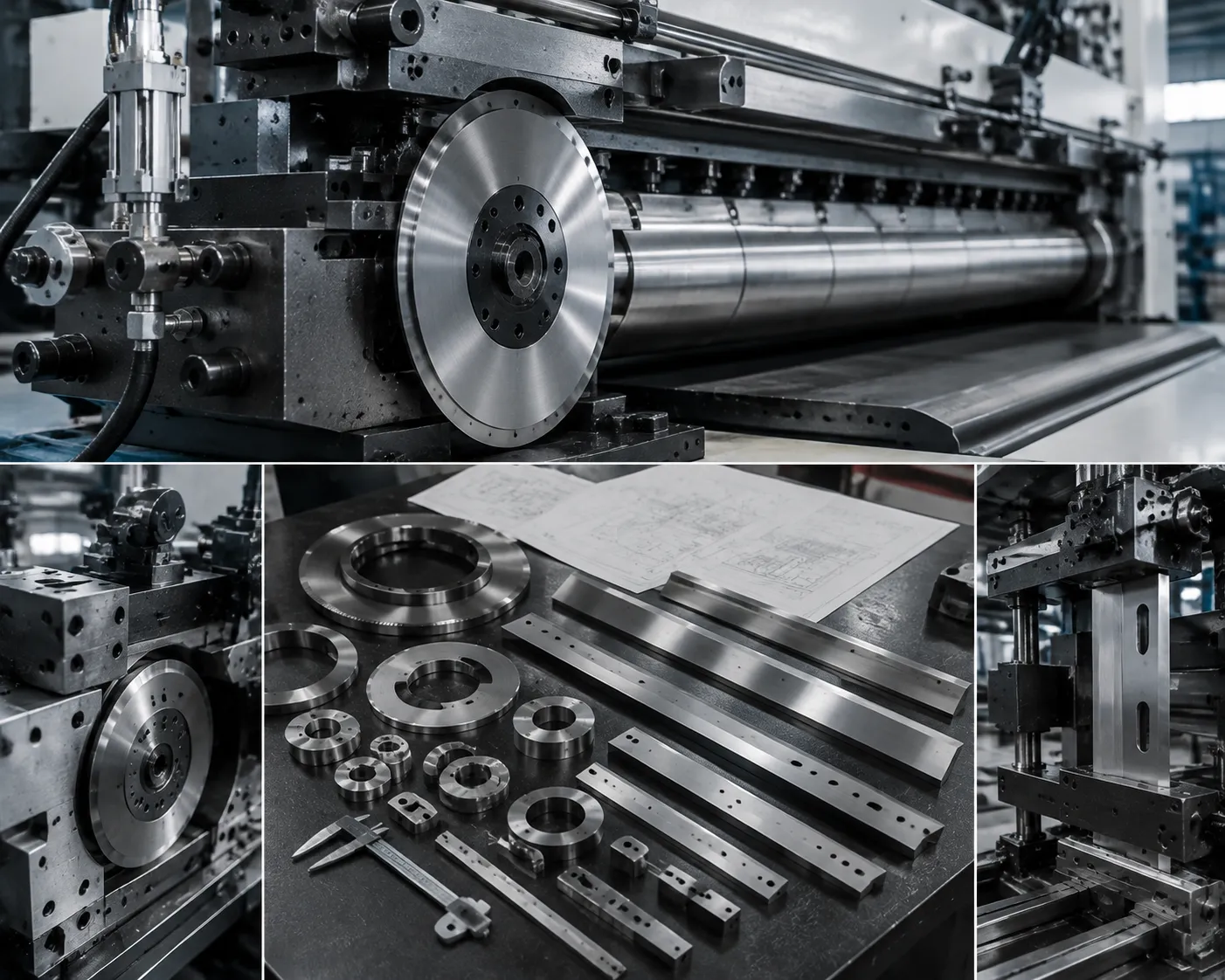
Our precision CNC machining capabilities enable Shark Cutting to manufacture custom industrial knives that fit seamlessly into global OEM processing systems. From reverse engineering worn blade samples to full CAD blueprint reconstruction, our engineering team guarantees strict geometric accuracy and high-performance alloy selection.
CAD / CAM Engineering Submissions Welcome
Upload your native technical files for rapid design evaluation and quote.
Specialized Engineering Features
Custom Edge Profiles & Bevel Angles
Tailored bevel geometries and cutting edge angles designed specifically for delicate films, nonwovens, and abrasive materials using precision circular slitter knives.
Reverse Engineering & Micro-Tolerances
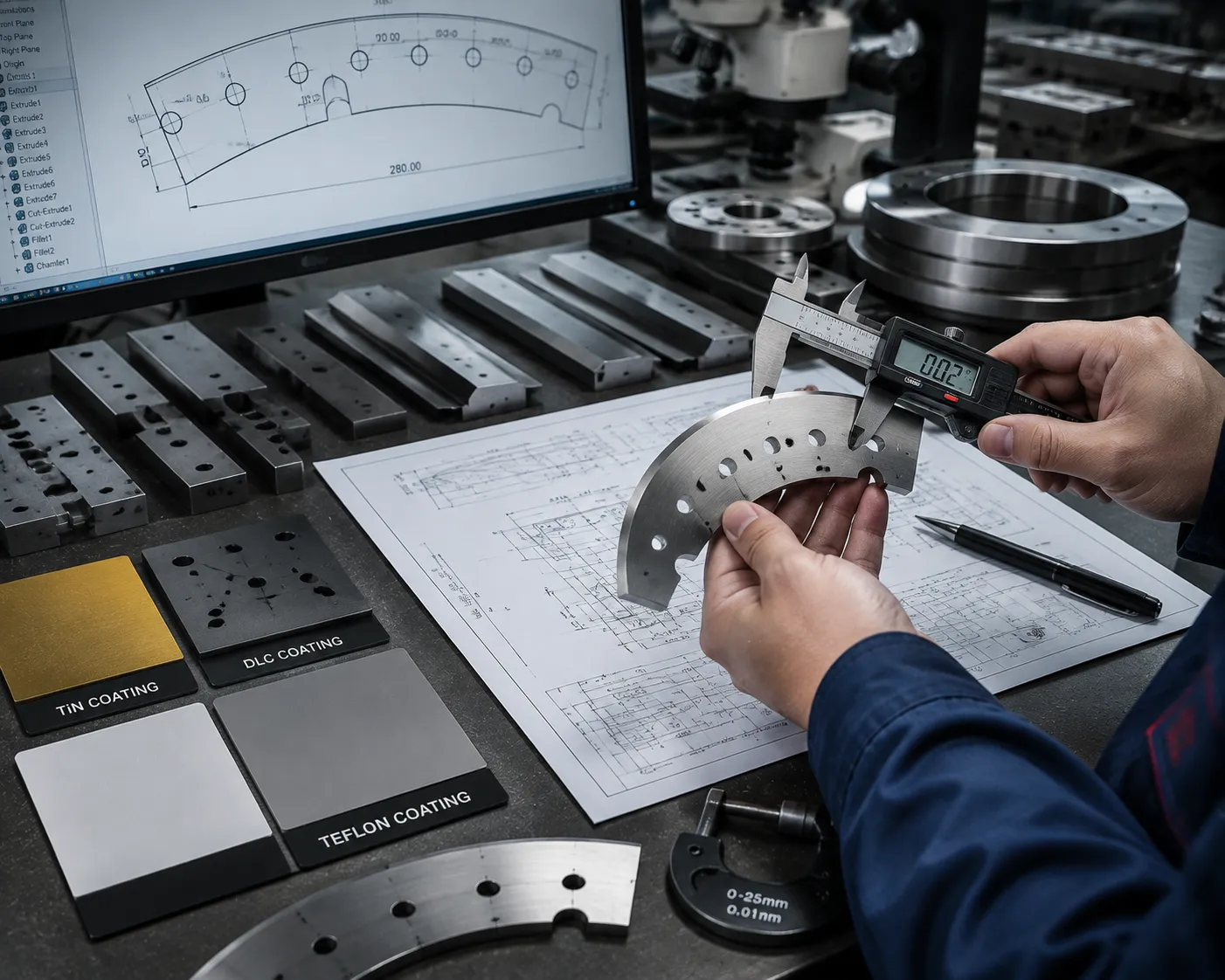
Precision scanning and metallurgic analysis from used or worn blade samples to restore OEM specifications down to ±0.002mm.
Advanced Surface Treatments & Coatings
Specialized coatings including TiN shear slitting knives, DLC, and PTFE to reduce friction, prevent material buildup, and extend knife wear life.
Rapid Prototyping & Low-Volume Runs
Fast-turnaround sample prototyping and small batch runs to facilitate machinery testing and OEM validation.
Frequently Asked Questions About Cutting Applications
Selecting the correct blade alloy, optimizing edge geometry, and understanding wear mechanisms are critical to maximizing equipment uptime and maintaining pristine cut quality. Our application engineers address key technical questions below to help you resolve operational bottlenecks, extend industrial knife lifespan, and lower total tooling costs.
How do I choose between Tool Steel (D2/M2) and Carbide blades for my application?
Selecting the ideal blade material requires balancing mechanical shock resistance, edge retention, operational speed, and unit cost against your target processing substrate:
- AISI D2 Tool Steel (58–62 HRC): High-carbon, high-chromium cold-work steel offering exceptional structural toughness and chip resistance. It serves as the primary cost-effective solution for heavy-impact plastic recycling, granulator blades, and thick packaging shear cutting.
- AISI M2 High-Speed Steel (62–65 HRC): Formulated with tungsten and molybdenum for superior thermal red-hardness and wear resistance. M2 excels in continuous, high-speed slitting and paper converting lines where friction generates elevated edge temperatures.
- Tungsten Carbide (Solid & Brazed Inlaid Inserts): Reaches 75–82 HRC equivalent hardness, providing 10x to 50x longer wear life in highly abrasive applications such as glass-reinforced rubber, highly filled polymer films, and abrasive nonwovens.
While carbide slitting knives require rigid machine setups to prevent micro-chipping under vibration, their extended operational lifespan dramatically reduces line stoppages and tooling replacement frequency over high-volume production runs.
What factors cause premature blade wear in film slitting and packaging lines?
Accelerated edge degradation and inconsistent cut quality on automated flexible packaging and film processing lines stem from several compounding operational variables:
- Frictional Thermal Spikes: High web processing speeds generate intense localized heat at the extreme cutting tip, causing micro-annealing and softening of untreated tool steel edges.
- Abrasive Substrate Additives: Inorganic fillers such as Titanium Dioxide (TiO2) whitening agents, calcium carbonate, and silica anti-blockers act as abrasive grinding compounds against the blade edge.
- Web Tension & Alignment Deflection: Uncontrolled lateral web flutter or improper blade shear overlap forces side friction, inducing burrs, premature bevel rounding, and uneven edge wear.
- Adhesive & Polymer Residue: Hot-melt adhesives and tacky resins build up on un-coated blade faces, increasing dragging resistance and substrate tear forces.
Implementing specialized surface treatments like Titanium Nitride (TiN), Diamond-Like Carbon (DLC), or Teflon (PTFE) creates a lubricious, heat-resistant barrier that prevents friction buildup and extends slitting optimization.
Can you manufacture replacement blades based on existing machine drawings or samples?
Yes. At Shark Cutting, our specialized manufacturing division specializes in custom cutting solutions and precise industrial knife replacement for standard and legacy machinery.
Our engineering team utilizes optical 3D CMM coordinate measuring systems, spectrographic material composition analyzers, and precision digital hardness testing to reverse engineer worn or fragmented blade samples. We reconstruct detailed CAD/CAM production blueprints that verify critical mounting hole patterns, edge bevel angles, and thickness tolerances.
By combining CNC multi-axis precision grinding with vacuum atmosphere heat treatment, we maintain tight machining tolerances down to 0.002mm (±2 microns), ensuring exact drop-in fitment for leading global OEM processing systems.
How does blade angle geometry impact edge quality in nonwoven and paper converting?
Blade bevel profile and edge geometry dictate penetration forces, edge crushing resistance, and dust emissions during high-speed paper converting and nonwoven slitting:
- Single Bevel Profiles: Provide a flat shearing plane on one face, enabling clean razor slitting and trim removal without compressing sensitive web materials.
- Double / Compound Bevels: Incorporate a primary cutting angle reinforced by a secondary support land. This geometry delivers essential mechanical backing, preventing micro-chipping when shear-cutting dense paperboard or abrasive synthetic nonwovens.
- Acute Included Angles (14°–18°): Drastically lower cut resistance, yielding clean separation and minimal fiber dust emission in high-speed web operations.
- Blunt Included Angles (22°–30°): Increase structural edge strength for heavy-duty shear slitting knives and high-impact slitting equipment.
Leveraging extensive metallurgy and cutting edge precision expertise, Shark Cutting evaluates substrate parameters to recommend exact bevel configurations, extending blade service life while safeguarding product finish.
Need Custom Material Advice?
Every production line presents specific thermal and mechanical demands. Our technical specialists analyze your material properties to recommend the optimal alloy, hardness, and edge geometry.
- ✓ 0.002mm machining tolerance control
- ✓ Reverse engineering from worn samples
- ✓ TiN, DLC & Teflon low-friction coatings
- ✓ Support for DWG, STEP & DXF drawings
Fast Technical Turnaround
Engineering drawings evaluated within 24 business hours by our specialized blade technicians.
Ready to Optimize Your Cutting Application Performance?
Consult with our technical engineers today to determine the exact blade geometry, alloy grade, and machining tolerance for your equipment across diverse line needs, including specialized paper-cutting-knives, film converting, and heavy-duty processing.
Partner with Sharkcutting, a trusted global supplier delivering high-precision film-cutting-knives performance engineered specifically for your manufacturing lines.
- Fast custom blade quotes
- Engineered alloys & tight tolerances
- Direct application engineer support
- Global OEM & ODM manufacturing