
Paper Converting Line Case Study: Precision Slitting Performance & Extended Blade Life
By upgrading to Shark Cutting’s precision-engineered paper converting slitting knives, a high-volume processing facility eliminated severe edge dust, minimized blade wear, and significantly extended maintenance intervals.
Instant access — no registration required
Paper Converting Line Baseline and Technical Bottlenecks
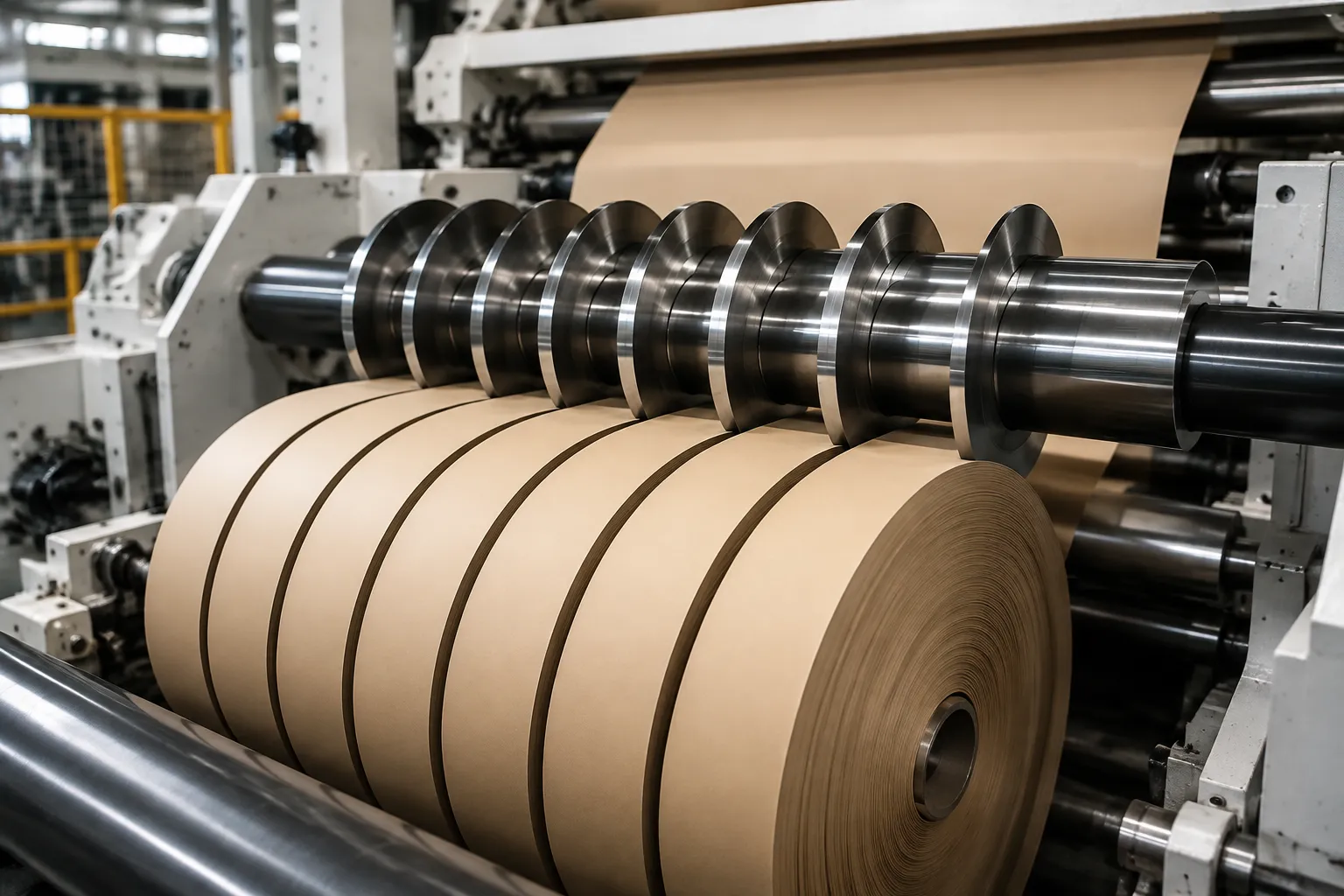
High-speed paper converting operations rely on precise shear geometry, optimal blade clearances, and sustained edge endurance. Prior to engineering intervention, the customer operated a high-capacity mill processing 100 tons of continuous roll and specialty paper daily. Using standard tool steel cutter sets created persistent paper converting line issues, causing rapid knife blade wear, high downtime, and excessive levels of airborne slitting dust.
Original Production Line Setup
The processing plant ran continuous multi-shift operations to convert roll paper and abrasive specialty grades. Conventional alloy steel slitting knives struggled to maintain tight dimensional tolerances and crisp shearing edges under severe physical demands.
Daily Output Target
100 Tons Roll & Specialty Paper
Tooling Material
Standard Tool Steel Blades
Maintenance Frequency
Downtime Every 48 Hours
Three Core Operational Challenges
An in-depth performance audit revealed three root failure modes caused by traditional tool steel cutter sets operating in demanding, high-speed shearing environments.
Rapid Blade Wear and Unscheduled Stoppages
Accelerated knife blade wear required mandatory machine shutdowns every 48 hours for tooling adjustments, regrinding, or complete replacements. For high-performance lines, integrating premium shear slitting knives can stabilize production uptime. Frequent interruptions drastically reduced overall plant capacity and kept maintenance teams trapped in a costly reactive cycle.
- Frequent blade replacement cycles reduced monthly production availability
- Inconsistent cutting edge breakdown demanded ongoing manual knife gap re-alignment
Severe Edge Burrs and Heavy Airborne Slitting Dust
Dull blade bevels converted scissor-like shearing into compressive pinching and tearing. This generated jagged paper edges with heavy burring, while massive amounts of fine slitting dust accumulated inside downstream packaging, optical sensor, and wrapping units.
- Slitting dust buildup required frequent unscheduled cleaning on automated packaging equipment
- Rough edge cuts led to customer rejections and elevated material scrap volumes
Microscopic Edge Chipping on Heavy Basis Weight Grades
Slitting high basis weight boards and specialty papers produced high localized shock loads along the cutting edge. Standard tool steel blades lacked the impact toughness required, leading to micro-chipping along the blade edge and complete shear failure.
- Unpredictable edge chipping caused sudden paper web breaks and line re-threading delays
- Chipped upper knives gouged paired lower shear rings, multiplying total tooling replacement costs
Detailed Technical Analysis of Paper Converting Line Issues
High-volume paper slitting exposes rotary slitting knives to intense friction, high thermal stresses, and mechanical vibration. Standard tool steel alloys lack the hard carbide volume fraction necessary to resist abrasive mineral fillers like calcium carbonate, titanium dioxide, and kaolin clay present in specialty papers. As the cutting edge rounds, clean shearing forces turn into sliding friction, accelerating knife blade wear and releasing large volumes of airborne slitting dust.
Impact on Equipment and Operational Expenses
Tooling degradation triggers compounding inefficiencies across the converting plant, elevating operational costs and reducing yield:
- • Excessive Maintenance Hours: Maintenance crews spent dozens of hours monthly resetting blade clearances and replacing worn sets.
- • Downstream Equipment Fouling: Fine slitting dust coated drive belts, bearings, and photoelectric sensors on packaging machinery.
- • Increased Raw Material Waste: Frequent web breaks during emergency stoppages generated substantial paper scrap during restarts.
Root Causes in Tool Metallurgy and Geometry
Metallurgical examination and wear analysis identified three primary engineering flaws in the client's original knife setup:
- • Insufficient Hardness Retention: Conventional tool steel softened rapidly under high-speed frictional temperatures.
- • Suboptimal Hardness Matching: Using identical hardness on upper and lower knives accelerated mutual edge abrasion.
- • High Surface Roughness: Suboptimal bevel grinding finish increased cutting friction and debris accumulation.
Shark Cutting Engineering Support
We provide precise technical diagnostics and material upgrade services targeted at tooling wear challenges in the paper converting industry.
Custom Shear Slitting Blades & Tungsten Carbide Slitter Upgrade
To resolve frequent line shutdowns and poor edge quality on high-speed converting machinery, Sharkcutting implemented a comprehensive material and geometric upgrade using industrial-grade slitting knives. Legacy tool steel blades degrade rapidly under continuous shear friction, generating excessive paper dust and burrs. By transitioning to a premium tungsten carbide slitter configuration with optimized edge geometry, this custom engineering solution delivers precision paper slitting, minimal dust, and extended production uptime.
Advanced Tungsten Carbide Slitter & PM-HSS Metallurgy
Standard alloy tool steels like D2 or AISI O1 wear rapidly under continuous web friction, quickly dulling knife edges when cutting heavy basis weight roll paper or specialty grades with abrasive fillers. Sharkcutting engineered a dual-material pairing tailored specifically for abrasive, high-speed converting lines.
The upper slitter knives were upgraded to sub-micron grain tungsten carbide slitter inserts, delivering exceptional resistance against micro-abrasion and premature edge breakdown. For the mating bottom shear blades, powder metallurgy high-speed steel (PM-HSS) was selected to provide superior impact toughness, preventing micro-chipping during web tension fluctuations.
Precision Edge Geometry for Low-Friction Shear Slitting Blades
Cutting edge geometry directly governs paper dust generation and heat buildup during continuous operations. Sharkcutting utilizes multi-axis CNC diamond grinding to achieve an exceptional surface roughness finish of Ra 0.2 μm or finer across all premium shear slitting knives.
By optimizing the primary shear angle and secondary relief angles, friction-generated heat is reduced by over 35%. The polished mirror finish prevents paper fibers, fillers, and adhesives from adhering to the blade face, maintaining clean cutting action at line speeds exceeding 800 m/min.
Engineered Hardness Differential for Precision Paper Slitting
Achieving consistent quality in precision paper slitting requires careful control of the interface between the top male blade and bottom female anvil knife. Pairing identical material hardnesses often results in premature galling, severe wear, and edge dulling.
Our engineering team calibrated the precise hardness differential and radial clearance between the upper and lower blades. Pairing an ultra-hard top carbide blade with a shock-absorbing PM-HSS bottom anvil ensures smooth scissor-cutting performance with zero blade chatter and continuous dust-free slitting.
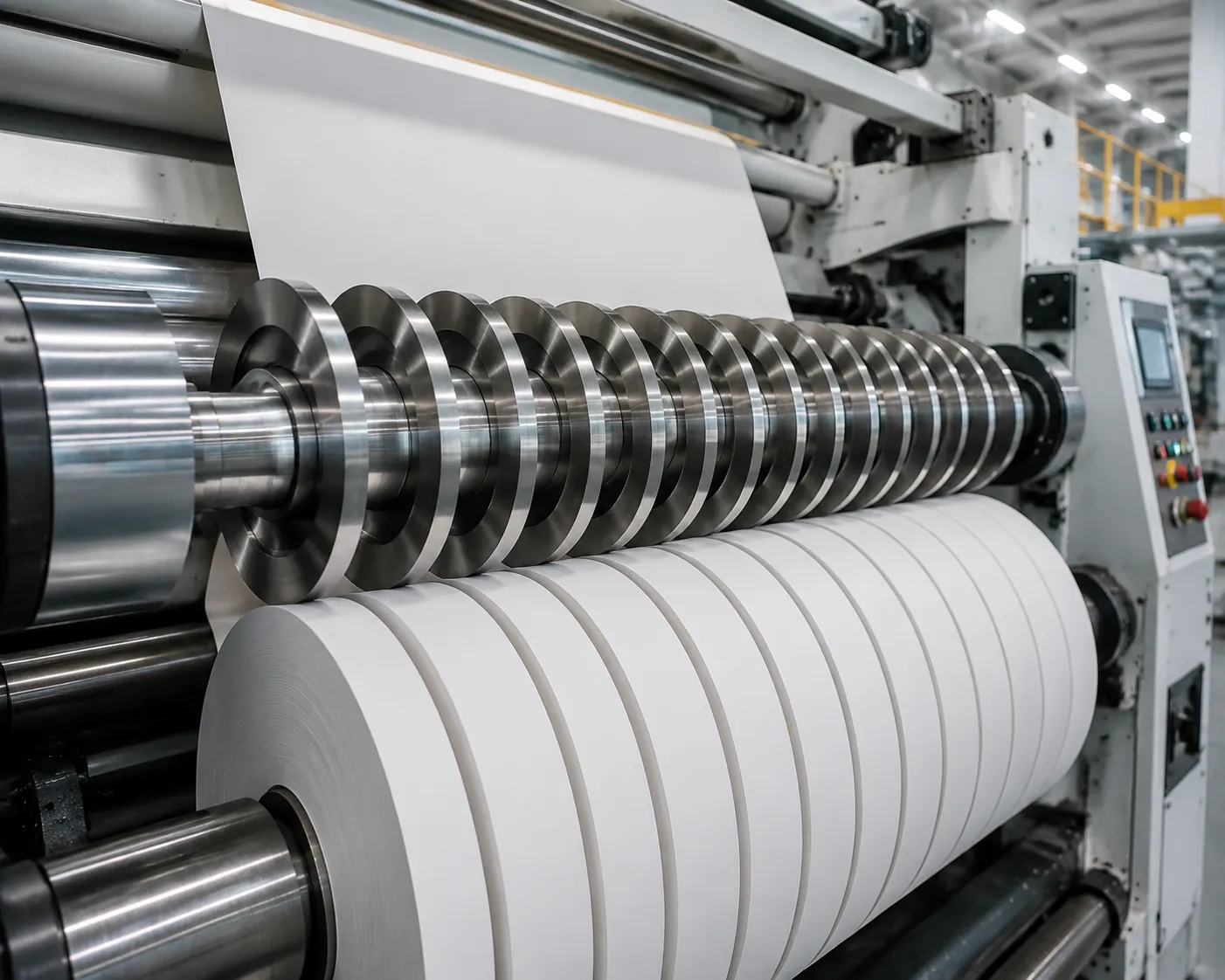
Custom Sharkcutting tungsten carbide slitter and PM-HSS tooling configuration featuring high-performance circular slitter knives engineered for heavy basis weight paper converting.
- Blade Roughness Ra ≤ 0.2 μm
- Top Blade Material Sub-Micron Tungsten Carbide
- Bottom Anvil Material Powder Metallurgy HSS
- Slitting Mechanism Precision Rotary Shear
- Target Application 100T+ Daily Paper Converting
Technical Specification Comparison: Top vs. Bottom Blade
Detailed engineering overview of material chemistry, hardness differentials, and performance advantages achieved with custom Sharkcutting tooling.
| Specification Parameter | Top Shear Male Blade | Bottom Female Anvil Knife | Operational Benefit |
|---|---|---|---|
| Upgraded Material Class | Sub-Micron Tungsten Carbide (WC-12Co) | Powder Metallurgy HSS (PM-M4 / CPM) | Maximum wear resistance combined with superior impact toughness |
| Hardness Rating | 88 – 92 HRA | 63 – 66 HRC | Eliminates surface galling and micro-chipping under high tension |
| Surface Finish | Ra 0.15 – 0.20 μm | Ra 0.20 μm | Minimizes cutting heat and prevents fiber/coating adhesion |
| Edge Grind Tolerance | ± 0.002 mm | ± 0.003 mm | Ensures exact dual-blade clearance and chatter-free cutting |
| Primary Performance Result | 250% Extended Sharpness Life | Multiple Resharpening Cycles | Significantly increases converting uptime and lowers cost per ton |
Operational Gains and Dust-Free Precision Paper Slitting
By combining specialized metallurgy with engineered edge geometry, Sharkcutting transformed a high-maintenance converting bottleneck into a reliable, high-yield production line. The upgraded shear slitting blades provide measurable performance gains across every shift:
Eliminated paper burrs and edge tearing on heavy paper stocks, producing pristine roll edges that meet strict downstream standards.
Drastically reduced paper dust generation, keeping optical sensors, tension rollers, and slitter knife holders clean.
Custom-engineered dimensions fit directly into existing slitter-rewinder holder assemblies without machine modifications.
Extending Blade Wear Life & Maximizing Converting Uptime
Our strict dimensional precision and quality inspection system ensure that every delivered Sharkcutting knife achieves excellent and stable performance. Discover how optimized tool geometry in our slitting knives dramatically extends the slitting maintenance interval while cutting operational overhead.
Continuous operation runtime increased from 48 hours to 168 hours per single knife set.
Significantly reduces slit-edge debris, drastically lowering cleaning frequency and maintenance labor.
Comprehensive shutdown maintenance costs decreased substantially when calculated on a monthly basis.
Full Return on Investment Achieved in Just 18 Days
Eliminating unscheduled blade changes and maximizing productivity with high-performance circular slitter knives fully recovered the new Sharkcutting knife investment by the 18th day.
Visual Performance Benchmarks
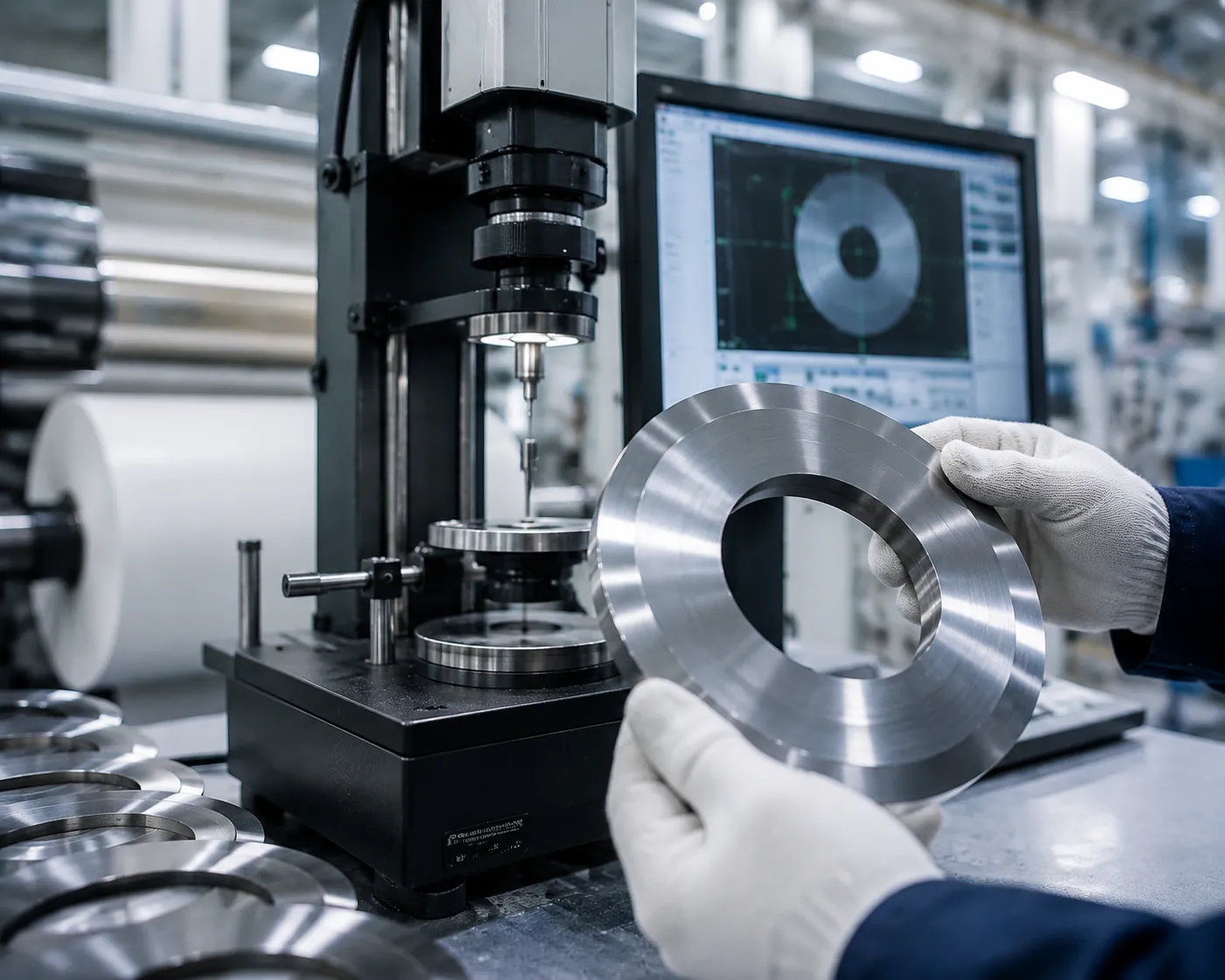
Rigorous quality control and microscopic dimensional verification guarantee long-term operational stability.
Before Optimization vs After Optimization Comparison
Detailed metrics demonstrating extended blade wear life and optimized converting uptime.
| Performance Dimension | Before Optimization | After Optimization (Sharkcutting) | Quantified Value Impact |
|---|---|---|---|
| Single Knife Set Service Life | 48 Hours (Continuous) | 168 Hours (Continuous) | +250% Service Life |
| Edge Dust Generation Volume | Baseline (100% Debris) | Reduced by 85% | -85% Dust & Debris |
| Slitting Maintenance Interval | Frequent (Every 2 Days) | Extended (7 Days Continuous) | 71% Fewer Stops |
| Monthly Shutdown Maintenance Cost | Standard Monthly Overhead | Reduced by 60% Monthly | 60% Expense Cut |
| Knife Investment Payback Period | Standard Wear Cost | Fully Recovered on Day 18 | Rapid ROI |
Field Application Details & Real-World Slitting Performance
Achieving consistent cutting accuracy across continuous paper mill converting operations demands absolute precision at the slitting interface. High-speed slitting lines running above 1,000 meters per minute expose standard tool steel to excessive friction heat, rapid micro-wear, and edge degradation. The following real-world technical details demonstrate how Sharkcutting's circular slitter knives maintain peak cutting equilibrium and continuous output under extreme industrial stress.
Through optimized edge geometries, mirror-finish grinding, and differential hardness tuning, our tungsten carbide and powder metallurgy shear slitting knives deliver smooth, dust-free slitting while virtually eliminating downtime. As an established industrial knife manufacturer, Sharkcutting ensures that every custom blade set seamlessly integrates into existing paper mill converting equipment without structural modifications.
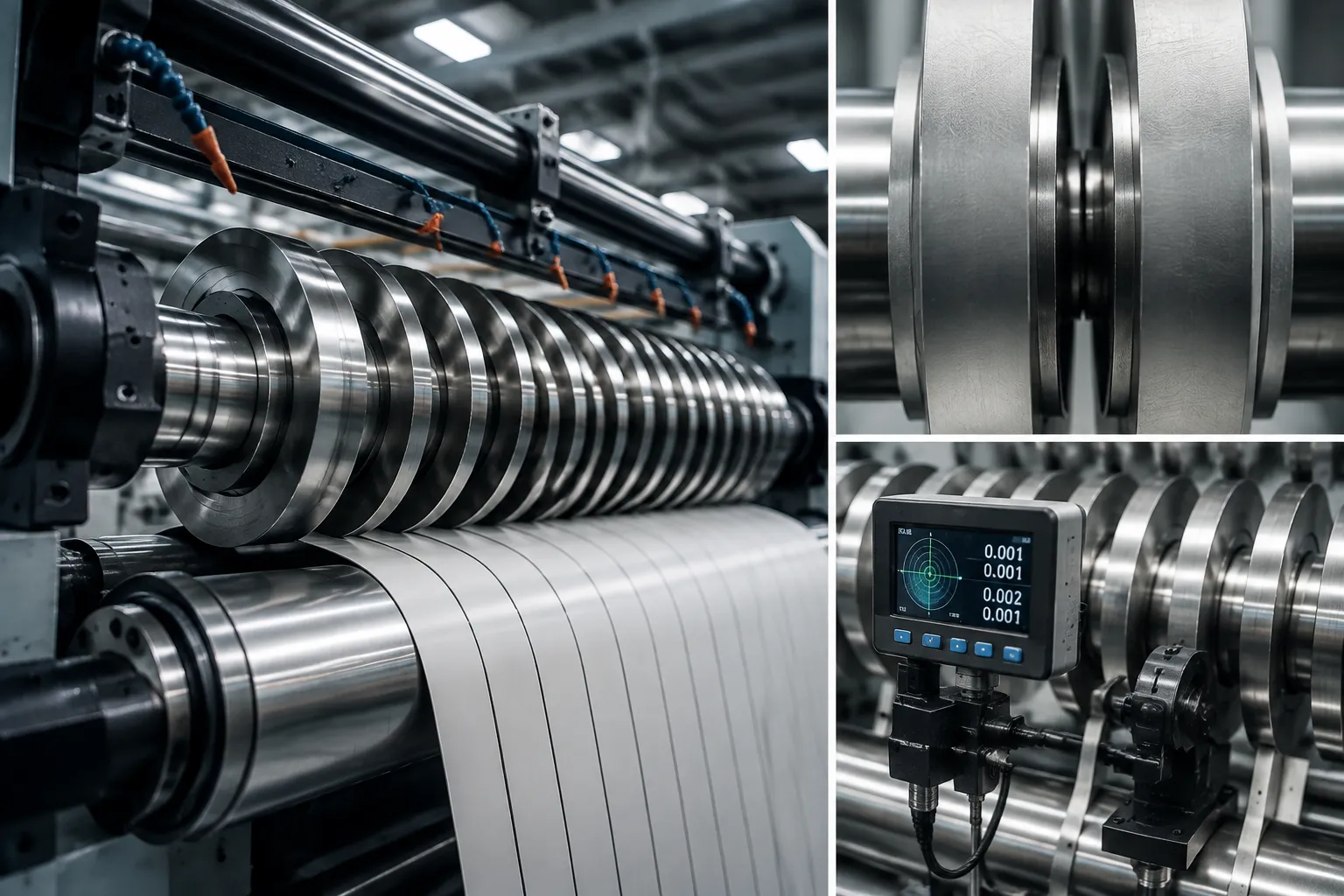
Dynamic Engagement & Zero-Vibration Stability
During high-velocity operation on heavy paper mill converting lines, the engagement between top and bottom circular slitter knives remains impeccably stable. Advanced dynamic balancing eliminates shaft wobble and lateral blade deflection.
- Axial Runout Control: Maintained under 0.002 mm to prevent lateral blade chatter during high-speed production runs.
- Zero Chip Accumulation: Polished side faces reject paper fibers, sizing compounds, and thermal debris.
- Constant Shear Point: Micro-calibrated overlap guarantees clean shear force with zero micro-chipping along the cutting edge.
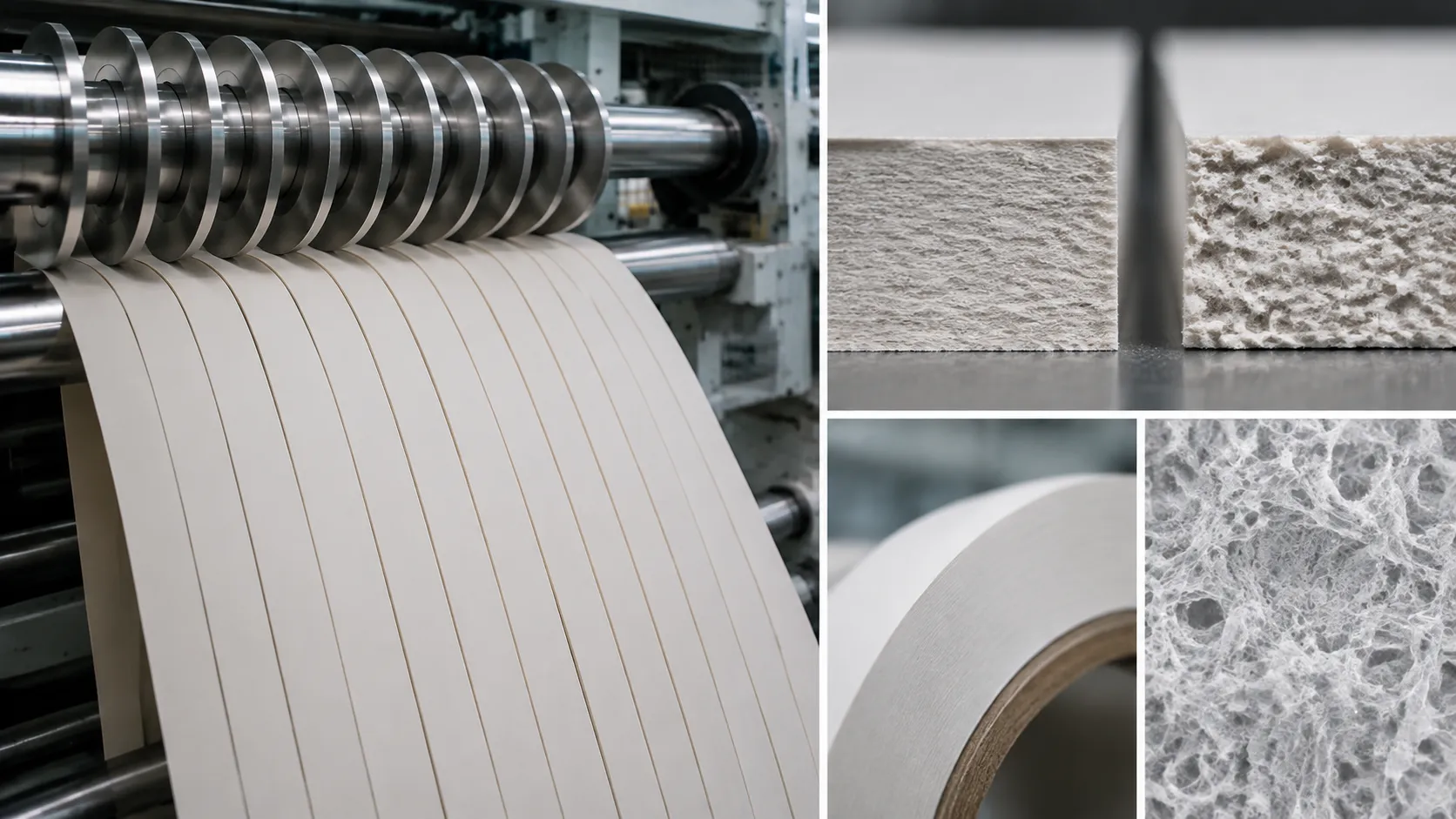
Dust-Free Slitting & Superior Edge Quality
Direct cross-sectional inspection confirms pristine edge profiles on specialty paper and heavy basis weight rolls. Precision ground shear geometries achieve true dust-free slitting without fiber tearing or edge crushing.
- Burr-Free Edge Profiles: Clean severance eliminates edge curling and prevents web-break disruptions during downstream rewinding.
- Significant Dust Reduction: Airborne paper dust and fine particulates are reduced by up to 85% across continuous production runs.
- Smooth Cut Cross-Section: Ultra-fine edge finishing (Ra 0.2) removes microscopic stresses and micro-cracks along web edges.
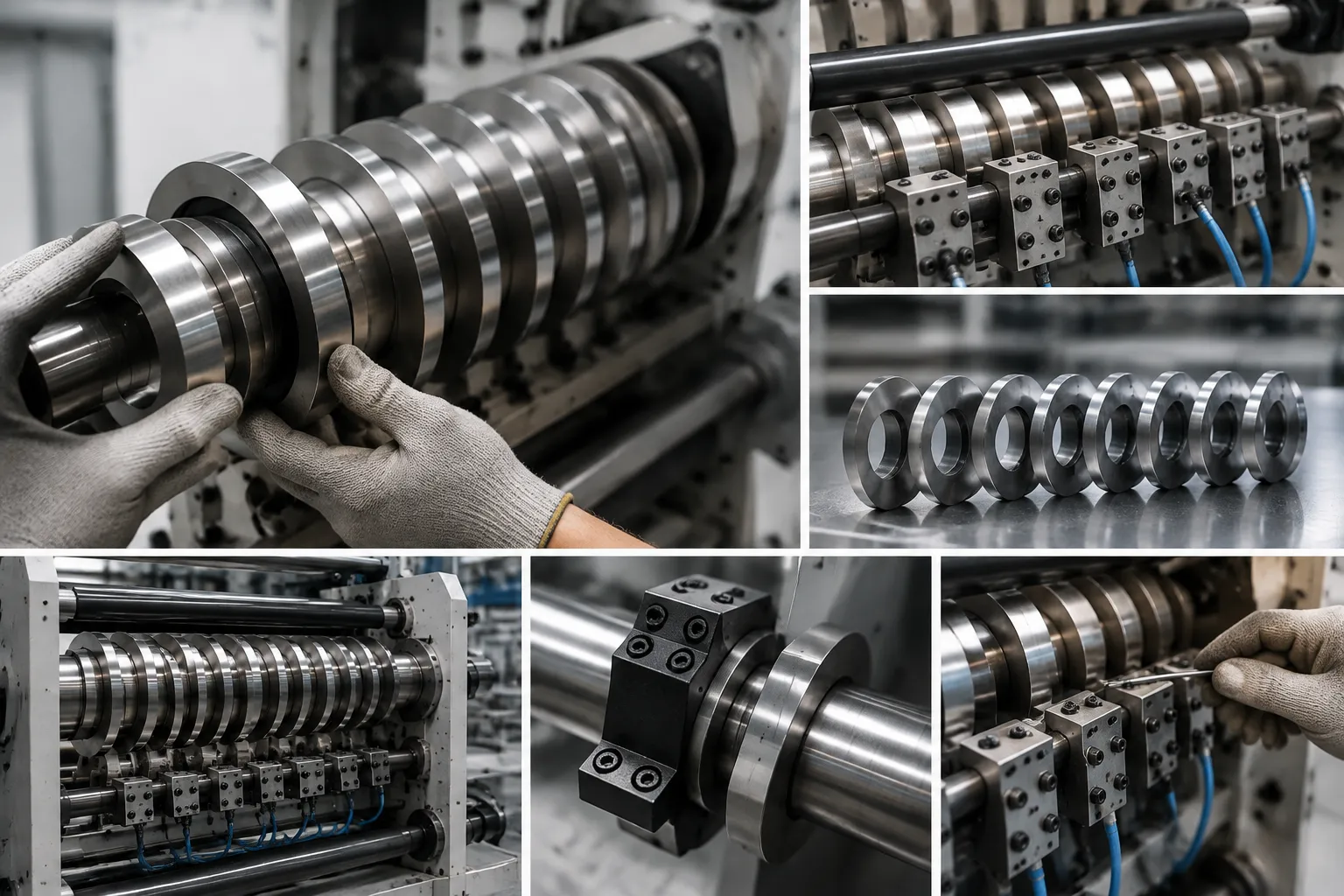
Seamless Retrofit & Universal Compatibility
Sharkcutting upgraded knife assemblies integrate directly into existing pneumatic and mechanical slitter holder systems. Standardized mounting tolerances enable rapid retrofits with zero mechanical overhaul.
- Drop-In Replacement: Exact dimensional matching for OEM slitting shafts, shear arbors, and pneumatic knife holders.
- Rapid Fine-Tuning: Calibrated bevel angles simplify side-pressure alignment and depth setting during setup.
- Universal Shaft Fit: Fully compatible with standard pneumatic slitting heads, top knife axles, and bottom motor shafts.
Technical Specifications & Operating Parameters
Maintaining optimal web tension and maximizing blade life require balanced material hardness and ultra-precise edge finishing. The comparison below highlights the operational and mechanical performance metrics achieved by Sharkcutting slitting knives in high-speed paper converting lines.
| Engineering Parameter | Standard Tool Steel Blade | Sharkcutting Carbide System | Performance Advantage |
|---|---|---|---|
| Blade Material Grade | Standard D2 / SKD11 Tool Steel | Sub-Micron Tungsten Carbide / PM-HSS | Extreme wear & abrasion resistance |
| Edge Surface Finish (Ra) | Ra 0.8 - Ra 1.2 | Ra 0.2 Super-Finish Micro Grind | 85% reduction in slitting dust |
| Continuous Operating Life | 48 Hours before regrind | 168 Hours continuous operation | 250% extended service life |
| Shear Edge Stability | Frequent edge burrs & chipping | Calibrated hardness differential | Zero micro-chipping under load |
| Holder System Fit | Requires frequent manual shimming | Direct drop-in precision geometry | 60% lower maintenance downtime |
Customer Feedback and Field Validation
Real-world production performance is the ultimate metric for high-speed paper converting equipment. When converting facilities upgrade their slitting systems, evaluating an OEM industrial knives partner depends on operational continuity, uniform blade wear, and measurable reductions in maintenance overhead.
As an established premium slitting knives manufacturer and specialized custom knife supplier, Shark Cutting delivers precision cutting tools engineered to withstand the demanding forces of continuous shear slitting knives operations. Below are direct evaluations from plant production leaders and maintenance teams following the deployment of our high-wear circular slitter knives assemblies.
Production Supervisor Field Evaluation
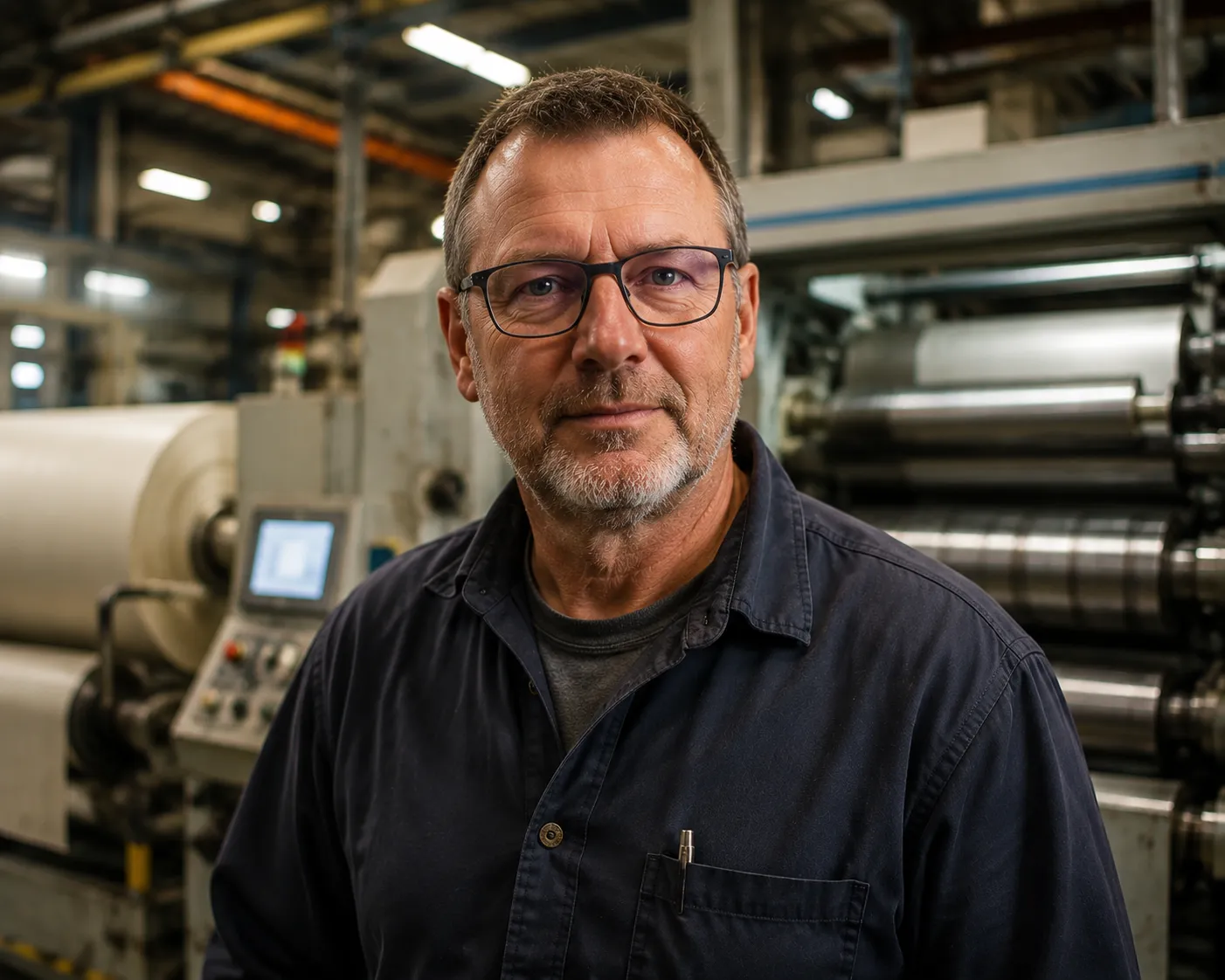
"After changing blades, our equipment ran continuously for a full week without stopping for blade changes, and the slit paper roll edge quality was highly recognized by end customers."
Key Operational Takeaway: Eliminating mid-run blade swaps allowed the 100-ton daily paper converting line to maintain continuous web tension, while dust-free slit edges prevented debris accumulation on downstream rewinder rollers.
- 7 Days Uninterrupted Run Time: Extended slitting blade service intervals from 48 hours to 168 hours under full load.
- Superior Slit Edge Quality: Eliminated micro-tearing on high-basis-weight paper and sensitive specialty grades.

Lead Maintenance Engineer Perspective
"Blade interchangeability is excellent with even wear, and the subsequent regrinding count increased by two times compared to before, significantly lowering single-use costs."
Key Tooling Takeaway: Strict dimensional tolerances and balanced differential hardness between top and bottom shear blades prevented edge chipping during high-speed shear cutting.
- 2x Regrind Life Extension: Advanced alloy heat treatment and precision grinding allow double the resharpening cycles.
- Direct Drop-In Compatibility: Integrates seamlessly with existing slitting arbors and knife holders without machine modification.
Manufacturing Excellence & ISO Certification
Every precision industrial blade manufactured by Shark Cutting undergoes comprehensive dimensional inspection, axial/radial runout checks, and surface roughness testing. Operating under a certified ISO 9001 quality management framework, we guarantee that every batch meets exact geometric tolerances for high-speed paper converting operations.
ISO 9001 Quality System: Rigorous quality management controlling metallurgy, heat treatment, and final grinding.
Global Supply Capabilities: Fast international distribution with technical support tailored for high-volume paper mills.
QUALITY
ASSURED
Global OEM Supply Capabilities
Shark Cutting provides full lifecycle technical support, custom alloy selection, and expert blade maintenance guidelines for converting plants worldwide.
Paper Slitting Knives Frequently Asked Questions
Maintaining high-throughput productivity on modern paper converting lines requires absolute cutting precision and reliable tooling performance. To help plant managers, maintenance engineers, and procurement specialists resolve operational bottlenecks, lower downtime, and extend blade service life, the technical team at Shark Cutting answers the most essential questions regarding industrial paper slitting knives blade maintenance, material selection, and installation compatibility.
How Many Times Can Tungsten Carbide Slitting Knives Be Reground?
Premium sub-micron tungsten carbide slitting knives manufactured by Shark Cutting can typically undergo 5 to 8 regrinding cycles across their total operational lifespan. The exact re-sharpening interval depends on initial blade outer diameter, edge chipping depth, and operating web tension across your paper converting line.
To maximize blade wear life without compromising slitting accuracy, high-precision CNC tool grinding machines must be utilized. Each regrinding session removes minimal stock (typically 0.05 mm to 0.15 mm per side) to restore a razor-sharp shear cutting edge while maintaining a ultra-smooth surface finish of Ra 0.2.
- Micro-Chipping Prevention: Proper top-to-bottom blade clearance prevents deep edge fractures that necessitate heavy stock removal during grinding.
- Coolant Application: Flood liquid cooling during precision CNC grinding prevents thermal micro-cracks in the tungsten carbide binder phase.
- Diameter Compatibility: Ensure your pneumatic or manual slitting holder allows vertical position adjustment to compensate for reduced blade diameter over time.
The Shark Cutting technical team provides customers with complete regrinding scheme recommendations and full lifecycle knife maintenance guidance to ensure maximum ROI for every blade set.
How Do I Determine Whether My Paper Line Needs Circular Shear Knives or Flat Blades?
Selecting between circular slitter knives for rotary shear slitting setups and flat shear or razor slitting configurations depends on paper basis weight, line speed, web tension, and strict edge quality standards required by downstream converting processes.
Best suited for medium-to-heavy paper grades (60–500+ gsm), high-speed winders (>300 m/min), and applications demanding continuous dust-free paper slitting. Utilizes overlapping top male and bottom female circular knives to produce clean scissor-action cuts without edge tearing.
Ideal for low-basis-weight specialty tissues, lightweight films, or low-speed slitting equipment where initial tooling investment is prioritized. However, flat blades generate higher friction, elevated cutting heat, and increased fiber dust on heavier paper stock.
For high-volume continuous paper converting lines, circular shear slitting offers superior edge straightness, drastically lower dust contamination, and extended continuous uptime between blade changeovers.
What Knife Materials Are Recommended for Specialty Paper Containing Abrasive Additives?
Specialty paper grades frequently contain highly abrasive fillers such as titanium dioxide, calcium carbonate, silica, or recycled fiber impurities. Standard tool steel blades wear down rapidly when processing these stock formulations, causing micro-grooving along the cutting bevel and severe edge burrs.
To withstand aggressive abrasive wear, Shark Cutting recommends two advanced metallurgical options specifically engineered for demanding paper converting lines:
- Ultrafine Grain Tungsten Carbide: Offers extreme hardness (HRA 89–92) and outstanding abrasion resistance. Outlasts standard tool steel by up to 10 times when slitting highly filled decorative, thermal, or technical papers.
- Powder Metallurgy High-Speed Steel (PM-HSS): Combines superior impact toughness with high wear resistance, making it an excellent choice for high-speed applications where blade flexing or severe side loads occur.
Additionally, specialized thin-film coatings such as Titanium Aluminum Nitride (TiAlN) or Diamond-Like Carbon (DLC) can be applied to reduce friction coefficient, minimize glue buildup during slitting coated stock, and lower operating heat.
What Is the Delivery Cycle and Lead Time for Custom Paper Slitting Knives?
Manufacturing schedules are structured to balance strict metallurgical and dimensional quality control with urgent mill replacement needs:
All custom slitting blades are precision manufactured to exact OEM mechanical tolerances, ensuring direct drop-in replacement without modifying existing pneumatic holders or drive shafts.
Lifecycle Blade Diagnostics & Consultation Services
Facing severe paper dust, frequent blade chipping, or inconsistent edge quality on your converting line? Shark Cutting offers comprehensive engineering evaluations to optimize material grade selection, bevel angles, and installation setup.
- On-site or remote slitting diagnostics
- Custom hardfacing and carbide grade matching
- Complete regrinding protocol manuals
Proper knife alignment is critical to prevent premature wear. Always verify lateral shear overlap (typically 0.5 mm to 1.0 mm) and maintain minimal axial spring pressure between top and bottom blades to avoid friction overheating.
Learn more about optimal axial spring pressure settings →Optimizing Paper Converting Line Efficiency Through Precision Tooling Selection
A high-performance paper converting line demands seamless coordination between mechanical unwinders, web tension controls, and shear slitter rewinder tooling. Blade edge deterioration directly affects total plant efficiency by causing slitting dust accumulation, web breaks, uneven roll density, and excessive continuous machine downtime.
By upgrading from standard tool steel blades to premium sub-micron tungsten carbide circular slitter knives from Shark Cutting, converting facilities achieve a stable cutting geometry that drastically extends the re-sharpening interval. Extended blade wear life reduces scheduled maintenance shutdowns, protects downstream packaging equipment from paper dust clogging, and lowers the total operational cost per ton of converted paper products.
Tungsten carbide material resists abrasive wear, keeping blades razor-sharp far longer than conventional tool steel.
Precision Ra 0.2 ground bevels shear fibers cleanly without crushing or tearing the paper web.
Custom manufactured dimensions ensure seamless compatibility with standard pneumatic and manual slitting holders.
Ready to Extend Blade Life and Boost Paper Converting Uptime?
Share your paper basis weight, line speed, and equipment specs. Whether your operation relies on shear slitting knives or circular slitter knives, our engineering team at Shark Cutting will deliver an optimized engineering proposal for custom paper converting knives within 24 hours to maximize your slitting performance.
Need Immediate Technical Support?
Request Slitting Quote
Get an expert line assessment for custom paper converting knives.
🔒 Fast 24-hour technical response. Zero obligation.