
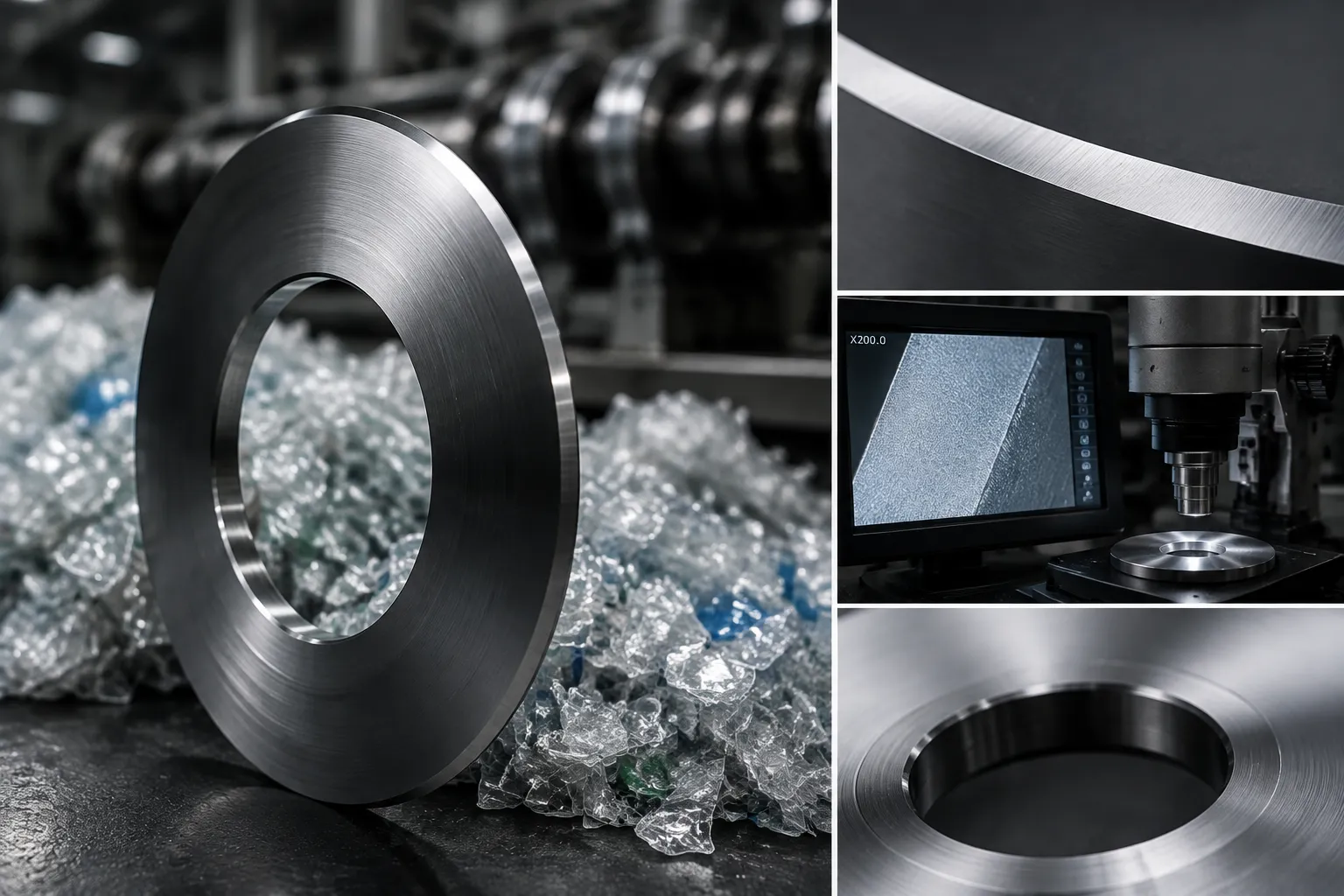
Plastic Recycling Line Operating Challenges and Blade Selection Strategy
High-capacity post-consumer recycling facilities operate under harsh mechanical conditions. Heavily contaminated scrap, abrasive sand, and shifting material densities quickly destroy standard cutting tools. Running an efficient, profitable plastic recycling line requires targeted blade material selection engineered to address severe stress across primary shredder, secondary crusher, and high-speed granulator stages.
Rapid Edge Dulling and Chipping in Dirty Scrap Streams
When processing post-consumer PET bottles, rigid containers, or agricultural film, standard tool steel blades encounter aggressive surface wear from silica, grit, and stray metal particles. Generic industrial knives lack microstructural uniformity, leading to rapid blade blunting and catastrophic micro-chipping under impact.
- × Unplanned Downtime: Frequent emergency line stops to rotate, resharpen, or replace dull blades.
- × Knife Fractures: Excessive shock loads break blade corners, making re-grinding impossible and destroying scrapers.
- × Excess Maintenance Labor: Operations teams waste valuable hours constantly resetting knife gaps and swapping worn cutter sets.
Shear Gap Expansion, Polymer Wrapping, and Quality Loss
As standard blades wear unevenly, shear gaps widen past design specifications. Plastic films and rigid polymers tear or fold under heavy compression rather than cutting cleanly. This mechanical failure generates excessive dust fines, creates long stringy strands, and causes frictional heat that degrades regrind quality.
- × High Dust Fines: Up to 15% of throughput turns into unusable plastic dust, blinding screen filters and reducing yield. Upgrading to high-durability industrial machine knives helps maintain tight tolerances to prevent particulate buildup.
- × Rotor Shaft Wrapping: Uncut plastic strands wrap around rotor shafts, creating friction, heat buildup, and line jams.
- × Inconsistent Regrind: Irregular flake dimensions cause inconsistent bulk density during downstream extrusion and washing.
Tailored Metallurgy for Shredders, Crushers, and Granulators
No single tool steel alloy delivers peak performance across every size reduction stage. At Sharkcutting, we evaluate contamination levels, polymer density, and mechanical impact to match metallurgy directly to machine demands.
Shredder Blade Wear Resistance
Primary shredders demand high shock absorption to handle thick purgings, heavy bales, and foreign debris without cracking.
PET Bottle Recycling Knives
Crushers processing PET bottles and dirty post-consumer plastics require high surface hardness to resist continuous abrasive wear.
Blade Material Selection
Granulators rely on ultra-tight shear clearances to produce uniform flakes without producing excessive dust fines or thermal scorching.
Cutting Angle Optimization: Reducing Torque and Power Draw
Blade geometry directly dictates the electrical power required to cut every ton of plastic scrap. Generic OEM blades often feature blunt rake angles that crush polymer stock against bed knives before shearing, spiking motor load and creating excess heat.
By re-engineering rake and clearance angles specifically for PET, HDPE, and rigid thermoplastics, Sharkcutting custom knives deliver a progressive scissor-cut action. This optimized geometry lowers peak motor torque demands by up to 22%, minimizes power spikes, and reduces kilowatt-hours consumed per ton.
Comparative Engineering Breakdown
Performance analysis comparing standard commercial blades to Sharkcutting custom engineered industrial knives.
| Performance Indicator | Standard Commercial Blades | Sharkcutting Custom Engineered | Line Operational Advantage |
|---|---|---|---|
| Blade Wear Lifespan | 120 – 180 Operating Hours | 400 – 550 Operating Hours | 3x Lifespan Extension |
| Sharpening Frequency | 2 – 3 Times per Month | Once every 6 – 8 Weeks | 60% Lower Maintenance Labor |
| Plastic Dust / Fines Rate | 12% – 16% Total Volume | Under 4% Total Volume | +10% Usable Yield Improvement |
| Shear Power Draw | Baseline High Load | 15% – 22% Lower kWh/Ton | Reduced Electrical Operating Costs |
| Heat Treatment Process | Standard Air Quenching | Dual Vacuum + Cryogenic Deep Freeze | Eliminates Internal Stress Fractures |
Our engineering team analyzes scrap samples, worn blades, and line throughput requirements to deliver optimized alloy selections and technical CAD drawing reviews within 24 hours.
Custom Technical Solutions and Metallurgy Specs for Plastic Recycling Lines
Processing contaminated post-consumer polymers requires industrial cutting tools engineered specifically for continuous shock, severe abrasive wear, and thermal stress. Shark Cutting manufactures custom recycling blades engineered to exact OEM equipment specifications and specialized metallurgical formulations, maximizing operational uptime, cutting sharpness, and material throughput across every stage of your size reduction process.
Shredder Blades: High Shock Resistance
Engineered for primary plastic size reduction stages where mixed plastic streams contain unpredictable contaminants such as tramp metals, stone, or heavy rigid chunks. Our high-performance shredder blades offer high impact toughness that absorbs heavy operational torque spikes without catastrophic edge failure.
- Material Match: Modified nickel-chrome shock-resistant tool steel formulation
- Toughness Level: Ductile matrix engineered to withstand extreme impacts and torque loads
- Key Value: Eliminates catastrophic blade fracture during heavy contaminant strikes
Crusher Blades: High-Chrome Wear Life
Manufactured from premium high-chrome steel granulator knives metallurgy to deliver sharp, durable cutting edges capable of resisting micro-chipping during high-frequency shearing of medium-density plastics, PET bottles, and rigid containers.
- Material Match: Cold-work high-chrome steel granulator knives (D2 / SKD-11 grade)
- Edge Retention: Superior resistance to abrasive sand, silica, and friction wear
- Key Value: Prevents premature edge dulling and minimizes maintenance downtime
Granulator Blades: Micron Shear Precision
Manufactured with ultra-precise dimensional tolerance control and precision blade sharpening to maintain tight shear clearances. Sharp cutting geometry drastically reduces regrind dust generation and prevents polymer melting.
- Material Match: Tungsten carbide-tipped inserts or premium high-speed tool steel
- Tolerance Control: Precision blade sharpening providing micron-level accuracy
- Key Value: Cuts regrind dust fines by up to 35% while yielding uniform granules
Dual-Stage Vacuum Heat Treatment and Deep Cryogenic Processing
Extended wear life in custom recycling blades depends as much on internal grain microstructure as on external grinding tolerances. Standard commercial blades frequently retain micro-stresses and unstable retained austenite, leading to rapid edge dulling, thermal cracking, or catastrophic chipping under continuous operating loads.
Shark Cutting utilizes computer-controlled dual-stage vacuum heat treatment combined with deep sub-zero cryogenic processing (-300°F). This specialized thermal cycle transforms residual austenite into refined martensite, homogenizing chromium carbide distribution across custom recycling blades to produce an ideal balance of Rockwell hardness (HRC) and impact toughness.
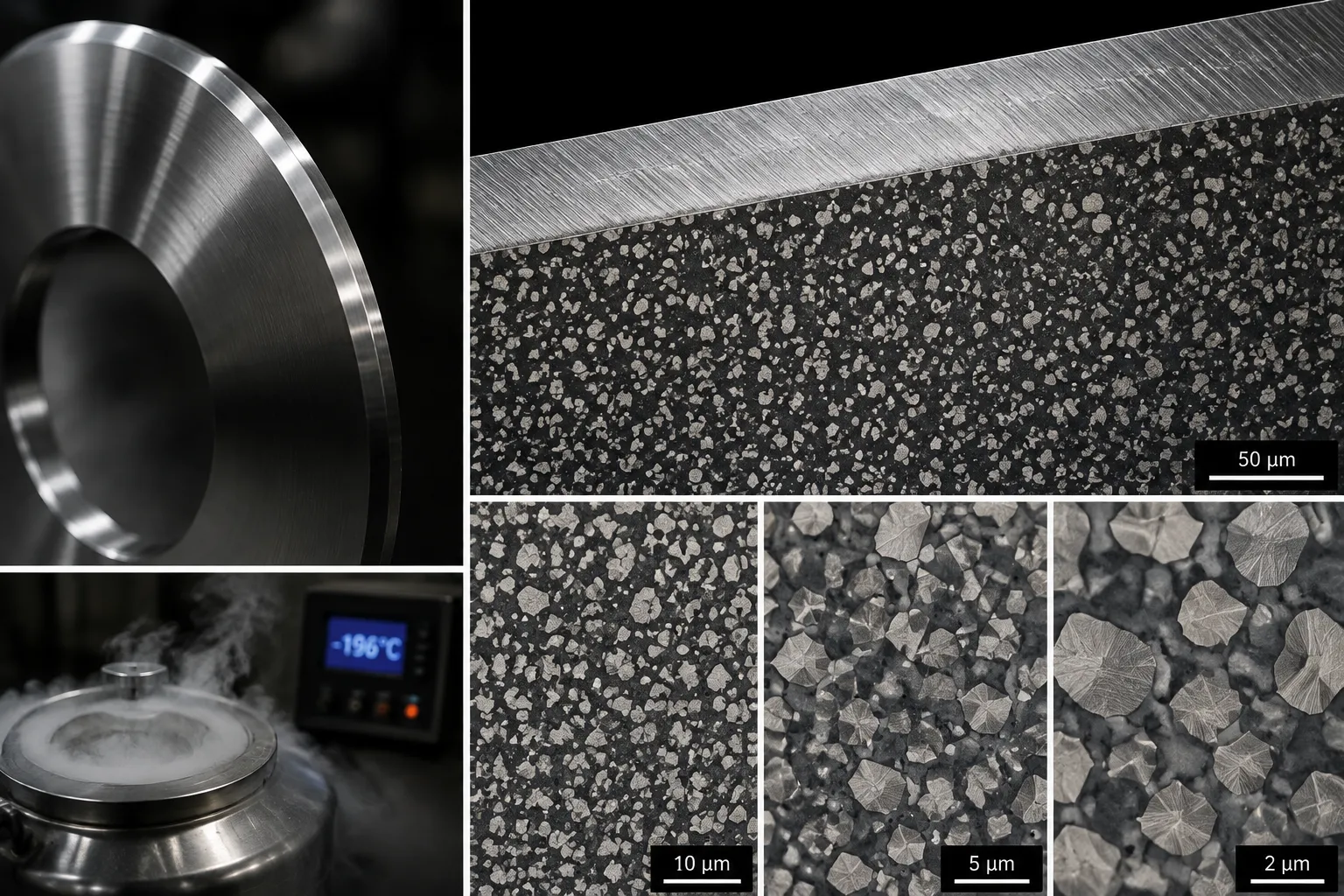
Metallurgical Micrograph: Precision blade sharpening combined with deep cryogenic processing creates dense carbide dispersion in custom recycling blades.
Material Grade and Technical Specification Matrix
Compare our custom recycling blades and high-chrome steel granulator knives formulations to select the optimum balance of hardness, toughness, and shear gap control for your specific plastic recycling machinery.
| Application Stage | Primary Steel Metallurgy | Hardness Range | Contaminant Tolerance | Recommended Shear Clearance |
|---|---|---|---|---|
| Shredder Knives | Special Nickel-Chrome Shock Steel | 54–58 HRC | Tramp Metal, Gravel, Rigid Inclusions | 0.15mm – 0.25mm |
| Crusher Knives | High-Chrome Steel (D2 / SKD-11 Equivalent) | 58–60 HRC | Abrasive Dirt, Sand, PET Flake Friction | 0.05mm – 0.10mm |
| Granulator Knives | Tungsten Carbide Inlaid / Premium HSS | 62–65 HRC | Clean Polymer Streams, Film & Sheet | < 0.02mm Micron Precision |
Field Performance Data & ROI Breakdown
Production line validation confirms Shark Cutting industrial machine knives for recycling deliver measurable blade wear life extension, maintenance downtime reduction, and sustained throughput gains.
Continuous operating service life increased up to threefold over standard OEM tooling when processing abrasive and contaminated plastics.
Monthly blade swap frequency dropped by over half, cutting labor overhead and eliminating recurring unscheduled line stoppages.
Tight cutting clearance retention produced uniform regrind geometry, cutting fine dust generation across granulator discharge screens.
Complete Capital Payback Within 2 Months of Continuous Run
While high-chrome vacuum-hardened knives require a slightly higher initial tooling investment than commodity alternatives, total operational cost savings deliver complete capital amortization within 60 days.
Substantial labor savings resulting from fewer scheduled blade rotations and re-sharpening turnarounds.
Measurable recycling throughput improvement driven by consistent clean-shear cutting action.
Elimination of unplanned rotor jamming and blade chipping under heavy polymer impact loads.
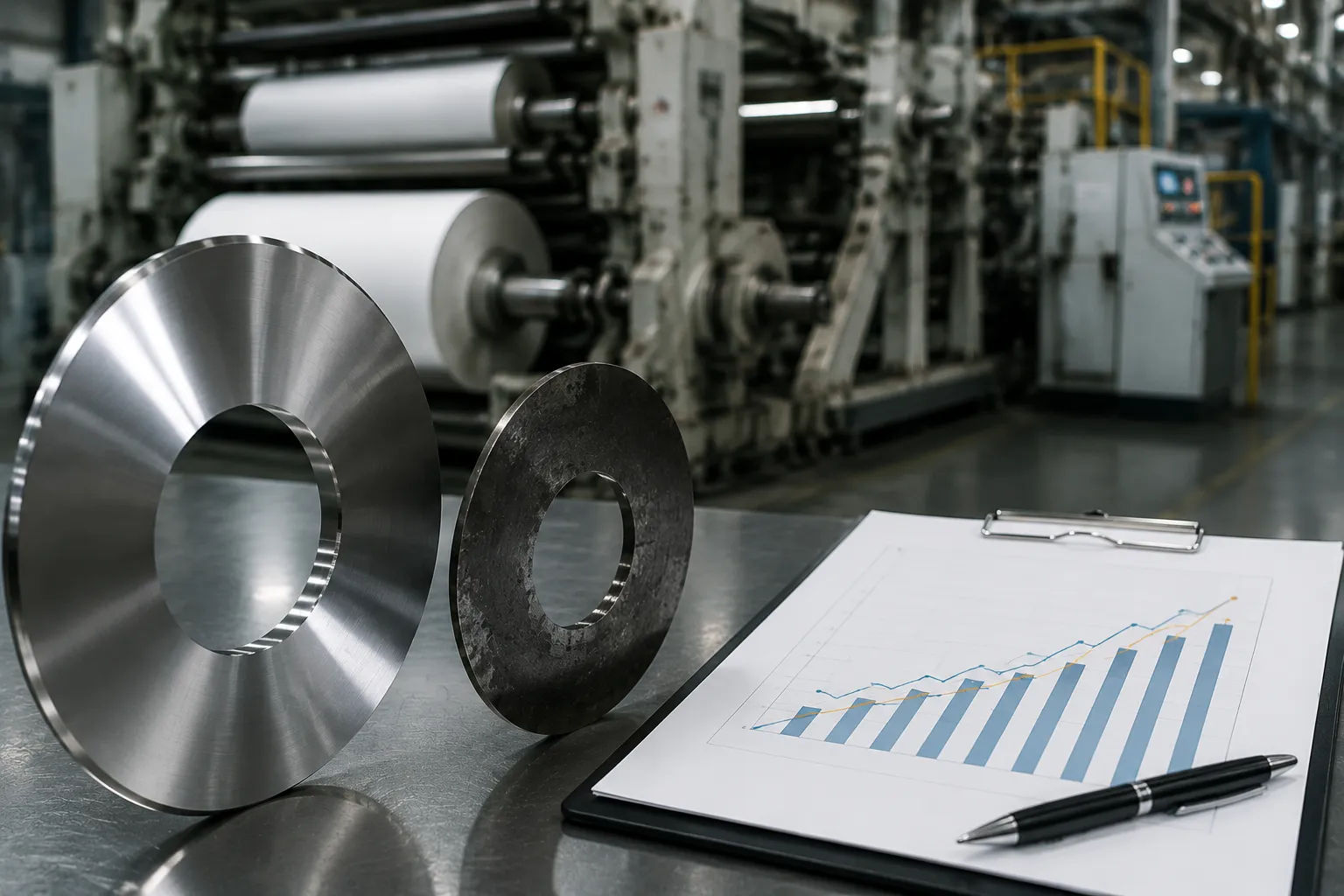
Blade Wear Life Extension
Cryogenically treated high-chrome alloys preserve micro-edge sharpness through demanding post-consumer plastic grinding cycles.
Maintenance Downtime Reduction
Extended knife durability increases facility run-time and frees technical personnel from constant rotor re-gapping.
Recycling Throughput Improvement
Optimized scissor geometry eliminates polymer tearing, maintaining steady feeding velocity and higher hourly yields.
Partner with a Custom Granulator Knife Manufacturer
Optimize your plastic shredder blade replacement schedule with precision-engineered cutting tools custom built for severe wear recycling lines.
24-Hour Response Guarantee
Guaranteed review and technical analysis within 24 hours directly by senior mechanical application engineers.
OEM & Custom Drawing Evaluation
Direct OEM replacements for major machinery brands plus comprehensive engineering reviews of custom CAD files.
Global Sample Shipping
Worldwide dispatch of sample recycling blades for physical fitment validation and on-site operational trials.
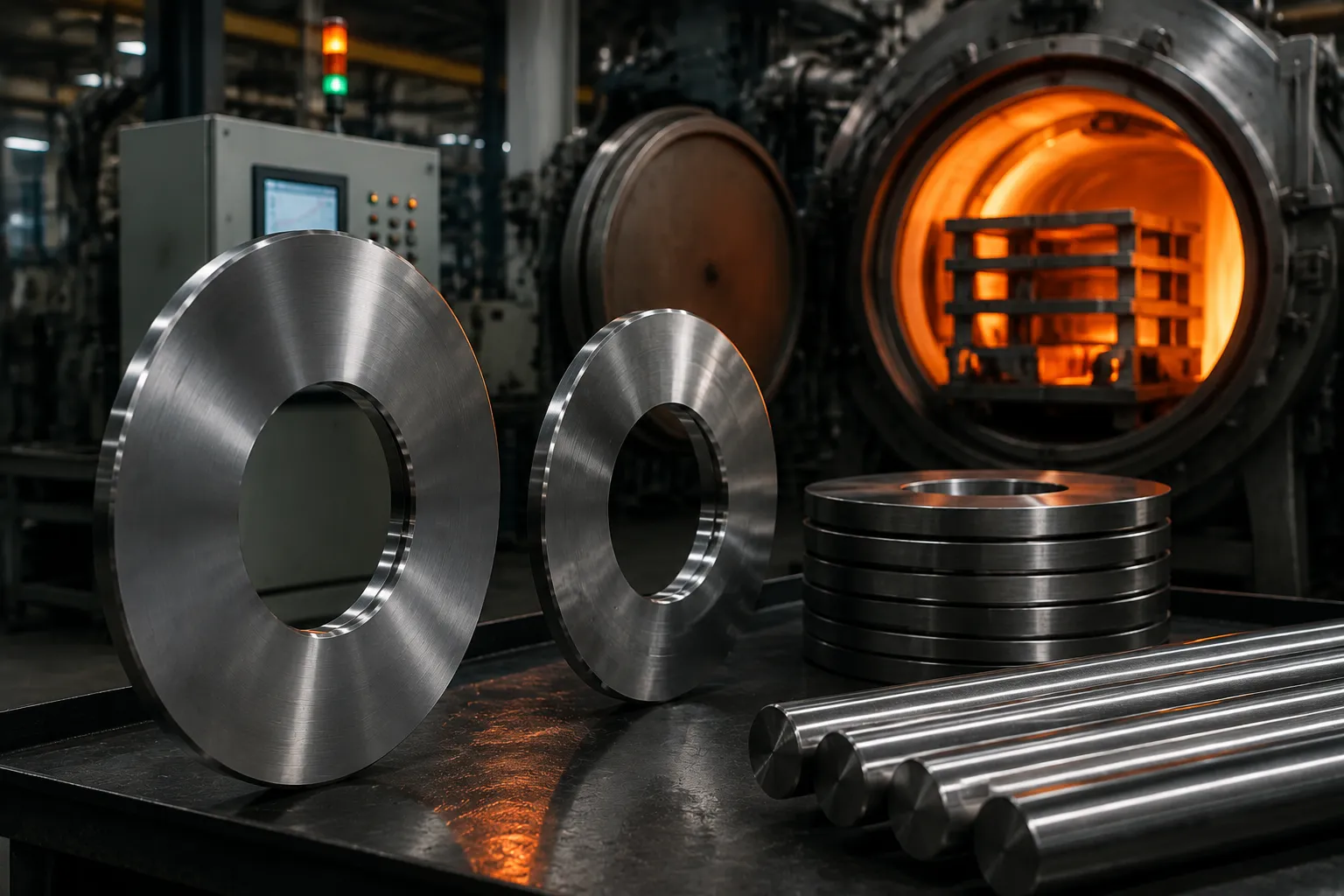
Precision Metallurgical Standards
High-alloy tool steel knives vacuum heat-treated to resist chipping and heavy impact.
Get Your Custom Recycling Knife Quote
Fill out the form below to receive an expert engineering evaluation and direct quote tailored to your recycling line.