
Industrial Knife Precision Machining & CNC Edge Grinding
Specialized micro-tolerance machining, ultra-flat surface grinding, and custom edge finishing for premium tool steel and tungsten carbide industrial machine knives.
Sharkcutting combines advanced CNC precision grinding technologies with specialized tooling engineering to deliver high-accuracy, reliable cutting components for global OEM and industrial applications.
Machining Tolerance & Dimensional Accuracy Metrics
At Sharkcutting, we enforce standardized machining tolerance limits and empirical testing to guarantee every custom knife adheres strictly to demanding dimensional accuracy specifications.
Dimensional Accuracy
Extreme thickness and profile machining tolerance control for precision slitting and cutting tools.
Blade Surface Roughness
Mirror-polished blade surface roughness minimizing cutting friction, material drag, and wear.
Straightness Accuracy
Ultra-long shear slitting knives straightness accuracy maintained across extended industrial cutting edges.
CNC Process Control
Multi-axis CNC machining and precision grinding coverage integrated across all manufacturing lines.
Metrology-Backed Verification & Edge Quality Control
Every precision knife manufactured by Sharkcutting undergoes multi-axis coordinate measuring and laser surface profile inspection. By strictly monitoring machining tolerances throughout grinding and finishing, we ensure maximum blade life, clean edge cuts, and consistent operational uptime.
3D Coordinate Inspection
Automated CMM probes verify critical dimensional accuracy and geometric tolerances.
Optical Surface Profiling
Sub-micron laser scanning measures blade surface roughness and micro-bevel symmetry.
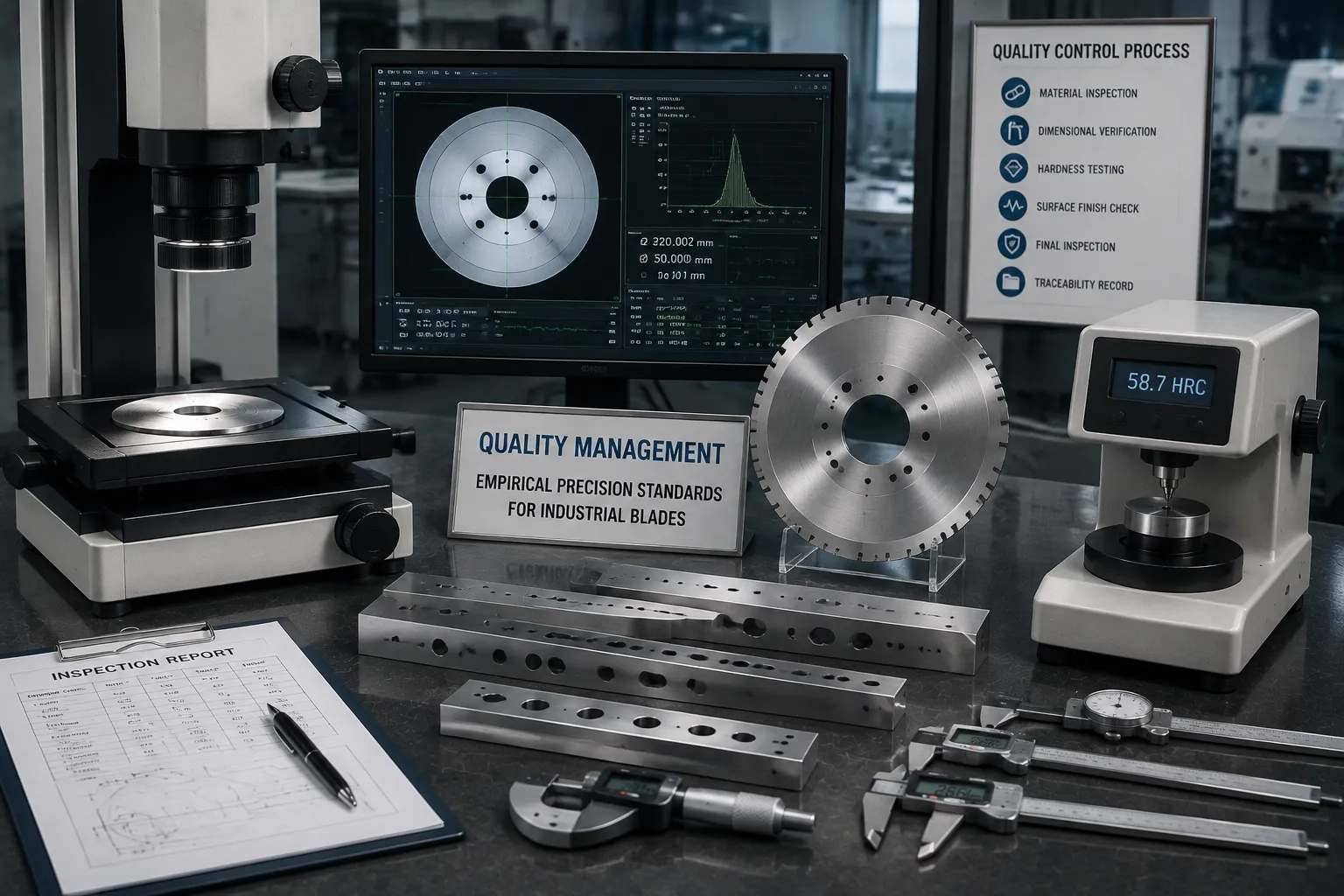
Quality Management
Empirical Precision Standards for Industrial Blades
Core Machining Technologies and Process Capabilities
Sharkcutting integrates advanced CNC machining technology, high-precision knife grinding, and proprietary edge finishing techniques to manufacture industrial blades that excel under demanding production conditions.
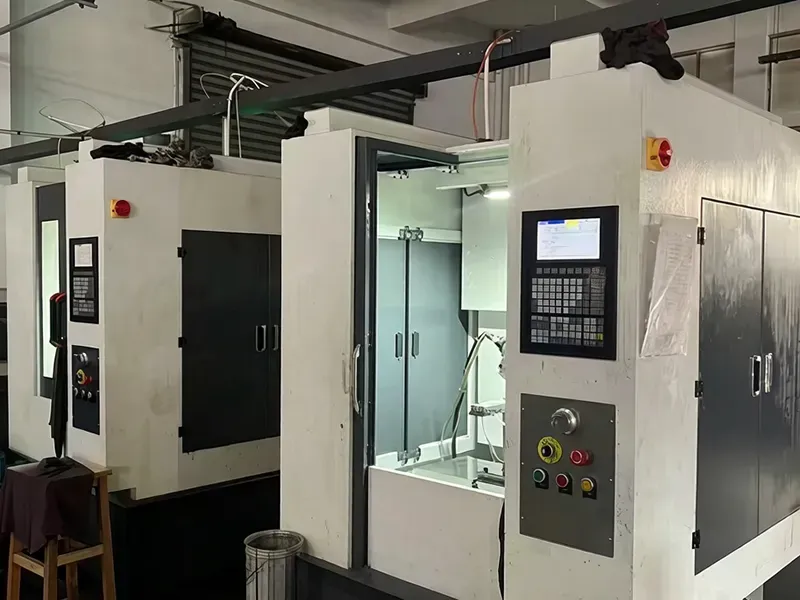
Multi-Axis CNC Milling and Turning
Our multi-axis CNC machining centers process intricate blade bodies in a single setup — eliminating cumulative fixture errors while maintaining strict feature-to-feature positional accuracy.
- Precision mounting slots and keyways machined to sub-micron positional tolerances for accurate alignment
- Weight-reduction pockets engineered for optimal dynamic balance in high-speed rotary cutting
- High-alloy steels and tungsten carbide processed without mechanical stress or thermal distortion
- 5-axis simultaneous interpolation generating complex compound-angle profiles and custom blade contours
Single-setup manufacturing reduces cumulative datum drift and streamlines production for complex custom knife geometries. Every tool path is fully simulated against CAD models prior to machining.
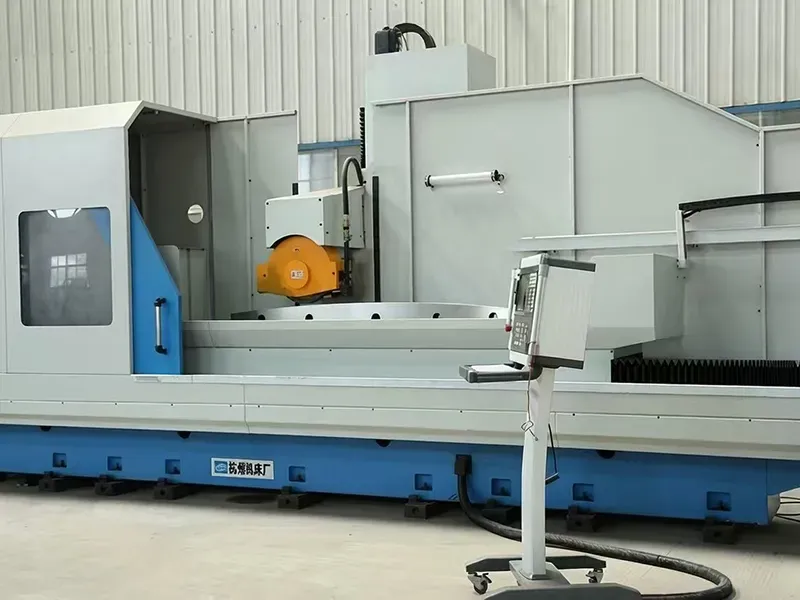
High-Precision Flat and Cylindrical Grinding
Utilizing advanced surface and OD/ID grinding equipment, our precision knife grinding operations deliver micron-flat reference surfaces, parallelism, and concentricity across straight and circular formats.
- ±0.002 mm thickness tolerance maintained consistently across the entire blade working face
- Runout below 0.003 mm TIR on circular slitter knives and arbor-mounted rotary cutters
- Straightness to 0.005 mm/m across long metal shear blades and paper guillotine knives
- Surface roughness Ra ≤ 0.4 μm baseline on all ground faces prior to final micro-finishing
Dedicated CNC grinding centers run active closed-loop feedback cycles, automatically compensating for wheel wear and thermal expansion to ensure batch-to-batch dimensional accuracy.
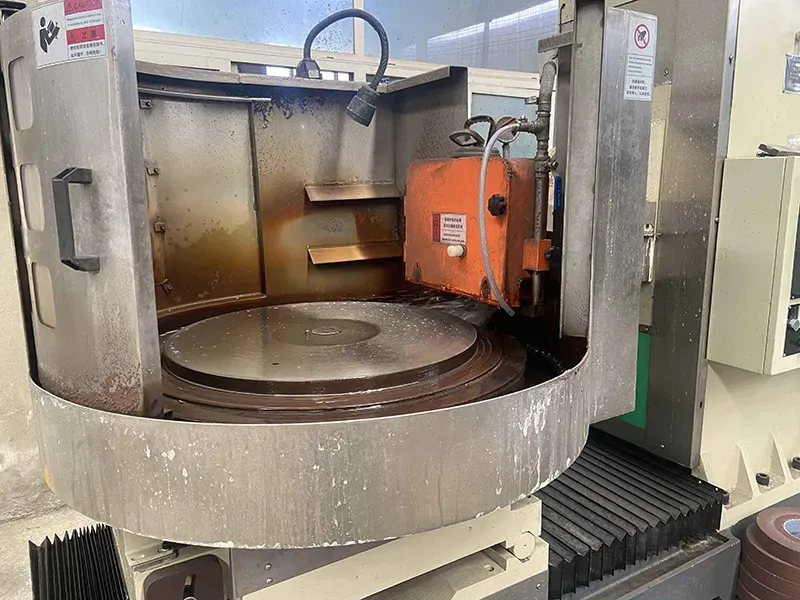
Micro-Edge Finishing and Superpolishing
Specialized edge finishing techniques eliminate grinding thermal stress, micro-burrs, and subsurface flaws — yielding mirror-polished cutting edges that extend wear life and improve edge clean performance.
- Ra 0.1 μm mirror-finish edges achieved through controlled multi-stage lapping sequences
- Thermal stress layer removal preventing micro-crack initiation during high-speed cyclic shearing
- Micro-bevel angle control to ±0.5° ensuring equal cutting force distribution along the edge
- Substrate compatibility optimized for D2, HSS, tungsten carbide, and specialty tool steels
Proprietary edge finishing techniques developed by Sharkcutting remove the brittle heat-affected layer left by conventional grinding, restoring native steel hardness at the cutting edge to resist premature chipping.
Why Integrated CNC Machining Technology Defines Blade Quality
Industrial blade performance is established long before a cutter enters service. Subtle dimensional variations introduced during initial machining manifest as radial runout, edge chipping, or rapid abrasive wear under continuous operational loads. That is why Sharkcutting merges multi-axis CNC milling, precision knife grinding, and micro-edge finishing into a unified, strictly monitored manufacturing workflow rather than treating them as disconnected secondary operations.
This synchronized process ensures every industrial knife maintains strict geometric tolerances and edge integrity throughout its operational lifespan — whether performing high-speed thin-film slitting at 800 m/min or heavy-duty scrap shearing in steel processing plants.
Multi-Axis CNC Milling: Eliminating Cumulative Fixture Error
Traditional blade manufacturing workflows that rely on multiple manual setups introduce compounding positional errors. Multi-axis CNC machining technology eliminates these variations by machining complex features in a single clamping. Mounting bores, keyways, clearance reliefs, and weight-reduction cavities are referenced from a single datum, ensuring every dimension directly mirrors engineering CAD models.
For high-alloy tool steels and tungsten carbide materials, single-setup machining also minimizes repeated thermal cycling and mechanical stress, preserving the structural integrity of the blade body prior to heat treatment and final grinding.
Precision Knife Grinding: The Foundation of Dimensional Accuracy
Surface and cylindrical grinding establish essential dimensional benchmarks for industrial blades. Holding a ±0.002 mm thickness tolerance across a 600 mm blade face or maintaining 0.003 mm TIR on a rotary slitter requires real-time process control that actively compensates for thermal drift, grinding wheel breakdown, and workpiece deflection.
Sharkcutting's CNC grinding equipment utilizes active in-process measurement sensors to dynamically adjust wheel position and feed rates. This automated control suppresses operator-dependent variability, upholding tight tolerances across full production runs.
- Flat surface grinding for metal shear slitting knives, paper guillotine knives, and precision slitter spacers
- Cylindrical OD and ID grinding for circular slitting knives, rotary dies, and arbor-mounted assemblies
- Profile grinding for complex bevel angles, hollow grinds, and compound edge geometries
- Ultra-long gantry grinding engineered for continuous shear blades up to 4,000 mm in length
Edge Finishing Techniques: The Ultimate Performance Multiplier
Conventional abrasive grinding leaves a micro-thin, thermally altered surface layer — typically 5 to 20 μm deep — where grinding friction alters the steel's micro-hardness. This brittle layer harbors micro-fissures that trigger early edge failure under cyclic dynamic loads. Standard visual inspections miss this layer, but advanced edge finishing techniques effectively eliminate it.
Sharkcutting employs multi-stage superpolishing and controlled-pressure honing to strip away this damaged surface zone. This restores substrate hardness directly at the cutting edge and achieves ultra-smooth surface finishes down to Ra 0.1 μm. In paper converting, film slitting, and metal processing applications, blades prepared with these methods demonstrate significantly extended operational wear life. Discover our complete lineup of industrial slitting knives engineered for ultra-clean cutting performance.
Additionally, micro-edge finishing enables precise control over edge radii and micro-bevels. Maintaining a consistent ±0.5° bevel angle along the entire length distributes cutting force evenly, preventing stress spikes that lead to localized micro-chipping.
Process Integration: Quality Control from Raw Stock to Finished Edge
Achieving consistent cutting performance requires linking every production phase seamlessly. Sharkcutting structures its manufacturing workflow around complete dimensional traceability, verifying geometric specs with in-process measurement protocols at every stage transition.
| Process Stage | Primary Operation | Key Tolerance Achieved | Measurement Method |
|---|---|---|---|
| Stage 1 | Multi-axis CNC milling and turning | ±0.01 mm positional, ±0.005 mm diameter | On-machine touch probe system |
| Stage 2 | Precision flat and cylindrical grinding | ±0.002 mm thickness, 0.003 mm TIR | In-process air & optical gauging |
| Stage 3 | Micro-edge finishing and superpolishing | Ra 0.1 μm roughness, bevel angle ±0.5° | Non-contact optical profilometer |
| CMM dimensional & profile verification | 100% compliance with technical drawing | Multi-sensor CMM inspection report |
Powered by proprietary edge-finishing techniques and multi-axis CNC centers, Sharkcutting delivers specialized custom machining solutions for highly complex knife geometries — from intricate micro-serrated packaging blades to 4-meter industrial shear knives requiring flawless straightness across long spans.
Multi-Axis CNC Milling — Process Parameters
| Parameter | Capability |
|---|---|
| Max simultaneous axes | 5-axis simultaneous |
| Positional tolerance | ±0.005 mm |
| Max blade body length | 2,500 mm |
| Materials processed | D2, H13, HSS, tungsten carbide, CPM |
| Surface finish (milled) | Ra ≤ 1.6 μm |
Precision Grinding — Process Parameters
| Parameter | Capability |
|---|---|
| Thickness tolerance | ±0.002 mm |
| Runout (TIR) | ≤ 0.003 mm |
| Straightness | 0.005 mm/m |
| Max blade length (surface) | 4,000 mm |
| Pre-finish Ra | ≤ 0.4 μm |
Micro-Edge Finishing — Process Parameters
| Parameter | Capability |
|---|---|
| edge Ra | Ra 0.1 μm |
| Bevel angle tolerance | ±0.5° |
| Affected layer removal | 5–20 μm |
| Compatible substrates | D2, HSS, tungsten carbide, H13, CPM |
| Process stages | Multi-stage lapping + precision honing |
Manufacturing Infrastructure
High-Precision Machinery & Hardware Matrix
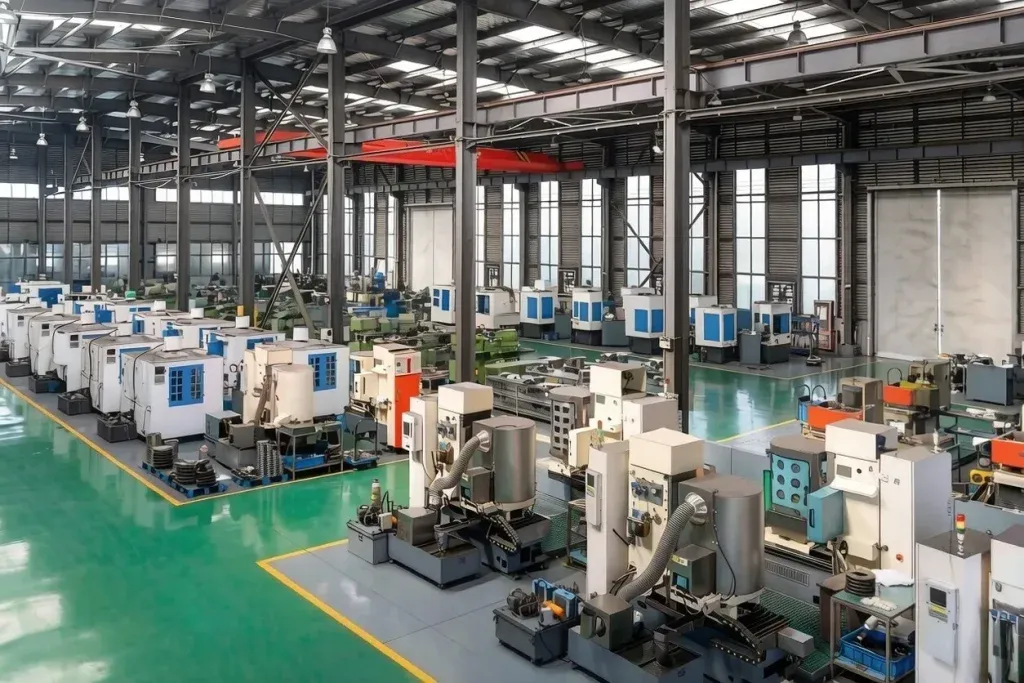
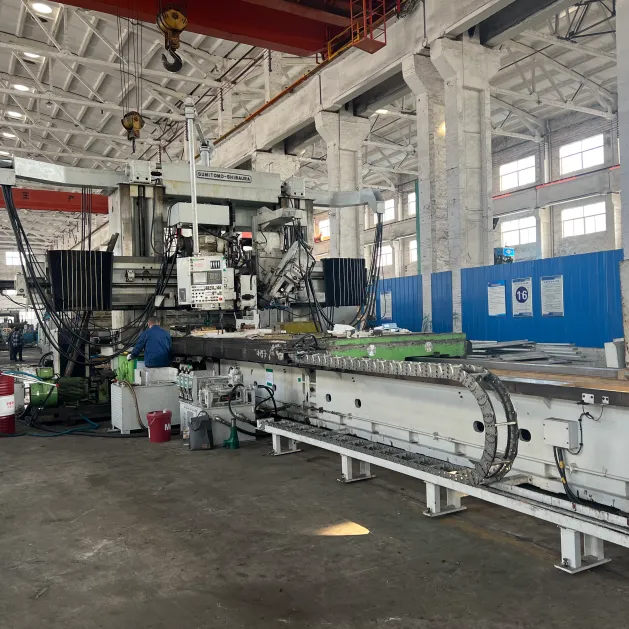
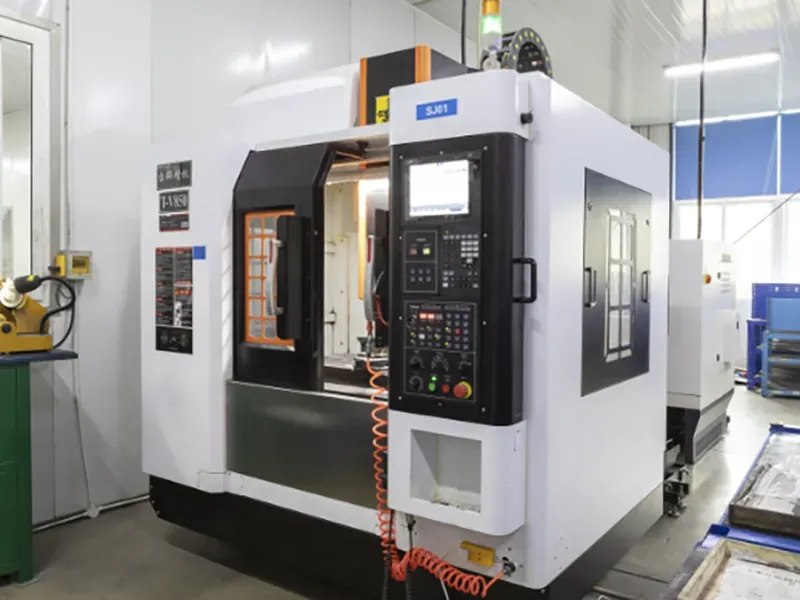
Sharkcutting continuously invests in top-tier international CNC grinding machinery and high precision equipment to maintain exceptional dimensional consistency across large-volume production runs.
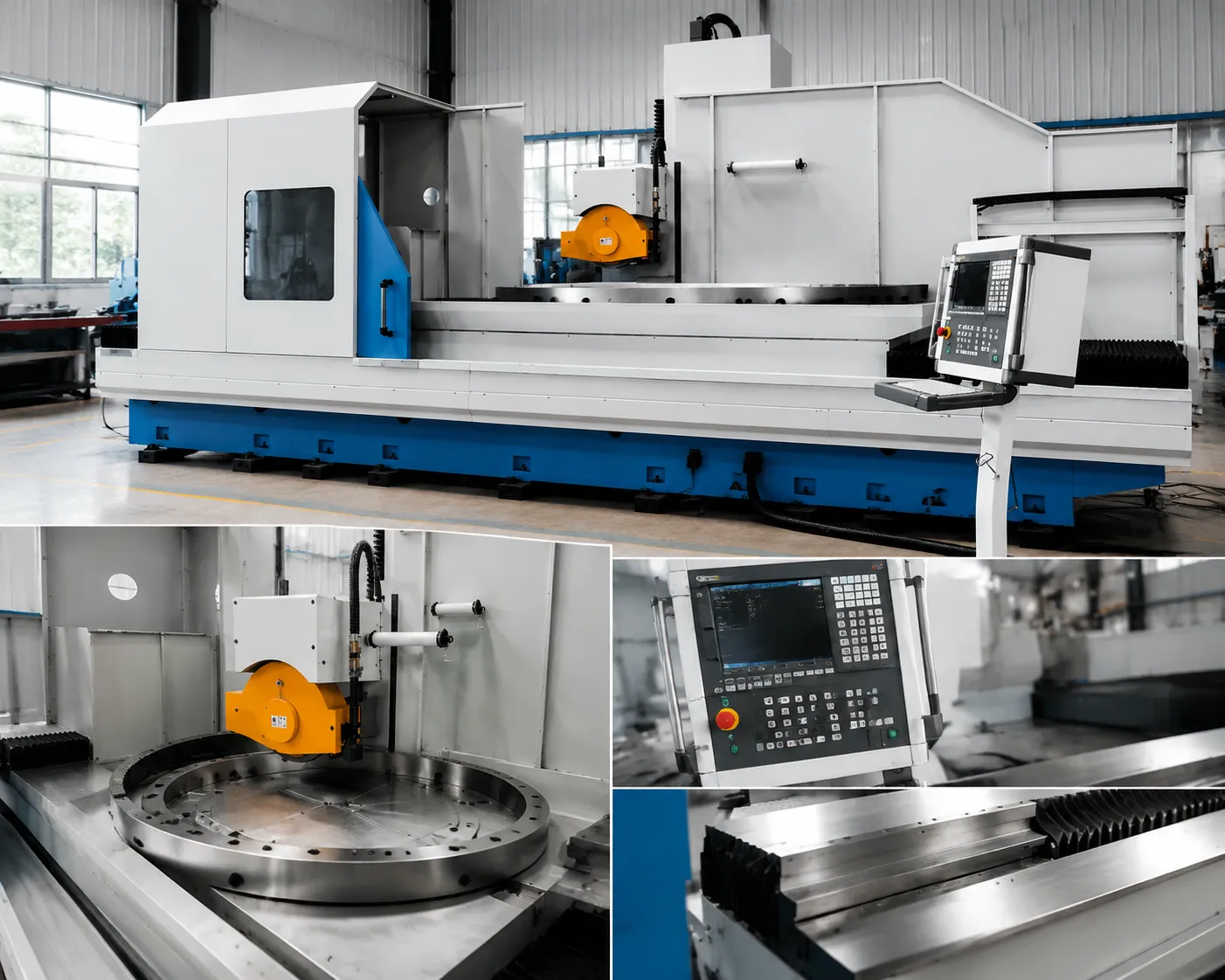
High-Precision CNC Grinding Machines
Purpose-built precision grinding equipment engineered for circular slitter knives, dish blades, and rotary slitting knives requiring sub-micron runout and perfect concentricity.
-
Sub-Micron Runout Tolerance
Achieves total indicator reading (TIR) under 1 µm for critical high-speed rotary slitting operations.
-
Automated Wheel Profiling
In-process CNC dressing maintains exact wheel profiles and delivers batch-to-batch repeatability.
-
Multi-Profile Capability
Efficiently grinds circular slitters, dish blades, and custom bevel profiles in a single setup.
-
High-Volume Throughput
Automated loading supports large-scale industrial blade production without compromising accuracy.
<1 µm
Runout Tolerance
4 m+
Max Blade Length
5-Axis
Simultaneous Machining
100%
Batch Repeatability
Application Scenarios and Industry Blade Solutions
Precision machining capabilities deliver maximum value when they directly eliminate failure modes on the manufacturing floor. Sharkcutting maps its custom machine knife machining workflows to solve the operational bottlenecks that cost processors the most—runout, thermal warping, micro-chipping, and premature edge degradation. We invite you to explore our comprehensive range of industrial products across the three application scenarios below, demonstrating how targeted grinding, material selection, and micro-inch dimensional control optimize productivity in demanding converting and cutting environments.
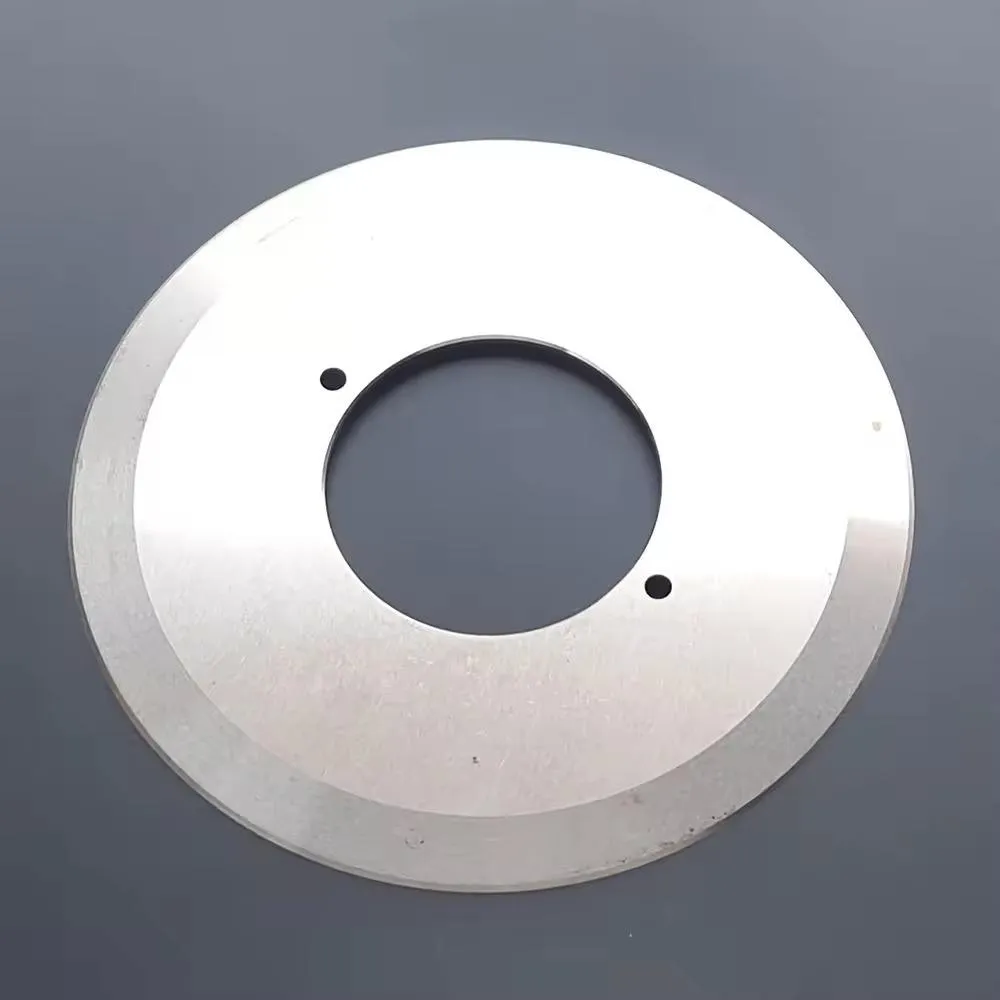
High-Precision Circular Slitting Knives
In thin-film, aluminum foil, and paper converting, an axial side-runout of just 0.003 mm creates edge burrs, lane drift, and severe roll telescoping. At high line speeds, these defects generate high scrap volumes and force frequent web stops. The root cause is almost always geometric: an arbor bore that is non-concentric with the cutting diameter or a side face that lacks true perpendicularity to the rotation axis.
Sharkcutting's slitting knives precision workflow eliminates this variance at the source. Each circular slitter undergoes outer diameter (OD) and side-face grinding in a single CNC setup to remove repositioning errors. Arbor bores are ground to H5 tolerance or tighter, guaranteeing a zero-play, stress-free fit on slitter arbors. Dynamic balancing on dedicated test spindles completes the process prior to final optical inspection.
- Runout control: Axial and radial TIR held to ≤ 0.003 mm across finished cutting edges
- Face flatness: Ground to ≤ 0.002 mm across full face width for uniform shear contact
- Edge finish: Ra ≤ 0.1 μm on cutting bevels to prevent micro-tearing on sensitive webs
- Materials processed: D2, SKH51, tungsten carbide, and powder-metallurgy tool steels
The outcome is a circular slitter that runs true at line speeds exceeding 400 m/min, produces clean shear edges without secondary deburring, and ensures uniform roll density. For high-speed flexible packaging converters, this level of slitting knife precision directly reduces web breaks and extends sharpen intervals.
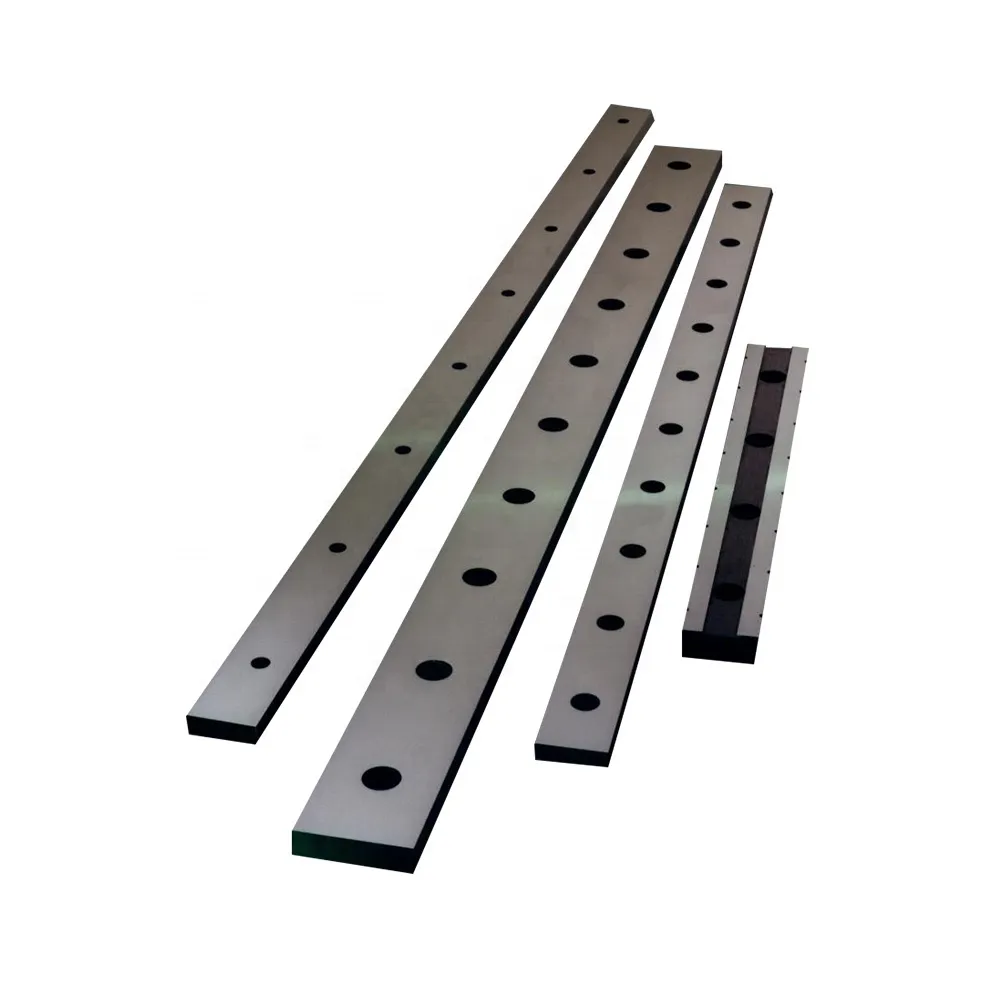
Heavy-Duty and Long Shear Blades
Long shear blades—engineered for guillotine shears, flying cut-offs, and heavy scrap alligator shears—face distinct physical challenges. Rather than rotational runout, key factors include long-span straightness, thickness uniformity, and thermal deflection during grinding. A 2-meter shear blade with a 0.05 mm thickness taper forces unequal shearing clearance, resulting in uneven wear, chatter marks, and premature edge breakdown.
Sharkcutting's industrial blade processing utilizes ultra-long gantry surface grinders capable of handling blades up to 4,500 mm in a single uninterrupted pass. Continuous flood cooling maintains thermal equilibrium across the entire workpiece, preventing post-grind bowing. In-process laser gauges track thickness every 200 mm, feeding real-time dynamic corrections back into the CNC system.
- Straightness: Maintained to ≤ 0.005 mm/m across full blade length post-grind
- Thickness tolerance: Held within ±0.01 mm end-to-end on blades up to 4,500 mm
- Clearance angle: Ground to ±0.1° for optimum shearing shear vectors and lower power load
- Bolt-hole patterns: CNC-bored to match OEM specifications within ±0.05 mm center distance
For steel service centers and heavy recycling yards, precision-ground shear blades significantly lower operating overhead. Maintaining exact clearance angles and flat datum surfaces minimizes shear frame stress, extends blade life, and prevents edge deformation during heavy-gauge plate cutting.
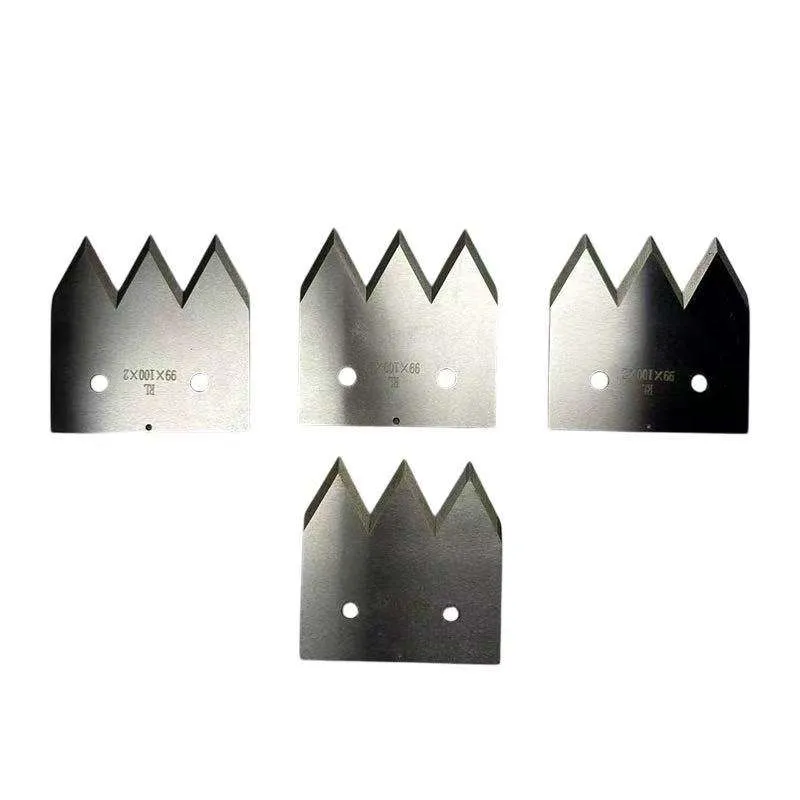
Custom Packaging and Non-Woven Blades
High-speed packaging and hygiene lines operate at 300 to 600 cycles per minute, demanding tight sealing gap tolerances measured in micrometers. Rotary dies, crimping anvils, and thermal cut-off knives must preserve exact land geometry across millions of impacts. Microscopic profile wear alters sealing pressure, resulting in leakers, unsealed pouches, and expensive batch rejections.
Our custom machine knife machining program addresses complex packaging profiles—such as micro-serrations, compound bevels, and narrow sealing lands—using multi-axis CNC grinding centers. Profiles are generated in a single clamping setup to maintain angular accuracy within ±0.05° on compound angles and profile tolerances to ±0.005 mm on heat-sealing contact surfaces.
- Profile tolerance: ±0.005 mm on sealing land width and height for uniform thermal distribution
- Serration geometry: CNC-profiled to ±0.01 mm pitch accuracy on perforating and crimping edges
- Surface finish: Ra ≤ 0.2 μm on contact faces to prevent film adhesion and resin buildup
- Coating integration: Pre-ground to precise net geometry before TiN, PVD, or DLC coating application
Leveraging extensive field experience in flexible packaging, non-woven conversion, and medical pouches, Sharkcutting customizes precision grinding workflows to match your specific web material and line speeds. The resulting blades ensure seal integrity across extended runs, enabling machine builders and convertors to achieve longer maintenance cycles and higher throughput.
In-Process Inspection and Real-Time Quality Assurance
Precision industrial machine knives manufacturing leaves zero margin for cumulative tolerance errors. Traditional quality protocols rely on post-production inspection, which only identifies dimensional defects after costly scrap has already been created. Sharkcutting integrates dynamic in-process inspection and active touch-probing directly into multi-axis CNC grinding loops. By measuring, compensating, and re-verifying workpieces while clamped on the spindle, our active machining quality control eliminates thermal and mechanical drift before blades ever leave the enclosure.
Three-Stage Closed-Loop In-Process Control Sequence
On-Machine Touch-Probe Setup and Surface Alignment
Prior to initial material removal, high-accuracy automated touch probes establish absolute reference coordinates relative to the machine spindle. This probing cycle maps raw stock geometry, calculates material allowance distributions, and compensates for clamping stress—eliminating baseline setup errors that typically compromise long-run blade uniformity.
- → Automatic zero-point orientation and datum verification before grinding
- → High-density surface probing to detect raw stock variance and camber
- → Pre-machining fixture error detection to prevent unmitigated clamping distortion
Real-Time Thermal and Deflection Compensation
High-stock-removal grinding cycles generate friction and localized thermal loads, inducing micro-expansion in steel substrates and minor spindle flex. CNC controllers continuously process telemetry from coolant temperature sensors and spindle load cells, automatically executing sub-micron offset corrections along motion axes to keep cut paths strictly on nominal target.
- → Continuous monitoring of grinding fluid delivery and localized temperature shifts
- → Automated micro-step axis offset adjustments performed dynamically during processing
- → Active spindle load tracking to prevent micro-chatter and tool flex deflection
In-Machine Laser Edge Profile & Micro-Geometry Scanning
Before releasing the blade from magnetic or mechanical workholding, a non-contact optical laser profiler scans the primary bevel, cutting edge radius, and land width. If micro-geometric deviations are identified relative to nominal CAD parameters, the system triggers an inline corrective pass to achieve exact specification without manual re-fixturing.
- → Non-contact 3D laser profiling of bevel angles, relief facets, and cutting radii
- → Direct CAD-to-part profile comparison executed inside the machining enclosure
- → Autonomous corrective regrind sequence initiated upon tolerance alert
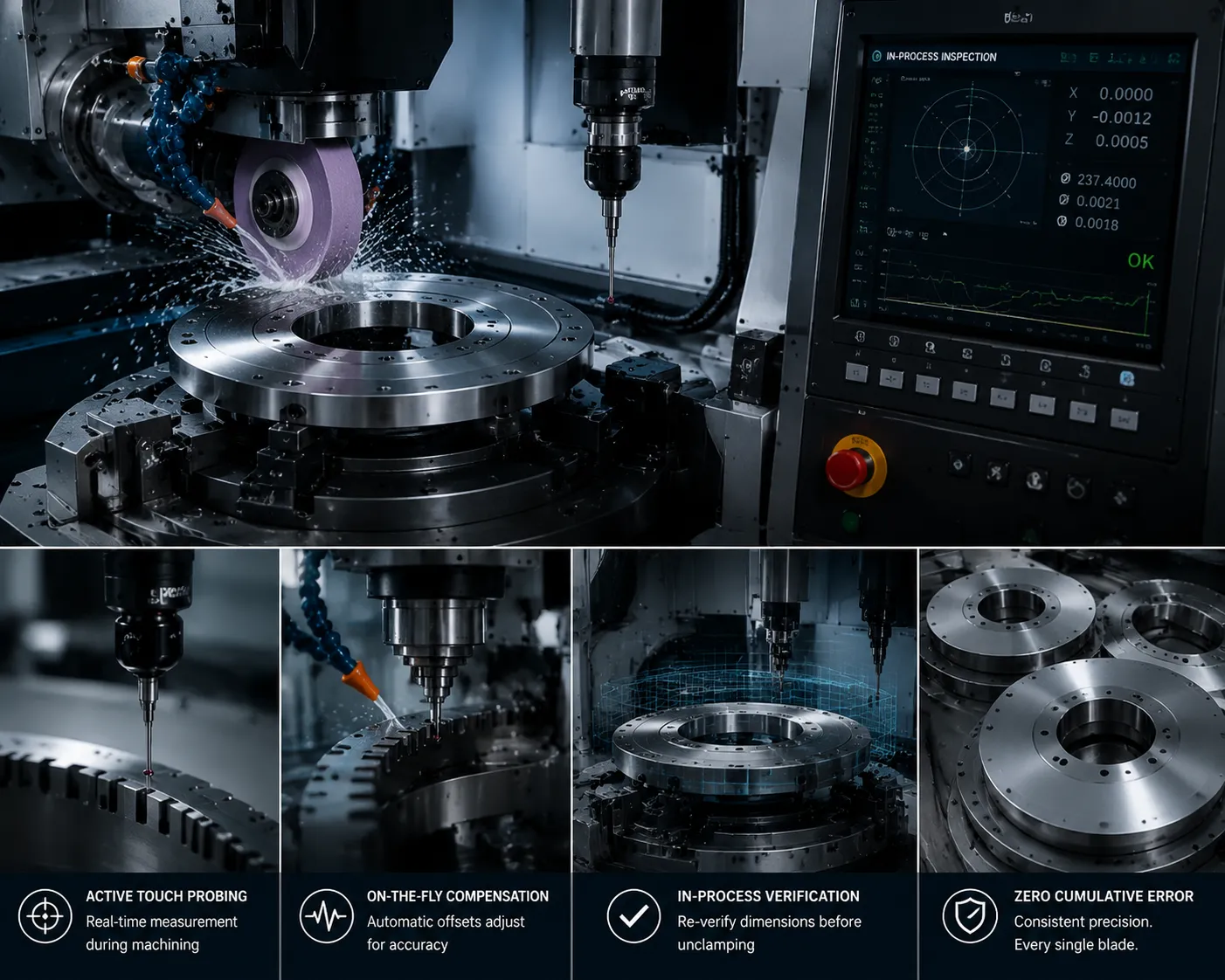
Why In-Process Inspection Outperforms Post-Production QC
Post-production quality checks catch non-conforming parts after machine time and raw materials have already been wasted. In-process probing prevents non-conformity at the point of origin. For high-performance industrial blades requiring micrometer accuracy, active in-line measurement is the single most reliable foundation for unyielding blade edge precision.
Industrial Blade Categories Covered by In-Process Probing
| Blade Category | Critical In-Process Parameter | Control Method |
|---|---|---|
| Circular Slitting Knives | Axial runout, radial concentricity, and parallelism | Spindle touch-probe + laser runout scan |
| Paper cutting knives & Shear Blades | Straightness and thickness uniformity over 4+ meters | Thermal drift tracking + multi-point touch probing |
| Rotary Packaging & Heat-Seal Dies | Bevel micro-angle, land width, and edge radius | In-machine non-contact laser profiling |
| Solid Carbide Granulator Blades | Micro-chipping prevention and sharpness consistency | Combined 3-stage closed-loop probing sequence |
The Engineering Case for Active In-Process Probing
Precision blade grinding operates within tight, micrometer-level tolerance bands. Environmental shifts—such as coolant fluid temperature surges, wheel wear, or thermal expansion in tool steel blanks—can easily push critical dimensions out of specification. Relying solely on off-machine coordinate measuring machines (CMM) or post-grinding quality checks forces manufacturers to accept scrap, costly rework, and delivery bottlenecks as standard operating risks.
Sharkcutting mitigates these risks by turning CNC grinding centers into self-correcting closed-loop manufacturing cells. By probing workpieces, calculating thermal growth, and executing sub-micron axis offsets in real time, our automated systems maintain strict machining quality control across every stage of production. Every cutting bevel is validated against design nominals while still locked to the machine spindle.
For OEM clients, plant managers, and industrial procurement leaders, this closed-loop methodology delivers direct operational value: lower receiving inspection costs, zero batch-level tolerance escapes, and consistent batch-to-batch repeatability across high-volume replacement orders.
Supporting Custom Specifications & Traceability
When clients submit custom CAD files, unique bevel geometries, or strict tolerance callouts, those parameters are loaded directly into the in-process control architecture. Before initial metal removal begins, touch-probe calibration cycles verify that raw material stock allowances are sufficient to yield the exact geometric profile, eliminating material waste early in the cycle.
Thermal expansion properties vary widely across industrial tool materials—ranging from high-carbon D2 and M2 high-speed steel to tungsten carbide alloys. Our CNC control system applies material-specific compensation algorithms calibrated to each alloy's exact metallurgical response during aggressive grinding passes. Laser profiling confirms that complex bevel angles and edge radii match engineering drawings down to micrometer tolerances.
Furthermore, every probing cycle and laser scan generates digital telemetry linked directly to the production lot record. This provides transparent dimensional traceability, supporting rigorous incoming audits and compliance requirements for converting, high-precision packaging machine knives, metal processing, and recycling sectors.